
Andere Kunden interessierten sich auch für
 Linguistic Landscape in the City Hb147,99 €
 Language, Ideology and Sociopolitical Change in the Arabic-Speaking World138,99 €
 Same-Sex Marriage, Context, and Lesbian Identity56,99 €
 Speaking My Soul122,99 €
 Aspiring to Be Global132,99 €
 Language Learning, Gender and Desire133,99 €
 Conceptualizing Racism109,99 €



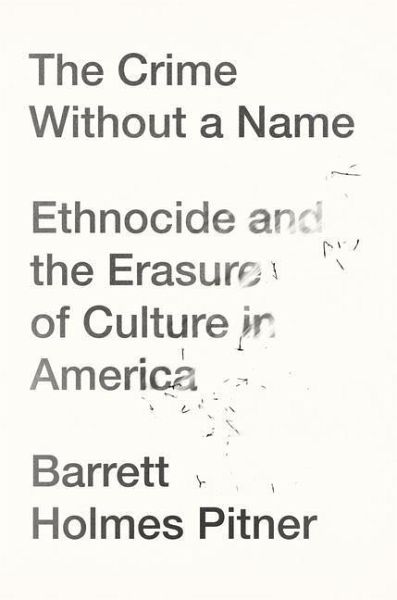
"In this incisive blend of personal narrative and deep philosophical and linguistic inquiry, journalist, filmmaker, and activist Barrett Holmes Pitner identifies a linguistic void in how we discuss race and culture in the United States. "Ethnocide," first coined in 1944 by Jewish exile Raphael Lemkin (who also coined the term genocide), describes the systemic erasure of a people's ancestral culture. Dating back to the cross-Atlantic slave trade and reaching new resonance under Donald Trump, Black Americans have endured this atrocity for generations. The Crime Without a Name guides readers through the historical origins of ethnocide in the United States, while examining the personal, lived consequences of existing within an ongoing erasure. Just as the concept of genocide radically reshaped our perception of human rights in the 20th century, reframing our discussions about race and culture in terms of ethnocide can change the way we think about our diverse and rapidly evolving racial and political climate in a time of increased visibility around police brutality and systemic racism, as well as the significance and necessity of the Black vote in American politics"--