
Andere Kunden interessierten sich auch für
 The Invisible Man by H. G. Wells, Fiction, Classics, Science Fiction16,99 €
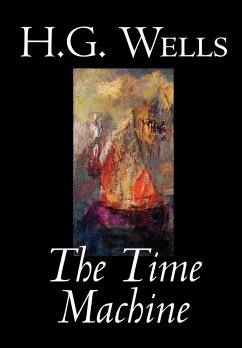
 The Time Machine by H. G. Wells, Fiction, Classics13,99 €
 Ann Veronica by H. G. Wells, Science Fiction, Classics, Literary18,99 €
 When the Sleeper Wakes by H. G. Wells, Science Fiction, Classics, Literary16,99 €
 The Country of the Blind and Other Stories by H. G. Wells, Science Fiction, Classics, Short Stories37,99 €
 The Time Machine by H. G. Wells, Fiction, Classics28,99 €
 The Outline of H. G. Wells, the Superman in the Street30,99 €


From "The Crystal Egg": There was, until a year ago, a little and very grimy-looking shop near Seven Dials over which, in weather-worn yellow lettering, the name of "C. Cave, Naturalist and Dealer in Antiquities," was inscribed. The contents of its window were curiously variegated. They comprised some elephant tusks and an imperfect set of chessmen, beads and weapons, a box of eyes, two skulls of tigers and one human, several moth-eaten stuffed monkeys (one holding a lamp), an old-fashioned cabinet, a flyblown ostrich egg or so, some fishing-tackle, and an extraordinarily dirty, empty glass fish tank. There was also, at the moment the story begins, a mass of crystal, worked into the shape of an egg and brilliantly polished. The clergyman, without any ceremony, asked the price of the crystal egg. "Five pounds is my price," said Mr. Cave, with a quiver in his voice.