
133,99 €
inkl. MwSt.
Versandkostenfrei*Erscheint vorauss. 22. April 2026
Melden Sie sich
hier
hier
für den Produktalarm an, um über die Verfügbarkeit des Produkts informiert zu werden.

67 °P sammeln
Andere Kunden interessierten sich auch für
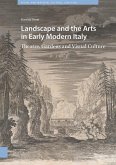
 Landscape and the Arts in Early Modern Italy100,99 €
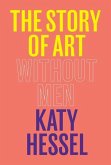
 The Story of Art Without Men33,99 €
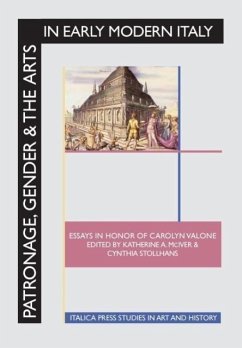
 Patronage, Gender and the Arts in Early Modern Italy90,99 €
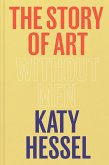
 The Story of Art without Men26,99 €
") The Art of Anna Dorothea Therbusch (1721-1782)97,99 €
The Art of Anna Dorothea Therbusch (1721-1782)97,99 € The Dissemination of Saint George in Early Modern Art166,99 €
 The Art of Popeye46,99 €


The Cultural Work of the Early Modern Portrait examines how portraits of Amalia van Solms, Princess of Orange (1602-1675), functioned as active cultural agents that connected people across time and space, participating in domestic, national, and international politics throughout the 17th century. This interdisciplinary study reveals how portraits served as powerful tools beyond mere facial records, actively negotiating relationships, building bridges, engendering communities, soothing egos, evoking memories, and constructing fame. Through engaging with gender studies, collecting and display history, Dutch art history, architectural history, and reception theory, the book challenges assumptions about what portraits accomplished, for whom, and in what spaces. By focusing on Amalia van Solms as a case study, readers gain insights into how portraits functioned as links in larger social chains and discover the sophisticated cultural work these images performed. The study promotes a collaborative, interdisciplinary approach that clarifies early modern women's contributions to seventeenth-century art, architecture, and politics while revealing the remarkable capacity of portraits to shape social and political landscapes. This book will appeal to scholars and students in art history, Dutch Golden Age studies, gender studies, and early modern European history. It serves as an essential resource for researchers interested in portraiture, material culture, women's history, and interdisciplinary approaches to visual culture. The work will also engage museum professionals, curators, and anyone fascinated by the intersection of art, politics, and social networks in the early modern period.