
Andere Kunden interessierten sich auch für
 The São Paulo Neo-Avant-Garde49,99 €
 Avant-Garde45,00 €
 Polish Avant-Garde in Berlin71,30 €
 Feminist Avant-Garde - enlarged and revised edition69,00 €
 1920s Avant-Garde19,95 €
 The Hungarian Avant-Garde and Socialism116,99 €
 Nouveau Réalisme, 1960s France, and the Neo-avant-garde177,99 €





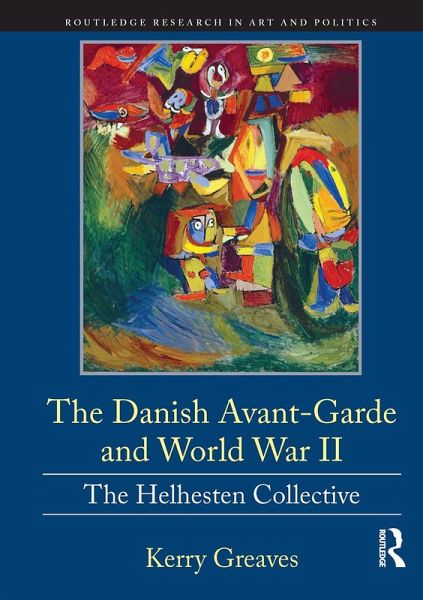
This is the first book to focus on Helhesten (The Hell-Horse), an avant-garde artists' collective active during the Nazi occupation of Denmark and one of the few tangible connections between radical European art groups from the 1920s to the 1960s. The Danes' deliberately unskilled painterly abstraction, embrace of the tradition of dansk folkelighed (the popular) and its iterations of egalitarianism and consensus reform, called for the political relevance of art and interrogated the ideologies underlying culture itself. The group's cultural activism presents an alternative trajectory of continuity, which challenges the customary view of World War II as a moment of artistic rupture.
"This work complicates histories of resistance activity under National Socialist occupation both in Denmark and in general through its nuanced reading of the ideology, publishing activities, and exhibition practices of the artists' collective Helhesten. Dr. Greaves illuminates the group's brilliant and strategic uses of Danish history, symbolism, and values, as well as the cultural aesthetics of the Nazi occupiers, in their cultural work between 1941 and 1945."
--Patricia G. Berman, Wellesley College
--Patricia G. Berman, Wellesley College