
Andere Kunden interessierten sich auch für
 I Call to You from Time29,99 €
 Live Ugly20,99 €
 Last Call25,99 €
 What Do You Think About?23,99 €
 The Spirit's Call24,99 €
 The Spirit's Call36,99 €
 The Pain We Call Love28,99 €




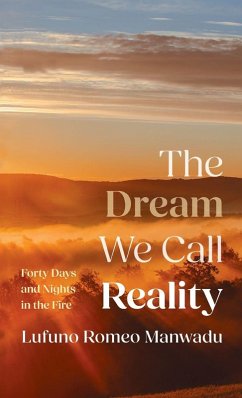
The Dream We Call Reality is a mix of forty sacred poems plus five of God's favor--a sum of forty-five mystical, existential, and divinely inspired poems. In this debut collection, Lufuno Romeo Manwadu speaks directly to the inner self, shifting the focus from fleeting material illusions to the stillness of the inner voice. These are not poems for mere entertainment, but verses woven with insight, warning, and revelation. Manwadu's work pulses with divine urgency and poetic fire--addressing themes of spiritual awakening, human worth, blessings and curses, divine rights, and the subtle laws that govern the soul's ascent. Each piece is a mirror, calling the reader to wake up from the slumber of confusion and remember who they are in God's eyes. Filled with rhythm, rhyme, and holy flame, it is both initiation and invitation--a journey toward enlightenment, alignment with nature, and reconnection with purpose. It is a poetic threshold. This book is a cry from the deep, a spark of curiosity, a trigger of hope, and a call to higher love. It reminds us that until we awaken to the truth of our divine identity, we remain asleep--living in the dream we call reality.