
Andere Kunden interessierten sich auch für
 The Campus Rape Frenzy21,99 €
 Sure Pop and the Safety Scouts28,99 €
 Ethics and Inclusive Education83,99 €
 Ethics and Inclusive Education117,69 €
 European Higher Education, Social Responsibility, and the Local Democratic Mission98,99 €
 Moral Education and the Ethics of Self-Cultivation106,99 €
 Educational Facilities36,99 €




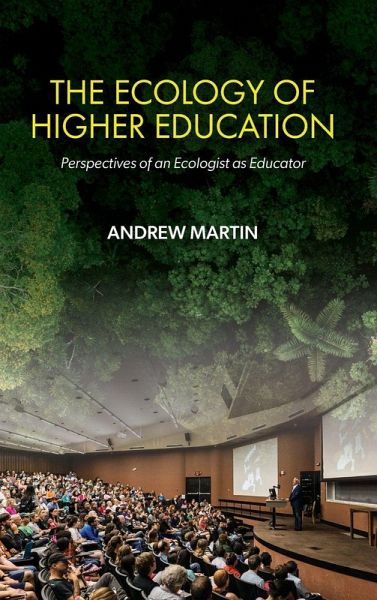
Shows how ecological models of change can be applied to education. Higher education needs to change, and it is already changing as a consequence of technology and the implementation of tools from artificial intelligence. There are natural processes of change that have been happening since the beginning of life on Earth, including ecological and evolutionary change. This book explores the value of adapting these processes to education, to show convincingly that educators have much to learn from paying attention to the emergent processes of ecology. Through examples that span a scale from individuals to communities, it provides examples and perspectives that can help change our thinking and enact practices that can enable all students to achieve greatness. Rather than directing education toward specific objectives, ecology shows that we can support students on unique educational journeys through an emphasis on student-centeredness, collaborative interactions, and building communities of people and ideas in the minds of students.