
- Gebundenes Buch
- Merkliste
- Auf die Merkliste
- Bewerten Bewerten
- Teilen
- Produkt teilen
- Produkterinnerung
- Produkterinnerung
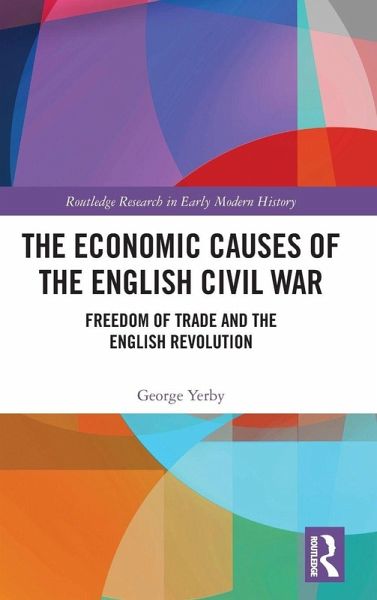
This book substantiates the link between economic motivations and the political revolution of the mid seventeenth century.
Andere Kunden interessierten sich auch für
 G. M. TrevelyanEngland Under the Stuarts160,99 €
 Lawrence StoneThe Causes of the English Revolution 1529-164255,99 €
 Martyn BennettThe English Civil War 1640-1649169,99 €
 Ann HughesGender and the English Revolution167,99 €
 Trevor BurnardBritain in the Wider World168,99 €
 Peter GauntThe British Wars, 1637-1651169,99 €
 Pierre GoubertThe Course of French History168,99 €
-
-
-







This book substantiates the link between economic motivations and the political revolution of the mid seventeenth century.
Produktdetails
- Produktdetails
- Verlag: Routledge
- Seitenzahl: 434
- Erscheinungstermin: 5. September 2019
- Englisch
- Abmessung: 235mm x 157mm x 28mm
- Gewicht: 776g
- ISBN-13: 9780367189235
- ISBN-10: 0367189232
- Artikelnr.: 57733235
- Herstellerkennzeichnung
- Libri GmbH
- Europaallee 1
- 36244 Bad Hersfeld
- gpsr@libri.de
- Verlag: Routledge
- Seitenzahl: 434
- Erscheinungstermin: 5. September 2019
- Englisch
- Abmessung: 235mm x 157mm x 28mm
- Gewicht: 776g
- ISBN-13: 9780367189235
- ISBN-10: 0367189232
- Artikelnr.: 57733235
- Herstellerkennzeichnung
- Libri GmbH
- Europaallee 1
- 36244 Bad Hersfeld
- gpsr@libri.de
George Yerby took his degree at Birkbeck College, London University in 1986, and has since worked as an historical researcher. He specialises in the economic and political history of the sixteenth and seventeenth centuries. He is the author of People and Parliament: Representative Rights and the English Revolution, published in 2008, and The English Revolution and the Roots of Environmental Change, published in 2016.
Introduction: Recovering the Economic Context of History 1. The Basis of
Change: The Early Breach of the Manorial Stasis in England; the Coming of
the Commercial Yeoman Farmer; and the Increase of Opportunity-"The
Exceeding Lucre They See Grow" 2. Dynamics of Change: The New Shape of
Interregional Trading; the Mutual Benefits of Specialisation and Exchange;
and the Growth of a National Land Market 3. The Structures of Change: The
Displacement of the Open Patterns of Occupation on the Common Lands; the
Timing and Effects of Enclosure; the Significance of Consolidation Without
Enclosure 4. New Patterns of Work: From Smallholders to Wage Labourers; and
the Role of Industrial Activity in Undermining the Commons 5. The Higher
Profile of Architectural Form 6. A Changing Ethos: From Conditional to
Absolute Property; the Rise of Individualism and a Self-Sustaining Market;
and the Growing Demand for a Right of Freedom of Trade from Arbitrary
Restraints 7. Economic Roots of Political Change: The Merchant-Gentry
Alliance Against Prerogative Customs Dues; the Central, Long-Term Challenge
to the Crown-"To Have a Certainty" 8. New Definitions of Good Government:
"Parliament" versus "Patent"; the Opposition to Monopolies; Freedom of
Trade as the Economic Policy of the Commons; and the Unsatisfied Demand for
Parliamentary Legislation 9. Economic Aims of Parliament's Foreign Policy:
Elizabeth I as the Embodiment of the National Enterprise; the Dynastic
Preference of James I for the National Enemy 10. The Religious War of
Charles I Against His Scottish Kingdom; and the People of England "Left Now
Only to Expect an Opportunity" 11. The First Revolutionary Measure of the
Long Parliament: The Triennial Act of February 1641-a "Course as May Not Be
Eluded"; and the Relevance of the Rise of the Gentry 12. The Triumph of
Freedom of Trade: The Throwing Down of Monopolies; and the Ending of
Prerogative Customs Dues 13. The Support of the Middle Sort: Parliament's
Broad Base of Allegiance Among the Substantial Freeholders and the
Merchants and Traders in the Commercial Centres-"Which Said Order Is
Remaining in the Town Chest" 14. Commercial, Political and Religious
Connections in Parliament's West Nottinghamshire Heartland: "To Know a Law
and Have a Certainty" 15. A Middle Sort of Aristocracy: William Pierrepont
and the Course of the English Revolution 16. The Socio-Economic Limits of
the Revolution: Parliament, the People and the Poor; and on Whose Side Were
the Levellers? 17. The Economy of the State: The First Fully Capitalist
Society
Change: The Early Breach of the Manorial Stasis in England; the Coming of
the Commercial Yeoman Farmer; and the Increase of Opportunity-"The
Exceeding Lucre They See Grow" 2. Dynamics of Change: The New Shape of
Interregional Trading; the Mutual Benefits of Specialisation and Exchange;
and the Growth of a National Land Market 3. The Structures of Change: The
Displacement of the Open Patterns of Occupation on the Common Lands; the
Timing and Effects of Enclosure; the Significance of Consolidation Without
Enclosure 4. New Patterns of Work: From Smallholders to Wage Labourers; and
the Role of Industrial Activity in Undermining the Commons 5. The Higher
Profile of Architectural Form 6. A Changing Ethos: From Conditional to
Absolute Property; the Rise of Individualism and a Self-Sustaining Market;
and the Growing Demand for a Right of Freedom of Trade from Arbitrary
Restraints 7. Economic Roots of Political Change: The Merchant-Gentry
Alliance Against Prerogative Customs Dues; the Central, Long-Term Challenge
to the Crown-"To Have a Certainty" 8. New Definitions of Good Government:
"Parliament" versus "Patent"; the Opposition to Monopolies; Freedom of
Trade as the Economic Policy of the Commons; and the Unsatisfied Demand for
Parliamentary Legislation 9. Economic Aims of Parliament's Foreign Policy:
Elizabeth I as the Embodiment of the National Enterprise; the Dynastic
Preference of James I for the National Enemy 10. The Religious War of
Charles I Against His Scottish Kingdom; and the People of England "Left Now
Only to Expect an Opportunity" 11. The First Revolutionary Measure of the
Long Parliament: The Triennial Act of February 1641-a "Course as May Not Be
Eluded"; and the Relevance of the Rise of the Gentry 12. The Triumph of
Freedom of Trade: The Throwing Down of Monopolies; and the Ending of
Prerogative Customs Dues 13. The Support of the Middle Sort: Parliament's
Broad Base of Allegiance Among the Substantial Freeholders and the
Merchants and Traders in the Commercial Centres-"Which Said Order Is
Remaining in the Town Chest" 14. Commercial, Political and Religious
Connections in Parliament's West Nottinghamshire Heartland: "To Know a Law
and Have a Certainty" 15. A Middle Sort of Aristocracy: William Pierrepont
and the Course of the English Revolution 16. The Socio-Economic Limits of
the Revolution: Parliament, the People and the Poor; and on Whose Side Were
the Levellers? 17. The Economy of the State: The First Fully Capitalist
Society
Introduction: Recovering the Economic Context of History 1. The Basis of Change: The Early Breach of the Manorial Stasis in England; the Coming of the Commercial Yeoman Farmer; and the Increase of Opportunity-"The Exceeding Lucre They See Grow" 2. Dynamics of Change: The New Shape of Interregional Trading; the Mutual Benefits of Specialisation and Exchange; and the Growth of a National Land Market 3. The Structures of Change: The Displacement of the Open Patterns of Occupation on the Common Lands; the Timing and Effects of Enclosure; the Significance of Consolidation Without Enclosure 4. New Patterns of Work: From Smallholders to Wage Labourers; and the Role of Industrial Activity in Undermining the Commons 5. The Higher Profile of Architectural Form 6. A Changing Ethos: From Conditional to Absolute Property; the Rise of Individualism and a Self-Sustaining Market; and the Growing Demand for a Right of Freedom of Trade from Arbitrary Restraints 7. Economic Roots of Political Change: The Merchant-Gentry Alliance Against Prerogative Customs Dues; the Central, Long-Term Challenge to the Crown-"To Have a Certainty" 8. New Definitions of Good Government: "Parliament" versus "Patent"; the Opposition to Monopolies; Freedom of Trade as the Economic Policy of the Commons; and the Unsatisfied Demand for Parliamentary Legislation 9. Economic Aims of Parliament's Foreign Policy: Elizabeth I as the Embodiment of the National Enterprise; the Dynastic Preference of James I for the National Enemy 10. The Religious War of Charles I Against His Scottish Kingdom; and the People of England "Left Now Only to Expect an Opportunity" 11. The First Revolutionary Measure of the Long Parliament: The Triennial Act of February 1641-a "Course as May Not Be Eluded"; and the Relevance of the Rise of the Gentry 12. The Triumph of Freedom of Trade: The Throwing Down of Monopolies; and the Ending of Prerogative Customs Dues 13. The Support of the Middle Sort: Parliament's Broad Base of Allegiance Among the Substantial Freeholders and the Merchants and Traders in the Commercial Centres-"Which Said Order Is Remaining in the Town Chest" 14. Commercial, Political and Religious Connections in Parliament's West Nottinghamshire Heartland: "To Know a Law and Have a Certainty" 15. A Middle Sort of Aristocracy: William Pierrepont and the Course of the English Revolution 16. The Socio-Economic Limits of the Revolution: Parliament, the People and the Poor; and on Whose Side Were the Levellers? 17. The Economy of the State: The First Fully Capitalist Society
Introduction: Recovering the Economic Context of History 1. The Basis of
Change: The Early Breach of the Manorial Stasis in England; the Coming of
the Commercial Yeoman Farmer; and the Increase of Opportunity-"The
Exceeding Lucre They See Grow" 2. Dynamics of Change: The New Shape of
Interregional Trading; the Mutual Benefits of Specialisation and Exchange;
and the Growth of a National Land Market 3. The Structures of Change: The
Displacement of the Open Patterns of Occupation on the Common Lands; the
Timing and Effects of Enclosure; the Significance of Consolidation Without
Enclosure 4. New Patterns of Work: From Smallholders to Wage Labourers; and
the Role of Industrial Activity in Undermining the Commons 5. The Higher
Profile of Architectural Form 6. A Changing Ethos: From Conditional to
Absolute Property; the Rise of Individualism and a Self-Sustaining Market;
and the Growing Demand for a Right of Freedom of Trade from Arbitrary
Restraints 7. Economic Roots of Political Change: The Merchant-Gentry
Alliance Against Prerogative Customs Dues; the Central, Long-Term Challenge
to the Crown-"To Have a Certainty" 8. New Definitions of Good Government:
"Parliament" versus "Patent"; the Opposition to Monopolies; Freedom of
Trade as the Economic Policy of the Commons; and the Unsatisfied Demand for
Parliamentary Legislation 9. Economic Aims of Parliament's Foreign Policy:
Elizabeth I as the Embodiment of the National Enterprise; the Dynastic
Preference of James I for the National Enemy 10. The Religious War of
Charles I Against His Scottish Kingdom; and the People of England "Left Now
Only to Expect an Opportunity" 11. The First Revolutionary Measure of the
Long Parliament: The Triennial Act of February 1641-a "Course as May Not Be
Eluded"; and the Relevance of the Rise of the Gentry 12. The Triumph of
Freedom of Trade: The Throwing Down of Monopolies; and the Ending of
Prerogative Customs Dues 13. The Support of the Middle Sort: Parliament's
Broad Base of Allegiance Among the Substantial Freeholders and the
Merchants and Traders in the Commercial Centres-"Which Said Order Is
Remaining in the Town Chest" 14. Commercial, Political and Religious
Connections in Parliament's West Nottinghamshire Heartland: "To Know a Law
and Have a Certainty" 15. A Middle Sort of Aristocracy: William Pierrepont
and the Course of the English Revolution 16. The Socio-Economic Limits of
the Revolution: Parliament, the People and the Poor; and on Whose Side Were
the Levellers? 17. The Economy of the State: The First Fully Capitalist
Society
Change: The Early Breach of the Manorial Stasis in England; the Coming of
the Commercial Yeoman Farmer; and the Increase of Opportunity-"The
Exceeding Lucre They See Grow" 2. Dynamics of Change: The New Shape of
Interregional Trading; the Mutual Benefits of Specialisation and Exchange;
and the Growth of a National Land Market 3. The Structures of Change: The
Displacement of the Open Patterns of Occupation on the Common Lands; the
Timing and Effects of Enclosure; the Significance of Consolidation Without
Enclosure 4. New Patterns of Work: From Smallholders to Wage Labourers; and
the Role of Industrial Activity in Undermining the Commons 5. The Higher
Profile of Architectural Form 6. A Changing Ethos: From Conditional to
Absolute Property; the Rise of Individualism and a Self-Sustaining Market;
and the Growing Demand for a Right of Freedom of Trade from Arbitrary
Restraints 7. Economic Roots of Political Change: The Merchant-Gentry
Alliance Against Prerogative Customs Dues; the Central, Long-Term Challenge
to the Crown-"To Have a Certainty" 8. New Definitions of Good Government:
"Parliament" versus "Patent"; the Opposition to Monopolies; Freedom of
Trade as the Economic Policy of the Commons; and the Unsatisfied Demand for
Parliamentary Legislation 9. Economic Aims of Parliament's Foreign Policy:
Elizabeth I as the Embodiment of the National Enterprise; the Dynastic
Preference of James I for the National Enemy 10. The Religious War of
Charles I Against His Scottish Kingdom; and the People of England "Left Now
Only to Expect an Opportunity" 11. The First Revolutionary Measure of the
Long Parliament: The Triennial Act of February 1641-a "Course as May Not Be
Eluded"; and the Relevance of the Rise of the Gentry 12. The Triumph of
Freedom of Trade: The Throwing Down of Monopolies; and the Ending of
Prerogative Customs Dues 13. The Support of the Middle Sort: Parliament's
Broad Base of Allegiance Among the Substantial Freeholders and the
Merchants and Traders in the Commercial Centres-"Which Said Order Is
Remaining in the Town Chest" 14. Commercial, Political and Religious
Connections in Parliament's West Nottinghamshire Heartland: "To Know a Law
and Have a Certainty" 15. A Middle Sort of Aristocracy: William Pierrepont
and the Course of the English Revolution 16. The Socio-Economic Limits of
the Revolution: Parliament, the People and the Poor; and on Whose Side Were
the Levellers? 17. The Economy of the State: The First Fully Capitalist
Society
Introduction: Recovering the Economic Context of History 1. The Basis of Change: The Early Breach of the Manorial Stasis in England; the Coming of the Commercial Yeoman Farmer; and the Increase of Opportunity-"The Exceeding Lucre They See Grow" 2. Dynamics of Change: The New Shape of Interregional Trading; the Mutual Benefits of Specialisation and Exchange; and the Growth of a National Land Market 3. The Structures of Change: The Displacement of the Open Patterns of Occupation on the Common Lands; the Timing and Effects of Enclosure; the Significance of Consolidation Without Enclosure 4. New Patterns of Work: From Smallholders to Wage Labourers; and the Role of Industrial Activity in Undermining the Commons 5. The Higher Profile of Architectural Form 6. A Changing Ethos: From Conditional to Absolute Property; the Rise of Individualism and a Self-Sustaining Market; and the Growing Demand for a Right of Freedom of Trade from Arbitrary Restraints 7. Economic Roots of Political Change: The Merchant-Gentry Alliance Against Prerogative Customs Dues; the Central, Long-Term Challenge to the Crown-"To Have a Certainty" 8. New Definitions of Good Government: "Parliament" versus "Patent"; the Opposition to Monopolies; Freedom of Trade as the Economic Policy of the Commons; and the Unsatisfied Demand for Parliamentary Legislation 9. Economic Aims of Parliament's Foreign Policy: Elizabeth I as the Embodiment of the National Enterprise; the Dynastic Preference of James I for the National Enemy 10. The Religious War of Charles I Against His Scottish Kingdom; and the People of England "Left Now Only to Expect an Opportunity" 11. The First Revolutionary Measure of the Long Parliament: The Triennial Act of February 1641-a "Course as May Not Be Eluded"; and the Relevance of the Rise of the Gentry 12. The Triumph of Freedom of Trade: The Throwing Down of Monopolies; and the Ending of Prerogative Customs Dues 13. The Support of the Middle Sort: Parliament's Broad Base of Allegiance Among the Substantial Freeholders and the Merchants and Traders in the Commercial Centres-"Which Said Order Is Remaining in the Town Chest" 14. Commercial, Political and Religious Connections in Parliament's West Nottinghamshire Heartland: "To Know a Law and Have a Certainty" 15. A Middle Sort of Aristocracy: William Pierrepont and the Course of the English Revolution 16. The Socio-Economic Limits of the Revolution: Parliament, the People and the Poor; and on Whose Side Were the Levellers? 17. The Economy of the State: The First Fully Capitalist Society