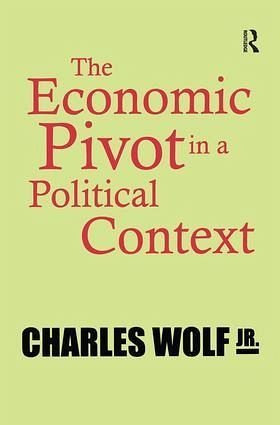
The Economic Pivot in a Political Context
Herausgeber: Wolf, Jr.
The Economic Pivot in a Political Context
Herausgeber: Wolf, Jr.
- Broschiertes Buch
- Merkliste
- Auf die Merkliste
- Bewerten Bewerten
- Teilen
- Produkt teilen
- Produkterinnerung
- Produkterinnerung
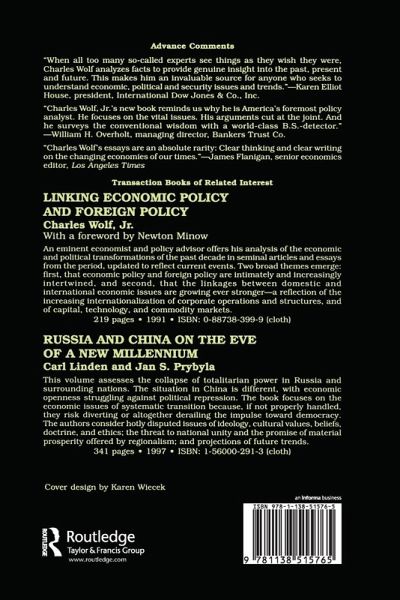
When all too many so-called experts see things as they wish they were, Charles Wolf analyze facts to provide genuine insights into the past, present and future
Andere Kunden interessierten sich auch für
Turkey's Pivot to Eurasia55,99 €
Politics and the Internet in Comparative Context55,99 €
Betty HorwitzLatin America and the Caribbean in the Global Context62,99 €
Kaitlyn RentalaThe Public Sector Pivot15,99 €
Adam QuinnUS Foreign Policy in Context69,99 €
John HaskellCongress in Context68,99 €
Robert G. MoserElectoral Systems and Political Context39,99 €-
-
-
When all too many so-called experts see things as they wish they were, Charles Wolf analyze facts to provide genuine insights into the past, present and future
Produktdetails
- Produktdetails
- Verlag: Routledge
- Seitenzahl: 234
- Erscheinungstermin: 9. Februar 2018
- Englisch
- Abmessung: 229mm x 152mm x 13mm
- Gewicht: 346g
- ISBN-13: 9781138515765
- ISBN-10: 1138515760
- Artikelnr.: 57042826
- Herstellerkennzeichnung
- Libri GmbH
- Europaallee 1
- 36244 Bad Hersfeld
- gpsr@libri.de
- Verlag: Routledge
- Seitenzahl: 234
- Erscheinungstermin: 9. Februar 2018
- Englisch
- Abmessung: 229mm x 152mm x 13mm
- Gewicht: 346g
- ISBN-13: 9781138515765
- ISBN-10: 1138515760
- Artikelnr.: 57042826
- Herstellerkennzeichnung
- Libri GmbH
- Europaallee 1
- 36244 Bad Hersfeld
- gpsr@libri.de
Jr. Wolf
I: Economic Forecasts and the Changing Global Economy
1: Nonaccountability Among the Experts
2: The Ebb of Neo-Mercantilism
3: Pitfalls of Public Policy: Strategic Trade Policy and Industrial Policy
4: Glib Rhetoric, Loose Thinking
5: Taxes, Trade, and Growth
6: Global Competition for Long-Term Capital: Who Will Win?
7: What's Behind the Weak Dollar?
8: Who Really Needs a Country Anymore?
9: Why Asia Will Matter More Than Europe
10: Clintonomics versus Reaganomics
11: Social Capital and Economic Performance
12: "Downsizing," Corporate Responsibility, and the Trade-Off Between Efficiency and Equity
II: Economic Power and Military Power
13: Competing Priorities in the Post-Cold War Era
14: Military Power, Economic Power, and a Less Disorderly World
15: Economics and Security in Central Europe
16: Economic Instruments, Military Instruments, and National Power
17: Arms, Trade, and a Less Disorderly World
18: Gun Control at Home, Decontrol Abroad
19: Nixon's View of the World
20: Where the Disorderly World is Heading
III: The Economies of Japan and China
21: Dissecting the Japanese Problem with "Occam's Razor"
22: Resuming the Protracted U.S.-Japan Economic Debate
23: Clearing the Fog Over U.S.-Japan Economic Relations
24: The Strong Yen of a Weakened Economy
25: Sense and Nonsense About Dealing with Japan
26: China's Enlarged Economy
27: Asia's Rise Will Advance U.S. Prosperity
28: The United States and Japan: "Revisionism" Revisited
29: Rivalry and Disputes Among the Big Three
IV: Transforming the Russian and Ukrainian Economies
30: Transforming Command Economies into Market Economies: Problems, Solutions, Obstacles
31: The Ingredients of Transforming Command Economies
32: Democracy and Free Markets
33: Some Hopeful Signs amidst the Commonwealth's Economic Travails
34: Limited Optimism Rather Than Boundless Pessimism About the Russian Economy
35: Two are Better Than One
36: The Question of Soviet Aid
37: Aiding Russia and Ukraine
38: To Privatize, Randomize
39: Swapping Debt for Equity in Russia
1: Nonaccountability Among the Experts
2: The Ebb of Neo-Mercantilism
3: Pitfalls of Public Policy: Strategic Trade Policy and Industrial Policy
4: Glib Rhetoric, Loose Thinking
5: Taxes, Trade, and Growth
6: Global Competition for Long-Term Capital: Who Will Win?
7: What's Behind the Weak Dollar?
8: Who Really Needs a Country Anymore?
9: Why Asia Will Matter More Than Europe
10: Clintonomics versus Reaganomics
11: Social Capital and Economic Performance
12: "Downsizing," Corporate Responsibility, and the Trade-Off Between Efficiency and Equity
II: Economic Power and Military Power
13: Competing Priorities in the Post-Cold War Era
14: Military Power, Economic Power, and a Less Disorderly World
15: Economics and Security in Central Europe
16: Economic Instruments, Military Instruments, and National Power
17: Arms, Trade, and a Less Disorderly World
18: Gun Control at Home, Decontrol Abroad
19: Nixon's View of the World
20: Where the Disorderly World is Heading
III: The Economies of Japan and China
21: Dissecting the Japanese Problem with "Occam's Razor"
22: Resuming the Protracted U.S.-Japan Economic Debate
23: Clearing the Fog Over U.S.-Japan Economic Relations
24: The Strong Yen of a Weakened Economy
25: Sense and Nonsense About Dealing with Japan
26: China's Enlarged Economy
27: Asia's Rise Will Advance U.S. Prosperity
28: The United States and Japan: "Revisionism" Revisited
29: Rivalry and Disputes Among the Big Three
IV: Transforming the Russian and Ukrainian Economies
30: Transforming Command Economies into Market Economies: Problems, Solutions, Obstacles
31: The Ingredients of Transforming Command Economies
32: Democracy and Free Markets
33: Some Hopeful Signs amidst the Commonwealth's Economic Travails
34: Limited Optimism Rather Than Boundless Pessimism About the Russian Economy
35: Two are Better Than One
36: The Question of Soviet Aid
37: Aiding Russia and Ukraine
38: To Privatize, Randomize
39: Swapping Debt for Equity in Russia
I: Economic Forecasts and the Changing Global Economy
1: Nonaccountability Among the Experts
2: The Ebb of Neo-Mercantilism
3: Pitfalls of Public Policy: Strategic Trade Policy and Industrial Policy
4: Glib Rhetoric, Loose Thinking
5: Taxes, Trade, and Growth
6: Global Competition for Long-Term Capital: Who Will Win?
7: What's Behind the Weak Dollar?
8: Who Really Needs a Country Anymore?
9: Why Asia Will Matter More Than Europe
10: Clintonomics versus Reaganomics
11: Social Capital and Economic Performance
12: "Downsizing," Corporate Responsibility, and the Trade-Off Between Efficiency and Equity
II: Economic Power and Military Power
13: Competing Priorities in the Post-Cold War Era
14: Military Power, Economic Power, and a Less Disorderly World
15: Economics and Security in Central Europe
16: Economic Instruments, Military Instruments, and National Power
17: Arms, Trade, and a Less Disorderly World
18: Gun Control at Home, Decontrol Abroad
19: Nixon's View of the World
20: Where the Disorderly World is Heading
III: The Economies of Japan and China
21: Dissecting the Japanese Problem with "Occam's Razor"
22: Resuming the Protracted U.S.-Japan Economic Debate
23: Clearing the Fog Over U.S.-Japan Economic Relations
24: The Strong Yen of a Weakened Economy
25: Sense and Nonsense About Dealing with Japan
26: China's Enlarged Economy
27: Asia's Rise Will Advance U.S. Prosperity
28: The United States and Japan: "Revisionism" Revisited
29: Rivalry and Disputes Among the Big Three
IV: Transforming the Russian and Ukrainian Economies
30: Transforming Command Economies into Market Economies: Problems, Solutions, Obstacles
31: The Ingredients of Transforming Command Economies
32: Democracy and Free Markets
33: Some Hopeful Signs amidst the Commonwealth's Economic Travails
34: Limited Optimism Rather Than Boundless Pessimism About the Russian Economy
35: Two are Better Than One
36: The Question of Soviet Aid
37: Aiding Russia and Ukraine
38: To Privatize, Randomize
39: Swapping Debt for Equity in Russia
1: Nonaccountability Among the Experts
2: The Ebb of Neo-Mercantilism
3: Pitfalls of Public Policy: Strategic Trade Policy and Industrial Policy
4: Glib Rhetoric, Loose Thinking
5: Taxes, Trade, and Growth
6: Global Competition for Long-Term Capital: Who Will Win?
7: What's Behind the Weak Dollar?
8: Who Really Needs a Country Anymore?
9: Why Asia Will Matter More Than Europe
10: Clintonomics versus Reaganomics
11: Social Capital and Economic Performance
12: "Downsizing," Corporate Responsibility, and the Trade-Off Between Efficiency and Equity
II: Economic Power and Military Power
13: Competing Priorities in the Post-Cold War Era
14: Military Power, Economic Power, and a Less Disorderly World
15: Economics and Security in Central Europe
16: Economic Instruments, Military Instruments, and National Power
17: Arms, Trade, and a Less Disorderly World
18: Gun Control at Home, Decontrol Abroad
19: Nixon's View of the World
20: Where the Disorderly World is Heading
III: The Economies of Japan and China
21: Dissecting the Japanese Problem with "Occam's Razor"
22: Resuming the Protracted U.S.-Japan Economic Debate
23: Clearing the Fog Over U.S.-Japan Economic Relations
24: The Strong Yen of a Weakened Economy
25: Sense and Nonsense About Dealing with Japan
26: China's Enlarged Economy
27: Asia's Rise Will Advance U.S. Prosperity
28: The United States and Japan: "Revisionism" Revisited
29: Rivalry and Disputes Among the Big Three
IV: Transforming the Russian and Ukrainian Economies
30: Transforming Command Economies into Market Economies: Problems, Solutions, Obstacles
31: The Ingredients of Transforming Command Economies
32: Democracy and Free Markets
33: Some Hopeful Signs amidst the Commonwealth's Economic Travails
34: Limited Optimism Rather Than Boundless Pessimism About the Russian Economy
35: Two are Better Than One
36: The Question of Soviet Aid
37: Aiding Russia and Ukraine
38: To Privatize, Randomize
39: Swapping Debt for Equity in Russia