
Andere Kunden interessierten sich auch für
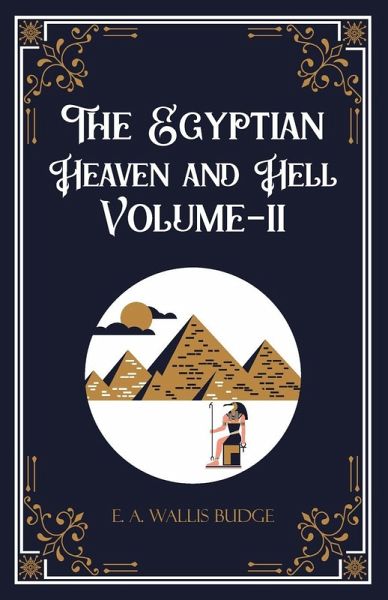
 The Egyptian Heaven and Hell Volume-II19,99 €
 A Thematic Study of Pearl S. Buck's All Under Heaven and the Devil Never Sleeps15,99 €
 What the Hell Were You Thinking?17,99 €
 John Cassian and the Reading of Egyptian Monastic Culture62,99 €
 The Individual and the Authority Figure in Egyptian Prose Literature55,99 €
 All Kids Go to Heaven14,99 €
 The Way to Hell21,99 €



E. A. Wallis Budge's "The Egyptian Heaven and Hell, Volume II" delves deeper into the rich tapestry of ancient Egyptian beliefs about the afterlife. Building upon the insights of the first volume, this comprehensive work explores the intricate details of Egyptian cosmology, the divine realms of the gods, and the complex rituals and texts that shaped their vision of heaven and hell. Through Budge's meticulous scholarship, readers gain access to the profound spiritual and theological dimensions of ancient Egyptian culture, revealing how the Egyptians conceptualized life after death and their divine justice. This volume is an essential resource for anyone fascinated by ancient Egyptian religion, mythology, and the enduring mysteries of their afterlife beliefs.