

Andere Kunden interessierten sich auch für
 The Elusive Quest of the Spiritual Malcontent33,99 €
 The Elusive Quest of the Spiritual Malcontent52,99 €
 The Elusive Macrostructure of the Apocalypse of John106,50 €
 The Cambridge Companion to Paul Tillich88,99 €
 The Cambridge Companion to Hans Urs Von Balthasar87,99 €
 The Cambridge Companion to Evangelical Theology88,99 €
 The Creativity of God44,99 €







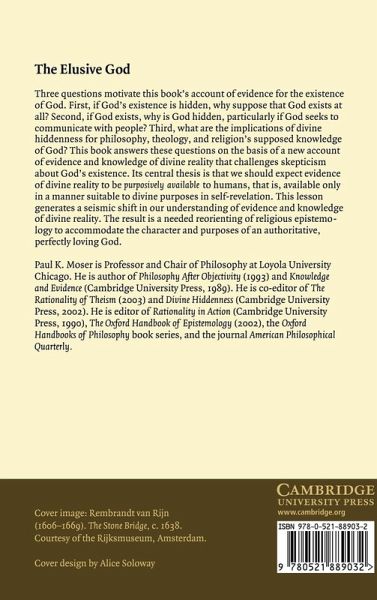
Three questions motivate this book's account of evidence for the existence of God. First, if God's existence is hidden, why suppose He exists at all? Second, if God exists, why is He hidden, particularly if God seeks to communicate with people? Third, what are the implications of divine hiddenness for philosophy, theology, and religion's supposed knowledge of God? This book answers these questions using a new account of evidence and knowledge of divine reality that challenges scepticism about God's existence. The central thesis is that we should expect evidence of divine reality to be purposively available to humans, that is, available only in a manner suitable to divine purposes in self-revelation. This lesson generates a seismic shift in our understanding of evidence and knowledge of divine reality. The result is a much-needed reorienting of religious epistemology to accommodate the character and purposes of an authoritative, perfectly loving God.