
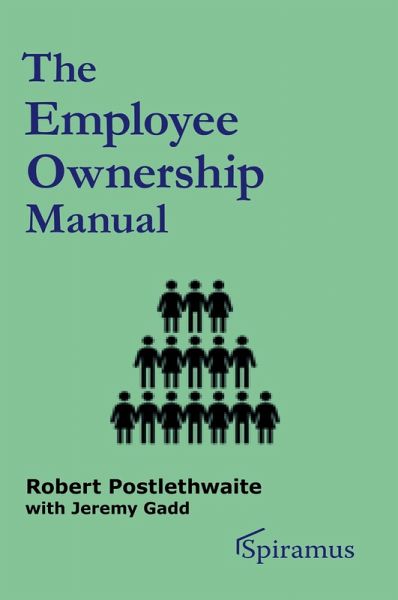
- Broschiertes Buch
- Merkliste
- Auf die Merkliste
- Bewerten Bewerten
- Teilen
- Produkt teilen
- Produkterinnerung
- Produkterinnerung
Intended to meet a range of different needs and to cater for different levels of knowledge about employee ownership. If you are considering making your company employee-owned or you are advising someone going through that process, and in either case are new to the topic, this book will build up your knowledge levels.
Andere Kunden interessierten sich auch für
 Chris ThorpeImplied Trusts and Beneficial Ownership in Modern UK Tax Law40,99 €
 Ann O'ConnellSaving the Family Cottage22,99 €
 Mary RandolphThe Executor's Guide29,99 €
 Kate TentoThe Estate Planning Bible17,99 €
 Eileen E GilleseThe Law of Trusts, 3/E56,99 €
 Frankie MccarthyScottish Succession Law Essentials25,99 €
 Ronald Farrington SharpBeneficiary Guide for Everyone15,99 €
-
-
-






Intended to meet a range of different needs and to cater for different levels of knowledge about employee ownership. If you are considering making your company employee-owned or you are advising someone going through that process, and in either case are new to the topic, this book will build up your knowledge levels.
Produktdetails
- Produktdetails
- Verlag: Chicago Review Press Inc DBA Indepe
- Seitenzahl: 256
- Erscheinungstermin: 2. Januar 2020
- Englisch
- Abmessung: 231mm x 155mm x 20mm
- Gewicht: 499g
- ISBN-13: 9781910151150
- ISBN-10: 1910151157
- Artikelnr.: 73281206
- Herstellerkennzeichnung
- Libri GmbH
- Europaallee 1
- 36244 Bad Hersfeld
- gpsr@libri.de
- Verlag: Chicago Review Press Inc DBA Indepe
- Seitenzahl: 256
- Erscheinungstermin: 2. Januar 2020
- Englisch
- Abmessung: 231mm x 155mm x 20mm
- Gewicht: 499g
- ISBN-13: 9781910151150
- ISBN-10: 1910151157
- Artikelnr.: 73281206
- Herstellerkennzeichnung
- Libri GmbH
- Europaallee 1
- 36244 Bad Hersfeld
- gpsr@libri.de
Robert Postlethwaite is the founder and managing director of Postlethwaite, a solicitors practice which helps companies throughout the UK and overseas that wish to grow, improve and widen participation in their success through employee ownership and employee share schemes. Robert and his team will design an employee ownership structure or share scheme that matches a company's needs and circumstances, then cover all aspects of its legal implementation. Jeremy Gadd is the founder of J Gadd Associates, which works with people in business and other organisations to achieve their full potential. Jeremy and his team provide leadership and performance coaching, help with stakeholder engagement, independent reviews of how well people in an organisation are working together and practical help in other ways.
Chapter 1: This Chapter looks at the background to employee ownership and
why companies choose to become employee-owned. Chapter 2: Employee trusts
are a key part of the structure of most employee-owned companies, as
outlined in this Chapter. Individual share ownership is also introduced
here, as some employee-owned companies combine ownership by an employee
trust (which usually holds the majority of the company's shares) with
direct, individual ownership of shares by employees. Chapter 3: Delves more
deeply into how employee trusts work and how the role of trustees as owners
interacts with the role of the company's directors. Chapter 4: In this
Chapter, the key steps and decisions that will need to be made in
establishing an employee trust are considered. Chapter : This Chapter
starts to look in more detail at individual share ownership, in particular
the ways in which employees can acquire shares personally, and provides a
summary of the tax reliefs that are available for individual employees
acquiring shares in their company. Chapter: Employee ownership trusts are a
particular kind of employee trust, bringing particular tax reliefs. This
Chapter considers these tax reliefs and the various conditions which must
be satisfied. Chapter 7: Many companies become employee-owned through the
existing owners transferring their shares to an employee trust. This
Chapter looks at how to plan ownership succession in this way and some key
questions that will need to be considered. Chapter 8: An employee ownership
trust deed is likely to form the structural core of most employee-owned
companies. This Chapter explains the key provisions that it will commonly
include. Chapter 9: This Chapter considers the people issues which arise in
a transition to employee ownership, and has been written by Jeremy Gadd.
The next five Chapters look in more detail at how employees can acquire
shares individually and may be of value to companies wishing to include
individual share ownership alongside trust ownership. Chapters 10 and 11
look at two tax-advantaged all-employee share schemes. Chapter 10: The
Share Incentive Plan (SIP) enables employees to purchase shares or receive
free shares, in each case with relief against income tax. The SIP is an
all-employee share scheme, which means that all employees must be allowed
to participate in any offer of shares. This Chapter looks at the statutory
requirements for operating a SIP and how it works in practice. Chapter 11:
Save As You Earn (SAYE) options is another form of all-employee share
scheme, under which employees can be granted options to acquire shares in
the future and those employees who participate will save a monthly amount
towards the option exercise price. This Chapter considers how SAYE options
work. Chapters 12 and 13 look at tax-advantaged share schemes which do not
need to involve all employees: Chapter 12: This Chapter looks at Enterprise
Management Incentive (EMI) options. For companies wishing to create
personal share ownership for their key people, EMI options will often be
the best place to start. There are particular eligibility requirements for
EMI options. These are considered in this Chapter, which also discusses the
key elements of an EMI scheme, and offers suggestions as to how EMI options
can be structured. Chapter 13: An alternative to EMI options is the Company
Share Option Plan (CSOP). This Chapter considers how the CSOP works.
Chapter 14: This Chapter looks at other ways in which employees can acquire
shares personally. Chapters 15 to 20 consider other legal, regulatory and
taxation issues. Chapter 15: Where employees are to acquire shares (or
cash) from an employee trust, it is important to ensure that this is
structured in a way which does not fall foul of tax anti-avoidance rules
which were introduced to counter what is commonly referred to as disguised
remuneration. This Chapter looks at these provisions and how to keep on the
right side of them. Failure to do so could result in a charge to income tax
and National Insurance on the value of assets even though an employee has
not acquired any definite ownership rights over them. Chapter 16: This
Chapter sweeps up some other legal and regulatory matters not directly
covered in previous Chapters. Chapter 17: This Chapter covers data
protection requirements. Chapter 18: This Chapter covers phantom shares.
Chapter 19: This looks at the interaction between corporation tax, employee
trusts and different individual employee share schemes. Chapter 20: There
are a number of registration and filing requirements with HM Revenue and
Customs and the Registrar of Companies. This Chapter considers these and
some continuing administration requirements and summarises the accounting
treatment of employee trusts and employee share schemes.
why companies choose to become employee-owned. Chapter 2: Employee trusts
are a key part of the structure of most employee-owned companies, as
outlined in this Chapter. Individual share ownership is also introduced
here, as some employee-owned companies combine ownership by an employee
trust (which usually holds the majority of the company's shares) with
direct, individual ownership of shares by employees. Chapter 3: Delves more
deeply into how employee trusts work and how the role of trustees as owners
interacts with the role of the company's directors. Chapter 4: In this
Chapter, the key steps and decisions that will need to be made in
establishing an employee trust are considered. Chapter : This Chapter
starts to look in more detail at individual share ownership, in particular
the ways in which employees can acquire shares personally, and provides a
summary of the tax reliefs that are available for individual employees
acquiring shares in their company. Chapter: Employee ownership trusts are a
particular kind of employee trust, bringing particular tax reliefs. This
Chapter considers these tax reliefs and the various conditions which must
be satisfied. Chapter 7: Many companies become employee-owned through the
existing owners transferring their shares to an employee trust. This
Chapter looks at how to plan ownership succession in this way and some key
questions that will need to be considered. Chapter 8: An employee ownership
trust deed is likely to form the structural core of most employee-owned
companies. This Chapter explains the key provisions that it will commonly
include. Chapter 9: This Chapter considers the people issues which arise in
a transition to employee ownership, and has been written by Jeremy Gadd.
The next five Chapters look in more detail at how employees can acquire
shares individually and may be of value to companies wishing to include
individual share ownership alongside trust ownership. Chapters 10 and 11
look at two tax-advantaged all-employee share schemes. Chapter 10: The
Share Incentive Plan (SIP) enables employees to purchase shares or receive
free shares, in each case with relief against income tax. The SIP is an
all-employee share scheme, which means that all employees must be allowed
to participate in any offer of shares. This Chapter looks at the statutory
requirements for operating a SIP and how it works in practice. Chapter 11:
Save As You Earn (SAYE) options is another form of all-employee share
scheme, under which employees can be granted options to acquire shares in
the future and those employees who participate will save a monthly amount
towards the option exercise price. This Chapter considers how SAYE options
work. Chapters 12 and 13 look at tax-advantaged share schemes which do not
need to involve all employees: Chapter 12: This Chapter looks at Enterprise
Management Incentive (EMI) options. For companies wishing to create
personal share ownership for their key people, EMI options will often be
the best place to start. There are particular eligibility requirements for
EMI options. These are considered in this Chapter, which also discusses the
key elements of an EMI scheme, and offers suggestions as to how EMI options
can be structured. Chapter 13: An alternative to EMI options is the Company
Share Option Plan (CSOP). This Chapter considers how the CSOP works.
Chapter 14: This Chapter looks at other ways in which employees can acquire
shares personally. Chapters 15 to 20 consider other legal, regulatory and
taxation issues. Chapter 15: Where employees are to acquire shares (or
cash) from an employee trust, it is important to ensure that this is
structured in a way which does not fall foul of tax anti-avoidance rules
which were introduced to counter what is commonly referred to as disguised
remuneration. This Chapter looks at these provisions and how to keep on the
right side of them. Failure to do so could result in a charge to income tax
and National Insurance on the value of assets even though an employee has
not acquired any definite ownership rights over them. Chapter 16: This
Chapter sweeps up some other legal and regulatory matters not directly
covered in previous Chapters. Chapter 17: This Chapter covers data
protection requirements. Chapter 18: This Chapter covers phantom shares.
Chapter 19: This looks at the interaction between corporation tax, employee
trusts and different individual employee share schemes. Chapter 20: There
are a number of registration and filing requirements with HM Revenue and
Customs and the Registrar of Companies. This Chapter considers these and
some continuing administration requirements and summarises the accounting
treatment of employee trusts and employee share schemes.
Chapter 1: This Chapter looks at the background to employee ownership and
why companies choose to become employee-owned. Chapter 2: Employee trusts
are a key part of the structure of most employee-owned companies, as
outlined in this Chapter. Individual share ownership is also introduced
here, as some employee-owned companies combine ownership by an employee
trust (which usually holds the majority of the company's shares) with
direct, individual ownership of shares by employees. Chapter 3: Delves more
deeply into how employee trusts work and how the role of trustees as owners
interacts with the role of the company's directors. Chapter 4: In this
Chapter, the key steps and decisions that will need to be made in
establishing an employee trust are considered. Chapter : This Chapter
starts to look in more detail at individual share ownership, in particular
the ways in which employees can acquire shares personally, and provides a
summary of the tax reliefs that are available for individual employees
acquiring shares in their company. Chapter: Employee ownership trusts are a
particular kind of employee trust, bringing particular tax reliefs. This
Chapter considers these tax reliefs and the various conditions which must
be satisfied. Chapter 7: Many companies become employee-owned through the
existing owners transferring their shares to an employee trust. This
Chapter looks at how to plan ownership succession in this way and some key
questions that will need to be considered. Chapter 8: An employee ownership
trust deed is likely to form the structural core of most employee-owned
companies. This Chapter explains the key provisions that it will commonly
include. Chapter 9: This Chapter considers the people issues which arise in
a transition to employee ownership, and has been written by Jeremy Gadd.
The next five Chapters look in more detail at how employees can acquire
shares individually and may be of value to companies wishing to include
individual share ownership alongside trust ownership. Chapters 10 and 11
look at two tax-advantaged all-employee share schemes. Chapter 10: The
Share Incentive Plan (SIP) enables employees to purchase shares or receive
free shares, in each case with relief against income tax. The SIP is an
all-employee share scheme, which means that all employees must be allowed
to participate in any offer of shares. This Chapter looks at the statutory
requirements for operating a SIP and how it works in practice. Chapter 11:
Save As You Earn (SAYE) options is another form of all-employee share
scheme, under which employees can be granted options to acquire shares in
the future and those employees who participate will save a monthly amount
towards the option exercise price. This Chapter considers how SAYE options
work. Chapters 12 and 13 look at tax-advantaged share schemes which do not
need to involve all employees: Chapter 12: This Chapter looks at Enterprise
Management Incentive (EMI) options. For companies wishing to create
personal share ownership for their key people, EMI options will often be
the best place to start. There are particular eligibility requirements for
EMI options. These are considered in this Chapter, which also discusses the
key elements of an EMI scheme, and offers suggestions as to how EMI options
can be structured. Chapter 13: An alternative to EMI options is the Company
Share Option Plan (CSOP). This Chapter considers how the CSOP works.
Chapter 14: This Chapter looks at other ways in which employees can acquire
shares personally. Chapters 15 to 20 consider other legal, regulatory and
taxation issues. Chapter 15: Where employees are to acquire shares (or
cash) from an employee trust, it is important to ensure that this is
structured in a way which does not fall foul of tax anti-avoidance rules
which were introduced to counter what is commonly referred to as disguised
remuneration. This Chapter looks at these provisions and how to keep on the
right side of them. Failure to do so could result in a charge to income tax
and National Insurance on the value of assets even though an employee has
not acquired any definite ownership rights over them. Chapter 16: This
Chapter sweeps up some other legal and regulatory matters not directly
covered in previous Chapters. Chapter 17: This Chapter covers data
protection requirements. Chapter 18: This Chapter covers phantom shares.
Chapter 19: This looks at the interaction between corporation tax, employee
trusts and different individual employee share schemes. Chapter 20: There
are a number of registration and filing requirements with HM Revenue and
Customs and the Registrar of Companies. This Chapter considers these and
some continuing administration requirements and summarises the accounting
treatment of employee trusts and employee share schemes.
why companies choose to become employee-owned. Chapter 2: Employee trusts
are a key part of the structure of most employee-owned companies, as
outlined in this Chapter. Individual share ownership is also introduced
here, as some employee-owned companies combine ownership by an employee
trust (which usually holds the majority of the company's shares) with
direct, individual ownership of shares by employees. Chapter 3: Delves more
deeply into how employee trusts work and how the role of trustees as owners
interacts with the role of the company's directors. Chapter 4: In this
Chapter, the key steps and decisions that will need to be made in
establishing an employee trust are considered. Chapter : This Chapter
starts to look in more detail at individual share ownership, in particular
the ways in which employees can acquire shares personally, and provides a
summary of the tax reliefs that are available for individual employees
acquiring shares in their company. Chapter: Employee ownership trusts are a
particular kind of employee trust, bringing particular tax reliefs. This
Chapter considers these tax reliefs and the various conditions which must
be satisfied. Chapter 7: Many companies become employee-owned through the
existing owners transferring their shares to an employee trust. This
Chapter looks at how to plan ownership succession in this way and some key
questions that will need to be considered. Chapter 8: An employee ownership
trust deed is likely to form the structural core of most employee-owned
companies. This Chapter explains the key provisions that it will commonly
include. Chapter 9: This Chapter considers the people issues which arise in
a transition to employee ownership, and has been written by Jeremy Gadd.
The next five Chapters look in more detail at how employees can acquire
shares individually and may be of value to companies wishing to include
individual share ownership alongside trust ownership. Chapters 10 and 11
look at two tax-advantaged all-employee share schemes. Chapter 10: The
Share Incentive Plan (SIP) enables employees to purchase shares or receive
free shares, in each case with relief against income tax. The SIP is an
all-employee share scheme, which means that all employees must be allowed
to participate in any offer of shares. This Chapter looks at the statutory
requirements for operating a SIP and how it works in practice. Chapter 11:
Save As You Earn (SAYE) options is another form of all-employee share
scheme, under which employees can be granted options to acquire shares in
the future and those employees who participate will save a monthly amount
towards the option exercise price. This Chapter considers how SAYE options
work. Chapters 12 and 13 look at tax-advantaged share schemes which do not
need to involve all employees: Chapter 12: This Chapter looks at Enterprise
Management Incentive (EMI) options. For companies wishing to create
personal share ownership for their key people, EMI options will often be
the best place to start. There are particular eligibility requirements for
EMI options. These are considered in this Chapter, which also discusses the
key elements of an EMI scheme, and offers suggestions as to how EMI options
can be structured. Chapter 13: An alternative to EMI options is the Company
Share Option Plan (CSOP). This Chapter considers how the CSOP works.
Chapter 14: This Chapter looks at other ways in which employees can acquire
shares personally. Chapters 15 to 20 consider other legal, regulatory and
taxation issues. Chapter 15: Where employees are to acquire shares (or
cash) from an employee trust, it is important to ensure that this is
structured in a way which does not fall foul of tax anti-avoidance rules
which were introduced to counter what is commonly referred to as disguised
remuneration. This Chapter looks at these provisions and how to keep on the
right side of them. Failure to do so could result in a charge to income tax
and National Insurance on the value of assets even though an employee has
not acquired any definite ownership rights over them. Chapter 16: This
Chapter sweeps up some other legal and regulatory matters not directly
covered in previous Chapters. Chapter 17: This Chapter covers data
protection requirements. Chapter 18: This Chapter covers phantom shares.
Chapter 19: This looks at the interaction between corporation tax, employee
trusts and different individual employee share schemes. Chapter 20: There
are a number of registration and filing requirements with HM Revenue and
Customs and the Registrar of Companies. This Chapter considers these and
some continuing administration requirements and summarises the accounting
treatment of employee trusts and employee share schemes.