
Andere Kunden interessierten sich auch für
 Consumer Dilemma to Purchase Hybrid Car19,99 €
 Diamond Dilemma26,99 €
 True And False Experts15,99 €
 Democracy, False Or True18,99 €
 The True Function of Money & the False Foundation of our Banking System17,99 €
 LE FALSE RICETTE PER USCIRE DALLA CRISI ECONOMICA È necessario un cambiamento nella culturale economica esistente21,99 €
 Against the Few47,99 €







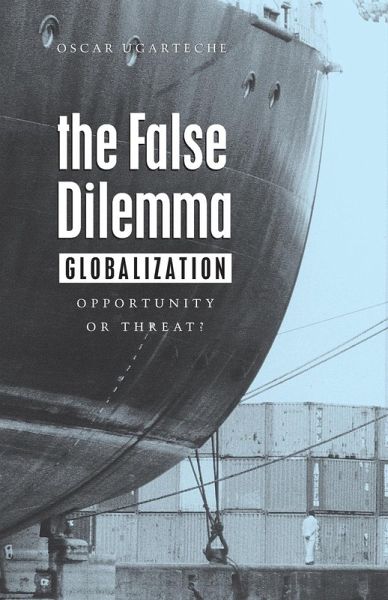
In this powerfully persuasive book, a Latin American economist with vast international experience argues that the economic framework of neo-liberalism and globalization is forcing a false dilemma on the nations of the South. The idea that these countries must integrate their economies into the global economy by means of export-led growth, or risk economic marginalization and stagnation, runs counter to the actual evidence of economic history. Nor is it inevitable that state and market be in diametric opposition. What is more, the roots of current global economic instability lie not in the South, but in an enduring crisis of the productivity of capital in the G-7 countries. With clarity, wit and abundant empirical evidence, Oscar Ugarteche explores the internal inconsistencies of neoliberal economic theory. He argues that the fundamental question is not whether to export, but why. And the ultimate goal of any country's economic policy must be the development of the internal market and the pursuit of the wellbeing of society as a whole. These considerations, in turn, can shape the extent and manner in which exports are promoted. Ugarteche lays out the case for a strong, innovative and interventionist state that mediates private interests with the larger national interest. Only if the state invests in its people, the social and the physical infrastructure, applied technological research and a new generation of domestic manufacturing industry can a path of rapid growth become possible, which integrates, rather than marginalizing, the majority of the population, reduces poverty rather than increasing inequality. In short, the South must reject the false logic of globalization that there is no choice, and recognize instead that the real folly is to integrate with the global market without developing the internal market.