
Andere Kunden interessierten sich auch für
 The Nation of Plants14,99 €
 Conservation, Markets & the Environment in Southern and Eastern Africa40,99 €
 The Role of Science in Environmental Impacts Assessment10,99 €
 The Earth As Modified By Human Action30,99 €
 Making Sustainability Matter44,99 €
 Thus Spoke the Plant16,99 €
 Creatures of Habitat: The Changing Nature of Wildlife and Wild Places in Utah and the Intermountain West18,99 €




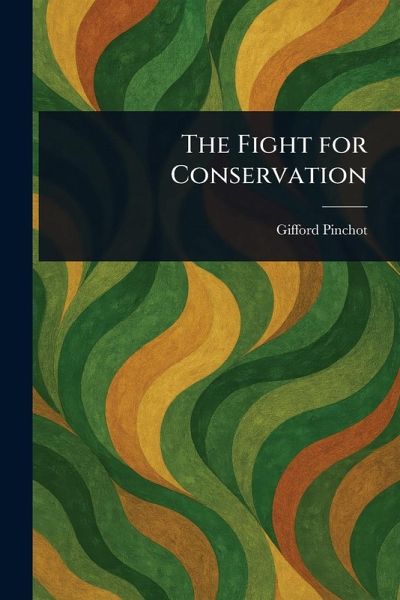
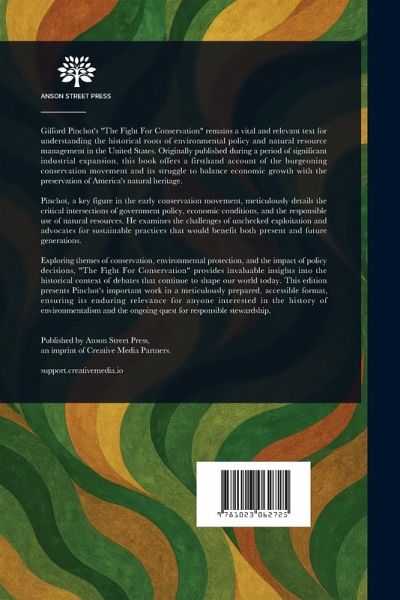
Gifford Pinchot's "The Fight For Conservation" remains a vital and relevant text for understanding the historical roots of environmental policy and natural resource management in the United States. Originally published during a period of significant industrial expansion, this book offers a firsthand account of the burgeoning conservation movement and its struggle to balance economic growth with the preservation of America's natural heritage. Pinchot, a key figure in the early conservation movement, meticulously details the critical intersections of government policy, economic conditions, and the responsible use of natural resources. He examines the challenges of unchecked exploitation and advocates for sustainable practices that would benefit both present and future generations. Exploring themes of conservation, environmental protection, and the impact of policy decisions, "The Fight For Conservation" provides invaluable insights into the historical context of debates that continue to shape our world today. This edition presents Pinchot's important work in a meticulously prepared, accessible format, ensuring its enduring relevance for anyone interested in the history of environmentalism and the ongoing quest for responsible stewardship. This work has been selected by scholars as being culturally important, and is part of the knowledge base of civilization as we know it. This work is in the public domain in the United States of America, and possibly other nations. Within the United States, you may freely copy and distribute this work, as no entity (individual or corporate) has a copyright on the body of the work. Scholars believe, and we concur, that this work is important enough to be preserved, reproduced, and made generally available to the public. We appreciate your support of the preservation process, and thank you for being an important part of keeping this knowledge alive and relevant.