
Andere Kunden interessierten sich auch für
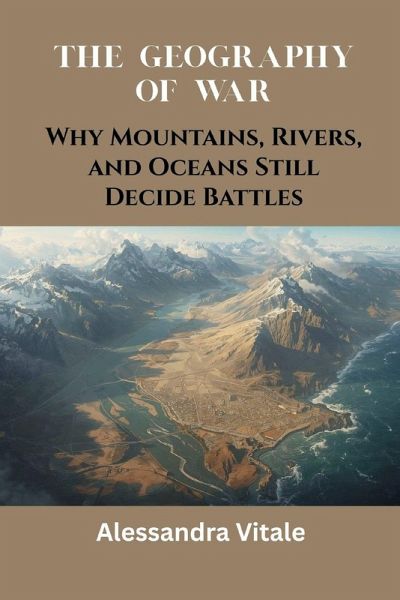
 The Geography of War35,99 €
 The Military Geography29,99 €
 The Code of War27,99 €
 The Sepoy21,99 €
 Short Stories from the British Indian Army24,99 €
 A General's Letters to His Son on Minor Tactics16,99 €
 Future Employment of Air Power19,99 €






From the first page, this book insists on a simple, unsettling truth: power obeys the hard edges of the world. High ideals and new technology matter-but why geography matters in war more often decides who advances, who starves, and who signs. Here is a field manual for civilians, a clear method to read any map and predict the pressures that shape leaders' choices, markets' nerves, and armies' limits. You will learn how military strategy and terrain really interact: why ridgelines become law, why a single bridge can halt a nation, why chokepoints and trade routes price risk before politicians do. Case studies-from mountain wars to Arctic shipping routes, from canal closures to the Malacca Strait geopolitics-show how mountains, rivers, and oceans quietly script events we later call "history." This is for curious readers of geopolitics, business planners, analysts, journalists, and decision-makers who want fewer surprises and better questions. By the end, you will carry a working checklist: where to look first, what to count, and how to tell rhetoric from road. - See the map's hidden leverage points: heights, water, depth, access - Judge headlines using maps that shaped wars and supply logic - Anticipate shocks along supply lines and rivers, and narrow seas - Understand how the mountains, rivers oceans conflict continues despite drones If you want a sharper, calmer way to think about the world, start with the ground beneath it-and let geopolitics of geography upgrade your judgment on what comes next.