
Andere Kunden interessierten sich auch für
 Wittgenstein and Education32,99 €
 Metaphysics and the Philosophy of Mind56,99 €
 The Expanse and Philosophy25,99 €
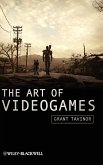
 The Art Videogames82,99 €
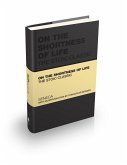
 On the Shortness of Life11,99 €
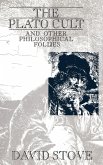
 The Plato Cult52,99 €
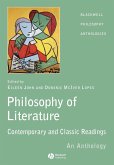
 The Philosophy of Literature50,99 €
"Originally published as volume 44, issues 2 and 3 of The journal of philosophy of education"--T.p. verso.
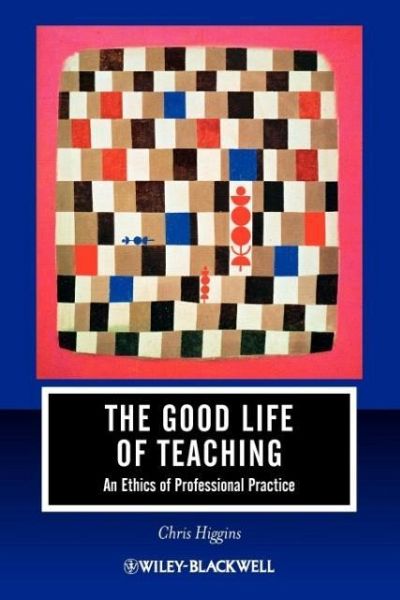
The Good Life of Teaching extends the recent revival of virtue ethics to professional ethics and the philosophy of teaching. It connects long-standing philosophical questions about work and human growth to questions about teacher motivation, identity, and development.
The Good Life of Teaching extends the recent revival of virtue ethics to professional ethics and the philosophy of teaching. It connects long-standing philosophical questions about work and human growth to questions about teacher motivation, identity, and development.
"The question of the ethical life of the teacher is as old asphilosophy; but in the contemporary world this has been transformedinto a question of professional ethics. In The Good Life ofTeaching, Chris Higgins brings this newer question ofprofessionalism back to its philosophical roots. Anyone whoexperiences teaching as a vocation - in the sense of a calling -but also wants to participate in the vocation of teaching - in thesense of a profession - will want to read this book."
--Jonathan Lear, The University of Chicago
'This is an exemplary book in philosophy of education. Itcombines intellectual rigour, ethical seriousness and imaginativeverve in a finely pitched exploration of the nature of teaching.Philosophers will applaud how its argument for the pertinence toeducation of a wisely chosen group of key thinkers creativelyextends our understanding of their work. More important, teacherswill be deeply confirmed or transformed by its sane vision of whatcan make their work both noble and sustainable.'
--Joseph Dunne, Cregan Professor Emeritus in philosophyof education, Dublin City University
--Jonathan Lear, The University of Chicago
'This is an exemplary book in philosophy of education. Itcombines intellectual rigour, ethical seriousness and imaginativeverve in a finely pitched exploration of the nature of teaching.Philosophers will applaud how its argument for the pertinence toeducation of a wisely chosen group of key thinkers creativelyextends our understanding of their work. More important, teacherswill be deeply confirmed or transformed by its sane vision of whatcan make their work both noble and sustainable.'
--Joseph Dunne, Cregan Professor Emeritus in philosophyof education, Dublin City University