
Nicht lieferbar
Andere Kunden interessierten sich auch für
 Cowboys of the Wild West: A Graphic Portrayal of Cowboy Life on the Boundless Plains of the Wild West29,99 €
 Cowboy19,95 €
 CRAFTBOOK - LUSTIGE AUSMALMOTIVE - NACHZEICHNEN - GUNSLINGER - WANTED - KNIFFLIGE RÄTSEL - WITZIGE AUFGABEN - GOLDMINE - COWBOYS - NUGGETS35,00 €
 CRAFTBOOK - LUSTIGE AUSMALMOTIVE - NACHZEICHNEN - GUNSLINGER - WANTED - KNIFFLIGE RÄTSEL - WITZIGE AUFGABEN - GOLDMINE - COWBOYS - NUGGETS25,00 €
 Trail Dust of a Maverick: Verses of Cowboy Life, the Cattle Range and Desert31,99 €
 Cowboys, Lawmen, and Outlaws38,99 €
 The Genesis of Mass Culture38,99 €



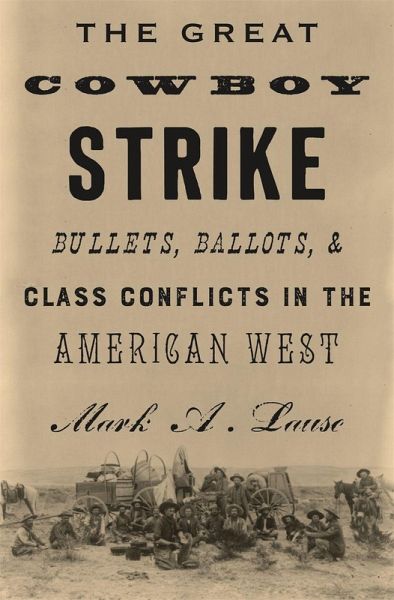
Although later made an icon of "rugged individualism," the American cowboy was a grossly exploited and underpaid seasonal worker, who waged a series of militant strikes in the generally isolated and neglected corners of the Old West. Mark Lause examines those neglected labour conflicts, couching them in the context of the bitter and violent "range wars" that broke out periodically across the region, and locating both among the political insurgencies endemic to the American West in the so-called Gilded Age.
Widely ranging across time and space, this engaging history moves gracefully from cowboy work culture, to politics, to The Wizard of Oz. Lause enhances his stature as the U.S. historian most able to connect agrarian radicalism to union organizing. A stirring account of western labor radicalism and its limitsat times in the face of racism and of unity among settlers across class lines. David Roediger