
Andere Kunden interessierten sich auch für
 Inclusive practice. Its formation from the Didactics of Mathematics29,99 €
 Didactics II Program for the management of the teaching-learning process in Higher Education.27,99 €
 Moving through the Academic Productions29,99 €
 THE TEACHINGS OF JESUS AND THE EDUCATION WE DREAM OF27,99 €
 Use of NICTs in the training of labor education teachers.29,99 €
 COLONIALITY OF EDUCATIONAL SCIENCES29,99 €
 FOR A BETTER CLASS40,99 €





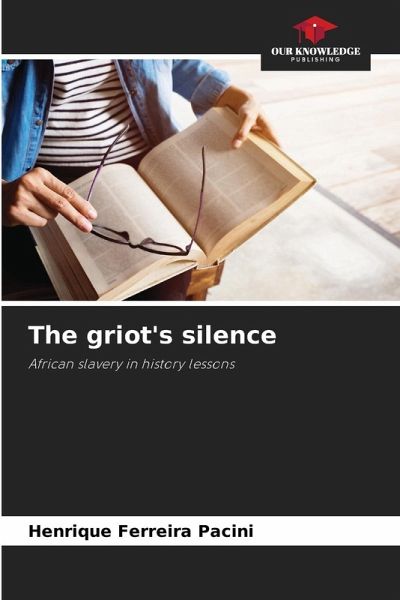
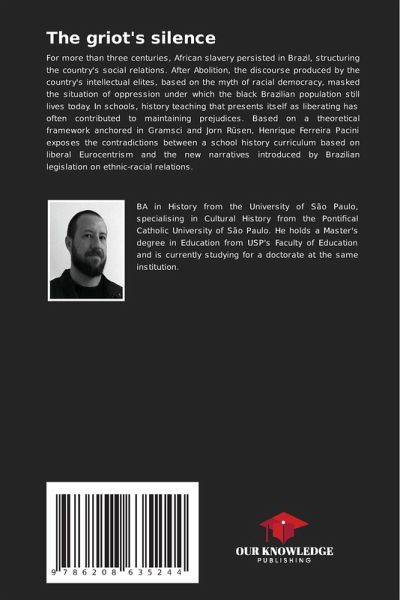
For more than three centuries, African slavery persisted in Brazil, structuring the country's social relations. After Abolition, the discourse produced by the country's intellectual elites, based on the myth of racial democracy, masked the situation of oppression under which the black Brazilian population still lives today. In schools, history teaching that presents itself as liberating has often contributed to maintaining prejudices. Based on a theoretical framework anchored in Gramsci and Jorn Rüsen, Henrique Ferreira Pacini exposes the contradictions between a school history curriculum based on liberal Eurocentrism and the new narratives introduced by Brazilian legislation on ethnic-racial relations.