

Andere Kunden interessierten sich auch für
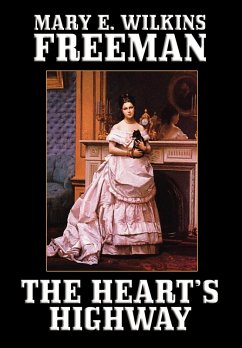
 The Heart's Highway28,99 €
 The Heart's Highway29,99 €
 The Heart's Highway12,90 €
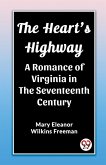
 The Heart's Highway A Romance of Virginia in the Seventeenth Century14,99 €
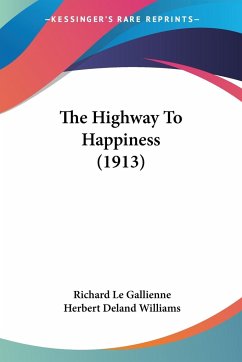
") The Highway To Happiness (1913)23,99 €
The Highway To Happiness (1913)23,99 € The heart's hope and Hope's heart. Life is a Story - story.one18,00 €
 The Highway as Letters35,90 €
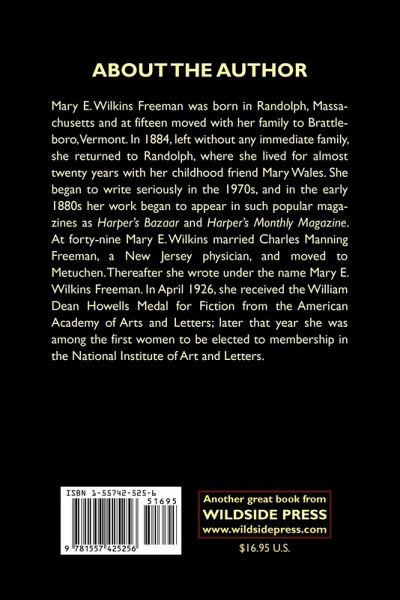
Freeman was born in Randolph, Massachusetts and at fifteen moved with her family to Brattleboro, Vermont. In 1884, left without any immediate family, she returned to Randolph, where she lived for almost twenty years with her childhood friend Mary Wales. She began to write seriously in the 1970s, & in the early 1880s her work began to appear in such popular magazines as Harper's Bazar and Harper's Monthly Magazine. At forty-nine Mary E. Wilkins married Charles Manning Freeman, a New Jersey physician, and moved to Metuchen. Thereafter she wrote under the name Mary E. Wilkins Freeman. In April 1926, she received the William Dean Howells Medal for Fiction from the American Academy of Arts and Letters; later that year she was among the 1st women to be elected to membership in the Natl. Inst. of Art and Letters.