- Gebundenes Buch
- Merkliste
- Auf die Merkliste
- Bewerten Bewerten
- Teilen
- Produkt teilen
- Produkterinnerung
- Produkterinnerung
At head of title: The Oliver Wendell Holmes Devise.
Andere Kunden interessierten sich auch für
William R. SmyserKennedy and the Berlin Wall62,99 €
Richard PolenbergThe Era of Franklin D. Roosevelt, 1933-194530,99 €
Richard Heathcote HeindelThe American Impact on Great Britain, 1898-1914102,99 €
Robert CarrikerUrban Farming in the West51,99 €
Southern Ireland and the Liberation of France66,65 €
Stephen H. NorwoodThe Third Reich in the Ivory Tower91,99 €
Michael E NeagleAmerica's Forgotten Colony115,99 €-
-
-
Produktdetails
- Produktdetails
- Verlag: Cambridge University Press
- Seitenzahl: 1272
- Erscheinungstermin: 3. Februar 2022
- Englisch
- Abmessung: 241mm x 163mm x 58mm
- Gewicht: 2132g
- ISBN-13: 9781316515938
- ISBN-10: 1316515931
- Artikelnr.: 62602395
- Herstellerkennzeichnung
- Libri GmbH
- Europaallee 1
- 36244 Bad Hersfeld
- gpsr@libri.de
- Verlag: Cambridge University Press
- Seitenzahl: 1272
- Erscheinungstermin: 3. Februar 2022
- Englisch
- Abmessung: 241mm x 163mm x 58mm
- Gewicht: 2132g
- ISBN-13: 9781316515938
- ISBN-10: 1316515931
- Artikelnr.: 62602395
- Herstellerkennzeichnung
- Libri GmbH
- Europaallee 1
- 36244 Bad Hersfeld
- gpsr@libri.de
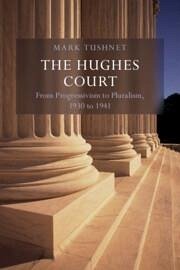
Mark Tushnet is the William Nelson Cromwell Professor of Law emeritus at Harvard Law School. After graduating from Harvard College and Yale Law School, he served as law clerk to Supreme Court Justice Thurgood Marshall. He has written widely on constitutional theory, comparative constitutional law, and US legal and constitutional history. His book The NAACP's Legal Strategy Against Segregated Education (1987) won the Littleton Griswold Prize awarded by the American Historical Association.
Acknowledgments
Introduction
Preface
Part I. The Opening Years: Section A. Setting the Stage
1. Personnel and Organizing Ideas
2. Formulas and Conceptions of Basic Needs: An Overview
3. The Complex World of Simple Formulas
4. Formulas and Considerations of Basic Needs in Business Regulation Cases
Section B. The False Dawn
5. Blaisdell
6. Nebbia
7. The Gold Clause Cases
Section C. Crisis
8. Black Monday 1935
9. Winter 1935-36
10. Spring 1936
11. The Court-Packing Plan
12. Resolution
13. Was There a 'Switch in Time'?
Section D. The New Constitutional Regime
14. After the Storm: Personnel and Organization
15. Consolidating the Scope of National Power
16. Consolidating State Regulation of Business
17. Consolidating Labor Law and Intergovernmental Immunity
18. Toward a Theory of Pluralism
Part II. Continuities: Section A. Administrative Law
19. Administrative Law Introduction
20. Administrative Law Constitutional Limits
21. Administrative Law Presidential Power
22. Administrative Law Courts' Role
Section B. Civil Liberties and Civil Rights
23. The Uncertainty of Theory
24. Progressivism, Prohibition, and Organized Crime
25. Race, Criminal Justice, and 'Labor Defense'
26. Race and Strategic Litigation
27. Radical Political Dissent
28. Radical Religious Dissent
Section C. Justiciability
29. Basic Concepts of Justiciability
30. Sovereign Immunity and Political Questions
31. Regulating Access to the National Courts
32. Erie
33. Erie's Legacy
34. Form and Style in Statutory Interpretation
Part III: New Approaches Begin to Emerge: Section A. Economics
35. New Deal Economics
36. Regulating Strikes
37. Regulating the NLRB
38. The Labor Antitrust Interface
Section B. Civil Liberties After 1937
39. The Justices and the Theories
40. Demonstrations, Picketing, and First Amendment Theories
41. The Jehovah's Witnesses and First Amendment Theories
42. Conclusion
Historiographical Essay
Index.

Introduction
Preface
Part I. The Opening Years: Section A. Setting the Stage
1. Personnel and Organizing Ideas
2. Formulas and Conceptions of Basic Needs: An Overview
3. The Complex World of Simple Formulas
4. Formulas and Considerations of Basic Needs in Business Regulation Cases
Section B. The False Dawn
5. Blaisdell
6. Nebbia
7. The Gold Clause Cases
Section C. Crisis
8. Black Monday 1935
9. Winter 1935-36
10. Spring 1936
11. The Court-Packing Plan
12. Resolution
13. Was There a 'Switch in Time'?
Section D. The New Constitutional Regime
14. After the Storm: Personnel and Organization
15. Consolidating the Scope of National Power
16. Consolidating State Regulation of Business
17. Consolidating Labor Law and Intergovernmental Immunity
18. Toward a Theory of Pluralism
Part II. Continuities: Section A. Administrative Law
19. Administrative Law Introduction
20. Administrative Law Constitutional Limits
21. Administrative Law Presidential Power
22. Administrative Law Courts' Role
Section B. Civil Liberties and Civil Rights
23. The Uncertainty of Theory
24. Progressivism, Prohibition, and Organized Crime
25. Race, Criminal Justice, and 'Labor Defense'
26. Race and Strategic Litigation
27. Radical Political Dissent
28. Radical Religious Dissent
Section C. Justiciability
29. Basic Concepts of Justiciability
30. Sovereign Immunity and Political Questions
31. Regulating Access to the National Courts
32. Erie
33. Erie's Legacy
34. Form and Style in Statutory Interpretation
Part III: New Approaches Begin to Emerge: Section A. Economics
35. New Deal Economics
36. Regulating Strikes
37. Regulating the NLRB
38. The Labor Antitrust Interface
Section B. Civil Liberties After 1937
39. The Justices and the Theories
40. Demonstrations, Picketing, and First Amendment Theories
41. The Jehovah's Witnesses and First Amendment Theories
42. Conclusion
Historiographical Essay
Index.
Acknowledgments
Introduction
Preface
Part I. The Opening Years: Section A. Setting the Stage
1. Personnel and Organizing Ideas
2. Formulas and Conceptions of Basic Needs: An Overview
3. The Complex World of Simple Formulas
4. Formulas and Considerations of Basic Needs in Business Regulation Cases
Section B. The False Dawn
5. Blaisdell
6. Nebbia
7. The Gold Clause Cases
Section C. Crisis
8. Black Monday 1935
9. Winter 1935-36
10. Spring 1936
11. The Court-Packing Plan
12. Resolution
13. Was There a 'Switch in Time'?
Section D. The New Constitutional Regime
14. After the Storm: Personnel and Organization
15. Consolidating the Scope of National Power
16. Consolidating State Regulation of Business
17. Consolidating Labor Law and Intergovernmental Immunity
18. Toward a Theory of Pluralism
Part II. Continuities: Section A. Administrative Law
19. Administrative Law Introduction
20. Administrative Law Constitutional Limits
21. Administrative Law Presidential Power
22. Administrative Law Courts' Role
Section B. Civil Liberties and Civil Rights
23. The Uncertainty of Theory
24. Progressivism, Prohibition, and Organized Crime
25. Race, Criminal Justice, and 'Labor Defense'
26. Race and Strategic Litigation
27. Radical Political Dissent
28. Radical Religious Dissent
Section C. Justiciability
29. Basic Concepts of Justiciability
30. Sovereign Immunity and Political Questions
31. Regulating Access to the National Courts
32. Erie
33. Erie's Legacy
34. Form and Style in Statutory Interpretation
Part III: New Approaches Begin to Emerge: Section A. Economics
35. New Deal Economics
36. Regulating Strikes
37. Regulating the NLRB
38. The Labor Antitrust Interface
Section B. Civil Liberties After 1937
39. The Justices and the Theories
40. Demonstrations, Picketing, and First Amendment Theories
41. The Jehovah's Witnesses and First Amendment Theories
42. Conclusion
Historiographical Essay
Index.
Introduction
Preface
Part I. The Opening Years: Section A. Setting the Stage
1. Personnel and Organizing Ideas
2. Formulas and Conceptions of Basic Needs: An Overview
3. The Complex World of Simple Formulas
4. Formulas and Considerations of Basic Needs in Business Regulation Cases
Section B. The False Dawn
5. Blaisdell
6. Nebbia
7. The Gold Clause Cases
Section C. Crisis
8. Black Monday 1935
9. Winter 1935-36
10. Spring 1936
11. The Court-Packing Plan
12. Resolution
13. Was There a 'Switch in Time'?
Section D. The New Constitutional Regime
14. After the Storm: Personnel and Organization
15. Consolidating the Scope of National Power
16. Consolidating State Regulation of Business
17. Consolidating Labor Law and Intergovernmental Immunity
18. Toward a Theory of Pluralism
Part II. Continuities: Section A. Administrative Law
19. Administrative Law Introduction
20. Administrative Law Constitutional Limits
21. Administrative Law Presidential Power
22. Administrative Law Courts' Role
Section B. Civil Liberties and Civil Rights
23. The Uncertainty of Theory
24. Progressivism, Prohibition, and Organized Crime
25. Race, Criminal Justice, and 'Labor Defense'
26. Race and Strategic Litigation
27. Radical Political Dissent
28. Radical Religious Dissent
Section C. Justiciability
29. Basic Concepts of Justiciability
30. Sovereign Immunity and Political Questions
31. Regulating Access to the National Courts
32. Erie
33. Erie's Legacy
34. Form and Style in Statutory Interpretation
Part III: New Approaches Begin to Emerge: Section A. Economics
35. New Deal Economics
36. Regulating Strikes
37. Regulating the NLRB
38. The Labor Antitrust Interface
Section B. Civil Liberties After 1937
39. The Justices and the Theories
40. Demonstrations, Picketing, and First Amendment Theories
41. The Jehovah's Witnesses and First Amendment Theories
42. Conclusion
Historiographical Essay
Index.