Andere Kunden interessierten sich auch für
 The Iliad49,90 €
 The Iliad69,90 €
") The Iliad(Illustrated)26,99 €
The Iliad(Illustrated)26,99 € The Iliad32,99 €
 The Iliad49,90 €
 The Iliad of Homer37,99 €
 THE ILIAD AND THE ODYSSEY30,99 €
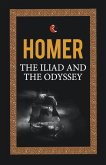
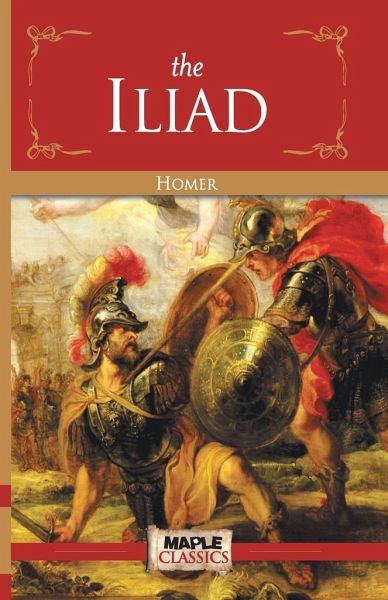
"For of all creatures that breathe and move on earth none is more to be pitied than a man." An ancient Greek poem, Homer's The Iliad is one of the greatest epics of Western literature. The story depicts the critical events during the last few weeks of the final year of the Trojan War as Homer provides glimpses of the past events that led to the catastrophic war, and insights into the future through the prophecies of Achilles' looming death and the fall of Troy. Interwoven with the moving descriptions of the ebb and flow of the battle, The Iliad presents an appalling view of the world and human life living under the umbrage of death and suffering.
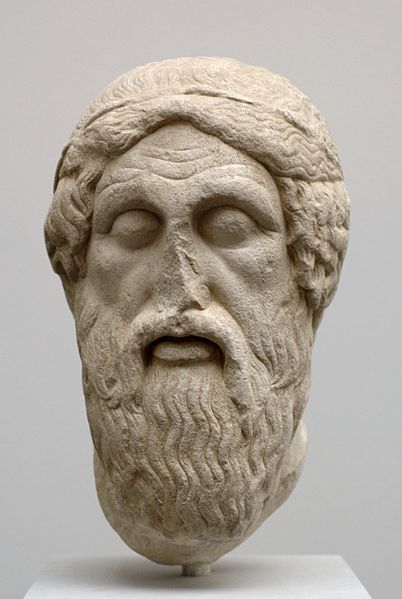
Homer (750 bc - unknown) Popularly known as Homer, Melesigenes authored two of the oldest extant epics of Greek mythology: the Iliad and Odyssey. Said to have been blind, he narrated both his books as poetry, and they were first written down in the format of a script in the 8th century bce. Melesigenes's travels across the country of Greece as a poet brought him to the Hermaean plain in the county of Cumae where he adopted the name, Homer - a name that was given by the people of the county to blind men. His promises of bringing the county reclaim if they supported him were met with resistance, and this drove the poet to Phocoea, and then to Erythrae. Thereafter, he arrived in the town of Chios, where he married and started a family. Originally written in Homeric Greek, both the Iliad and Odyssey have been translated into multiple languages across the world. His descriptions of love, loss, friendship, anger, angst, war, brotherhood, and kinghood transcend time and age, and continue to pull a reader towards his works. This edition of the Illiad was translated by Alexander Pope (1688-1744), a poet whose satirical poetry won him widespread acclaim. His translations of the Iliad and Odyssey are considered some of his best works till date.