
Andere Kunden interessierten sich auch für
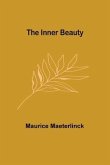
 The Inner Beauty14,99 €
 Shakespeare's Predecessors in the English Drama28,99 €
 John the Baptist: A Play20,99 €
 Literary Criticism From the Elizabethan Dramatists22,99 €
 A Handbook of the Drama: Its Philosophy and Teaching20,99 €
 A Short History of the English Drama22,99 €
 Hebbel, Ibsen and the Analytic Exposition15,99 €

This work has been selected by scholars as being culturally important, and is part of the knowledge base of civilization as we know it. This work is in the "public domain in the United States of America, and possibly other nations. Within the United States, you may freely copy and distribute this work, as no entity (individual or corporate) has a copyright on the body of the work. Scholars believe, and we concur, that this work is important enough to be preserved, reproduced, and made generally available to the public. We appreciate your support of the preservation process, and thank you for being an important part of keeping this knowledge alive and relevant.
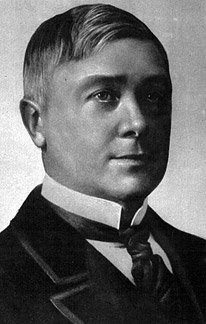
Maurice Maeterlinck (1862-1949) was a seminal Belgian playwright, poet, and essayist who became a leading voice in Symbolist literature. Born in Ghent to a wealthy, French-speaking family, he initially studied law but quickly turned to literature and writing. As a key figure in the Symbolist movement, Maeterlinck's work is characterized by a mystic and poetic approach to themes such as fate, death, and the inner life of the human soul, which are vividly explored in his book 'The Inner Beauty.' His literary style is marked by an ethereal quality, employing a sense of universality and the supernatural that transcends the mundane physical world. His dramatic pieces often present a contemplative and static quality, in stark contrast to the realism dominating the theatre of his time. Maeterlinck received the Nobel Prize in Literature in 1911, largely credited to the innovative symbolism and spiritual depth of his works which include plays such as 'Pelléas et Mélisande' and 'The Blue Bird.' These works solidified his position as an imaginative force capable of invoking profound introspection in his readers. 'The Inner Beauty,' encapsulates Maeterlinck's philosophical reflections on aesthetics, human consciousness, and the quest for truth, offering a glimpse into his intricate explorations of the invisible and the inexpressible components of existence.