
Andere Kunden interessierten sich auch für
 Judging Women's Rights, Gender & Citizenship in Ben Ali's Tunisia115,99 €
 Administrating Kinship: Marriage Impediments and Dispensation Policies in the 18th and 19th Centuries183,99 €
 The Prenup Prescription13,99 €
 Family Law and Gender in the Middle East and North Africa102,99 €
 Clean Break30,99 €
 Winning Divorce Strategies17,99 €
 The Equal Parent Presumption28,99 €





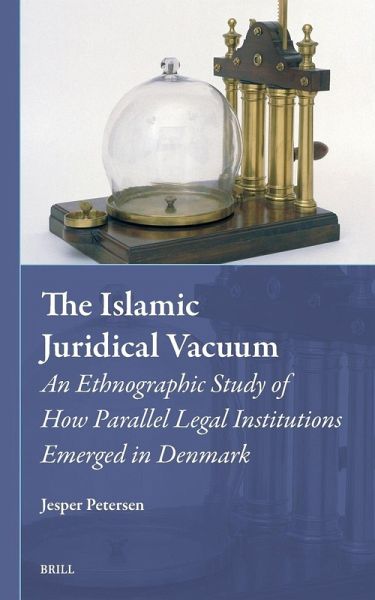
Based on seven years of ethnographic fieldwork in Denmark this study investigates how Islamic legal processes work before and after the emergence of Islamic divorce councils around 2021. The author begins by laying out a new methodology for the study of sharia, which leads him to several surprising conclusions. The study for example demonstrates that Islamic legal practices constitute an integrated part of how the Danish welfare state operates, that female Muslim leaders play important roles in Islamic divorce processes, and that the demand for Islamic divorce councils is generated as a byproduct of Muslim women's agency.