
Andere Kunden interessierten sich auch für
 PostgreSQL Database administration Vol. 0120,99 €
") On Turtles and Dragons and the Dangerous Quest for a Media Art Notation System (version 1.2)17,99 €
On Turtles and Dragons and the Dangerous Quest for a Media Art Notation System (version 1.2)17,99 € The World's Best in Fine Art...Nothing Less - Version in Danish41,99 €
 Explorations and Discoveries in Mathematics Using the Geometer's Sketchpad Version 4 or Version 5 Compact Disc52,99 €
 Free Open Source Antivirus Software Untuk Sistem Operasi Ubuntu Linux Edisi Bahasa Inggris Lite Version17,99 €
 Free Opensource Antivirus Software For Ubuntu Linux English Edition Lite Version16,99 €
") Sybase ASE SQL Developer Professional Exam (Version 15.0)16,99 €
Sybase ASE SQL Developer Professional Exam (Version 15.0)16,99 €


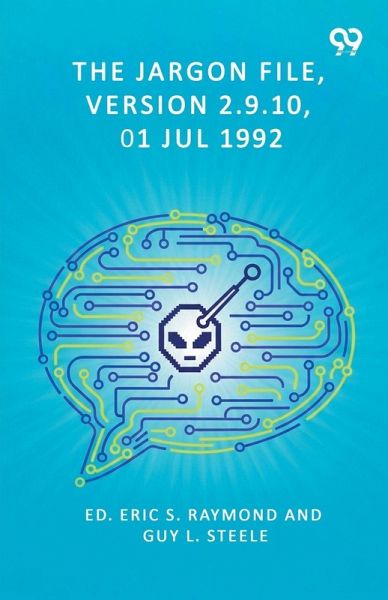
The jargon file version 2.9.10, 01 Jul 1992 is a curated collection of hacker slang and cultural terminology that captures the wit, creativity, and shared traditions of the hacker community. Compiled during a period when computing culture was rapidly evolving, it serves not only as a glossary but as a snapshot of the informal language and insider humor that bonds this subculture. In its introduction, the work explains that while some entries touch on technical topics, the emphasis lies on playful, inventive communication that reinforces group identity and fosters inclusion among members. The document records the historical development of these expressions, preserving linguistic nuances that distinguish insiders from outsiders and reflect the philosophies and values of the community. By combining cultural anecdotes, word origins, and the evolution of coded language, it offers readers insight into the social frameworks that underpin hacker culture, making it both a linguistic archive and a testament to the enduring spirit of collaborative creativity.