Andere Kunden interessierten sich auch für
 Tom's Ice Cream Van & The Hungry Animals of the Jungle19,99 €
 The Incredible Rumble in the Jungle43,99 €
 Jingle in the Jungle20,99 €
") The Merry Adventures of Robin Hood (Ad Classic Library Edition)26,99 €
The Merry Adventures of Robin Hood (Ad Classic Library Edition)26,99 € POPIAU Bach: Yn y Jyngl! / Mini POPs: In the Jungle!7,99 €
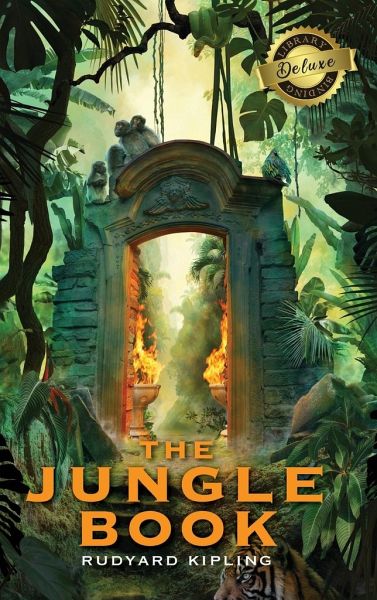
 The Jungle Book12,00 €
 Book's Fieldtrip in the Custodian's Cart20,99 €


The tales in The Jungle Book are fables, using animals in an anthropomorphic manner to give moral lessons. The verses of "The Law of the Jungle," for example, lay down rules for the safety of individuals, families, and communities. Stories include the tale of "Rikki-Tikki-Tavi", the tale of a heroic mongoose, and "Toomai of the Elephants", the tale of a young elephant-handler. The best-known fables are the three stories revolving around the adventures of Mowgli, an abandoned 'man-cub' who is raised by wolves in the Indian jungle. The Jungle Book came to be used as a motivational book by the Cub Scouts, a junior element of the Scouting movement. This use of the book's universe was approved by Kipling at the request of Robert Baden-Powell, founder of the Scouting movement, who had originally asked for the author's permission for the use of the Memory Game from Kim in his scheme to develop the morale and fitness of working-class youths in cities. Akela, the head wolf in The Jungle Book, has become a senior figure in the movement, the name being traditionally adopted by the leader of each Cub Scout pack.
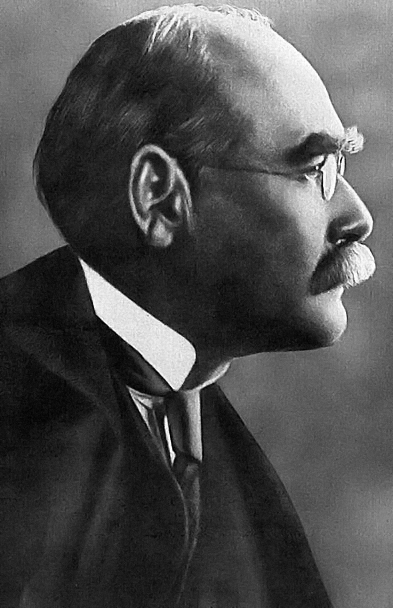
Joseph Rudyard Kipling was an English artist, brief tale essayist, and author, primarily associated with his works for young children and supporting the British government. He was born in British India in the nineteenth century and was shipped off to England when he was six years old for his schooling. Later, he got back to India to start his profession as a columnist, however, shortly after coming here, he went back to his native country where he focused full time on writing. After his marriage, he lived for certain years in Vermont, USA, before returning to England. He was a skilled author whose books for children are respected as a work for children writing. It is accepted that at one point he was offered artist laureateship and on a few other events, he was considered for knighthood, yet he denied them. Be that as it may, he accepted the Nobel Prize in Literature, which made him the main English essayist to get the honour. Joseph Rudyard Kipling was born on 30th December, 1865 in Bombay (Mumbai), then known as British India. His parents named him after the Rudyard Lake in Staffordshire, where they had met. His father, John Lockwood Kipling, was an artist and stoneware originator from North Yorkshire. After his marriage to Alice MacDonald, the young girl of Reverend George Browne MacDonald, they moved to India where he was delegated as a teacher of design form in the Jeejeebhoy School of Art. Rudyard had a sister, likewise named Alice, three years junior to him. Like most other British youngsters in India, they enjoyed most of the day with Indian babysitters and workers, paying attention to the extraordinary stories they told in their local tongue and exploring neighbourhood markets with them. Subsequently, Rudyard turned out to be more fluent in their language than in English. However, every one of these changed unexpectedly in 1871, when both the siblings were sent to homes in England to be instructed under the British framework. Showing up in England in October, they set up with Captain Pryse Agar Holloway and his significant other Sarah, who boarded offspring of British nationals serving in India in their home at Southsea, Portsmouth. Here he confessed to a school, however, found it difficult to change. Life at the cultivated home was difficult by the same token. ...