
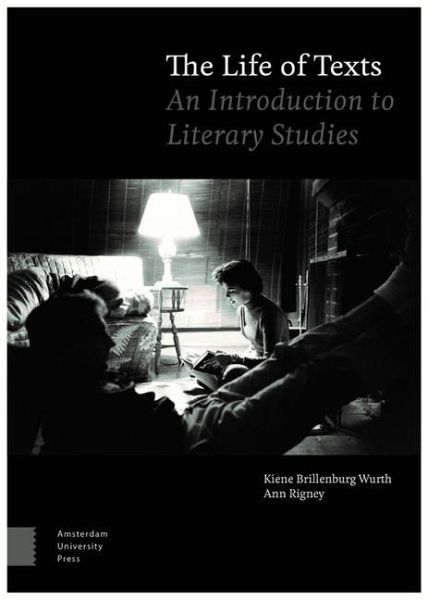
- Broschiertes Buch
- Merkliste
- Auf die Merkliste
- Bewerten Bewerten
- Teilen
- Produkt teilen
- Produkterinnerung
- Produkterinnerung
An English and updated version of the popular introduction to literary studies.
Andere Kunden interessierten sich auch für
 C.P. CavafyThe Barbarians Arrive Today26,99 €
 Yannis RitsosYannis Ritsos30,99 €
") Miltos SachtourisPoems (1945-1971)12,99 €
Miltos SachtourisPoems (1945-1971)12,99 € Eugene WebbThe Dark Dove35,99 €
 Phoebe GiannisiChimera13,99 €
 The Edinburgh History of Reading42,99 €
 Thomas GloningA History of the German Language Through Texts70,99 €
-
-
-
Produktdetails
- Produktdetails
- Verlag: Amsterdam University Press
- 2 ed
- Seitenzahl: 432
- Erscheinungstermin: 28. August 2019
- Englisch
- Abmessung: 237mm x 169mm x 25mm
- Gewicht: 810g
- ISBN-13: 9789463720830
- ISBN-10: 9463720839
- Artikelnr.: 57357163
- Herstellerkennzeichnung
- Libri GmbH
- Europaallee 1
- 36244 Bad Hersfeld
- gpsr@libri.de
- Verlag: Amsterdam University Press
- 2 ed
- Seitenzahl: 432
- Erscheinungstermin: 28. August 2019
- Englisch
- Abmessung: 237mm x 169mm x 25mm
- Gewicht: 810g
- ISBN-13: 9789463720830
- ISBN-10: 9463720839
- Artikelnr.: 57357163
- Herstellerkennzeichnung
- Libri GmbH
- Europaallee 1
- 36244 Bad Hersfeld
- gpsr@libri.de
Kiene Brillenburg Wurth is professor of Literature and Comparative Media at Utrecht University. Ann Rigney is Professor of Comparative Literature at Utrecht University. She has published widely on theories of cultural memory and on memory cultures in Europe in the 19th and 20th centuries. Her books include The Afterlives of Walter Scott (OUP, 2021) and Transnational Memory (co-edited with C. De Cesari, De Gruyter, 2014). She is Principal Investigator on the ERC-funded project Remembering Activism: The Cultural Memory of Protest in Europe (ReAct) (2019-2024).
Foreword, Acknowledgements, SECTION 1: INTRODUCTION Chapter 1: The Field
Ann Rigney 1.1 Introduction: Academic frameworks 1.2 Knowledge production
is work in progress 1.3 Academic disciplines: Hard and 'soft'? 1.4
Humanities and the study of culture 1.5 Cultural studies and its challenges
1.6 Literary studies at an interdisciplinary crossroads 1.7 Areas of
specialisation within literary studies 1.8 In conclusion: Discipline and
diversity Chapter 2: The Many Dimensions of Literature Ann Rigney 2.1
Introduction: Durable texts 2.2 Poetic language 2.3 Narrative 2.4
Reflection 2.5 Pleasure 2.6 Classification: Genres 2.7 Valuation and canon
formation 2.8 In conclusion: The intersection of text and value SECTION 2:
TEXTS Chapter 3: Texts and Intertextuality Ann Rigney 3.1 Introduction: The
Greats escape 3.2 Texts 3.3 Intertextuality: The relationships between
texts 3.4 Singularity: Between old and new 3.5 In conclusion: The undead
author Chapter 4: Intermedial Poetics Kiene Brillenburg Wurth 4.1
Introduction: Intermediality and the poetic 4.2 Poetic theory, poetry, and
beyond 4.3 Rhythm and metre in sound and image 4.4 Irony 4.5 Metaphor and
montage 4.6 Transmediality and remediation 4.7 Intermedia, intermediality,
and multimediality 4.8 In conclusion: Literary studies and media studies
Chapter 5: Narrative Ann Rigney 5.1 Introduction: Narratology 5.2 Narrative
and story: Two sides of the same coin 5.3 Characters and their world 5.4
Plot models 5.5 Narrative techniques 5.6 Identity and identification:
Gender 5.7 In conclusion: What is a fulfilled life? SECTION 3: READING
Chapter 6: Readers, Reading Kiene Brillenburg Wurth 6.1 Introduction 6.2 A
Short History of Reading I: Writing to print 6.3 A Short History of Reading
II: Print and beyond 6.4 How Texts Engage their readers 6.5 Reception
studies 6.6 Cognitive and sociological studies of reading 6.7 In
conclusion: The agency of readers Chapter 7: Meaning and Interpretation
Kiene Brillenburg Wurth 7.1 Introduction: interpretation and meaning-making
7.2 The work of interpretation: allegoresis and hermeneutics 7.3 Dialogic
hermeneutics 7.4 Signs and signification: a semiological perspective 7.5
Word, after word, after word: Différance and deconstruction 7.6 In
conclusion: The range of interpretation Chapter 8: Between Elite and Mass
Culture Kiene Brillenburg Wurth 8.1 Introduction: canons and canon debates
8.2 Mass culture and artistic culture 8.3 Symbolic capital and cultural
elite 8.4 Folk and elite culture intertwined 8.5 Canon-makers and
canon-breakers 8.6 There is art in mass media 8.7 In conclusion: power to
the users SECTION 4: CONTEXTUAL APPROACHES Chapter 9: Imagination in a
Changing World Ann Rigney 9.1 Introduction: A happy househusband 9.2 Texts
and cultural context 9.3 Why does literature keep changing, and how? 9.4
Can literature change the world? 9.5 Case study: Ecocriticism 9.6 In
conclusion Chapter 10: Literature and Postcolonial Criticism Kiene
Brillenburg Wurth 10.1 Introduction: spaces in the background 10.2
Imperialism, colonialism, postcolonialism, and the decolonial 10.3 Colonial
discourses and the question of power 10.4 Analysing colonial discourses,
interrogating power and identity 10.5 Postcolonial literature: The Other
writes back 10.6 In conclusion: texts and cultural identities Chapter 11:
Literature and Cultural Memory Ann Rigney 11.1 Introduction: literature
in/and time 11.2 Cultural memory studies 11.3 Narrating events 11.4
Remediation and the dynamics of cultural memory 11.5 Literature and
'unforgetting' 11.6 Canons and their contestation 11.7 In conclusion:
literature and collective identities, GLOSSARY, SCHOOLS IN LITERARY
STUDIES, LIST OF ILLUSTRATIONS.
Ann Rigney 1.1 Introduction: Academic frameworks 1.2 Knowledge production
is work in progress 1.3 Academic disciplines: Hard and 'soft'? 1.4
Humanities and the study of culture 1.5 Cultural studies and its challenges
1.6 Literary studies at an interdisciplinary crossroads 1.7 Areas of
specialisation within literary studies 1.8 In conclusion: Discipline and
diversity Chapter 2: The Many Dimensions of Literature Ann Rigney 2.1
Introduction: Durable texts 2.2 Poetic language 2.3 Narrative 2.4
Reflection 2.5 Pleasure 2.6 Classification: Genres 2.7 Valuation and canon
formation 2.8 In conclusion: The intersection of text and value SECTION 2:
TEXTS Chapter 3: Texts and Intertextuality Ann Rigney 3.1 Introduction: The
Greats escape 3.2 Texts 3.3 Intertextuality: The relationships between
texts 3.4 Singularity: Between old and new 3.5 In conclusion: The undead
author Chapter 4: Intermedial Poetics Kiene Brillenburg Wurth 4.1
Introduction: Intermediality and the poetic 4.2 Poetic theory, poetry, and
beyond 4.3 Rhythm and metre in sound and image 4.4 Irony 4.5 Metaphor and
montage 4.6 Transmediality and remediation 4.7 Intermedia, intermediality,
and multimediality 4.8 In conclusion: Literary studies and media studies
Chapter 5: Narrative Ann Rigney 5.1 Introduction: Narratology 5.2 Narrative
and story: Two sides of the same coin 5.3 Characters and their world 5.4
Plot models 5.5 Narrative techniques 5.6 Identity and identification:
Gender 5.7 In conclusion: What is a fulfilled life? SECTION 3: READING
Chapter 6: Readers, Reading Kiene Brillenburg Wurth 6.1 Introduction 6.2 A
Short History of Reading I: Writing to print 6.3 A Short History of Reading
II: Print and beyond 6.4 How Texts Engage their readers 6.5 Reception
studies 6.6 Cognitive and sociological studies of reading 6.7 In
conclusion: The agency of readers Chapter 7: Meaning and Interpretation
Kiene Brillenburg Wurth 7.1 Introduction: interpretation and meaning-making
7.2 The work of interpretation: allegoresis and hermeneutics 7.3 Dialogic
hermeneutics 7.4 Signs and signification: a semiological perspective 7.5
Word, after word, after word: Différance and deconstruction 7.6 In
conclusion: The range of interpretation Chapter 8: Between Elite and Mass
Culture Kiene Brillenburg Wurth 8.1 Introduction: canons and canon debates
8.2 Mass culture and artistic culture 8.3 Symbolic capital and cultural
elite 8.4 Folk and elite culture intertwined 8.5 Canon-makers and
canon-breakers 8.6 There is art in mass media 8.7 In conclusion: power to
the users SECTION 4: CONTEXTUAL APPROACHES Chapter 9: Imagination in a
Changing World Ann Rigney 9.1 Introduction: A happy househusband 9.2 Texts
and cultural context 9.3 Why does literature keep changing, and how? 9.4
Can literature change the world? 9.5 Case study: Ecocriticism 9.6 In
conclusion Chapter 10: Literature and Postcolonial Criticism Kiene
Brillenburg Wurth 10.1 Introduction: spaces in the background 10.2
Imperialism, colonialism, postcolonialism, and the decolonial 10.3 Colonial
discourses and the question of power 10.4 Analysing colonial discourses,
interrogating power and identity 10.5 Postcolonial literature: The Other
writes back 10.6 In conclusion: texts and cultural identities Chapter 11:
Literature and Cultural Memory Ann Rigney 11.1 Introduction: literature
in/and time 11.2 Cultural memory studies 11.3 Narrating events 11.4
Remediation and the dynamics of cultural memory 11.5 Literature and
'unforgetting' 11.6 Canons and their contestation 11.7 In conclusion:
literature and collective identities, GLOSSARY, SCHOOLS IN LITERARY
STUDIES, LIST OF ILLUSTRATIONS.
Foreword, Acknowledgements, SECTION 1: INTRODUCTION Chapter 1: The Field
Ann Rigney 1.1 Introduction: Academic frameworks 1.2 Knowledge production
is work in progress 1.3 Academic disciplines: Hard and 'soft'? 1.4
Humanities and the study of culture 1.5 Cultural studies and its challenges
1.6 Literary studies at an interdisciplinary crossroads 1.7 Areas of
specialisation within literary studies 1.8 In conclusion: Discipline and
diversity Chapter 2: The Many Dimensions of Literature Ann Rigney 2.1
Introduction: Durable texts 2.2 Poetic language 2.3 Narrative 2.4
Reflection 2.5 Pleasure 2.6 Classification: Genres 2.7 Valuation and canon
formation 2.8 In conclusion: The intersection of text and value SECTION 2:
TEXTS Chapter 3: Texts and Intertextuality Ann Rigney 3.1 Introduction: The
Greats escape 3.2 Texts 3.3 Intertextuality: The relationships between
texts 3.4 Singularity: Between old and new 3.5 In conclusion: The undead
author Chapter 4: Intermedial Poetics Kiene Brillenburg Wurth 4.1
Introduction: Intermediality and the poetic 4.2 Poetic theory, poetry, and
beyond 4.3 Rhythm and metre in sound and image 4.4 Irony 4.5 Metaphor and
montage 4.6 Transmediality and remediation 4.7 Intermedia, intermediality,
and multimediality 4.8 In conclusion: Literary studies and media studies
Chapter 5: Narrative Ann Rigney 5.1 Introduction: Narratology 5.2 Narrative
and story: Two sides of the same coin 5.3 Characters and their world 5.4
Plot models 5.5 Narrative techniques 5.6 Identity and identification:
Gender 5.7 In conclusion: What is a fulfilled life? SECTION 3: READING
Chapter 6: Readers, Reading Kiene Brillenburg Wurth 6.1 Introduction 6.2 A
Short History of Reading I: Writing to print 6.3 A Short History of Reading
II: Print and beyond 6.4 How Texts Engage their readers 6.5 Reception
studies 6.6 Cognitive and sociological studies of reading 6.7 In
conclusion: The agency of readers Chapter 7: Meaning and Interpretation
Kiene Brillenburg Wurth 7.1 Introduction: interpretation and meaning-making
7.2 The work of interpretation: allegoresis and hermeneutics 7.3 Dialogic
hermeneutics 7.4 Signs and signification: a semiological perspective 7.5
Word, after word, after word: Différance and deconstruction 7.6 In
conclusion: The range of interpretation Chapter 8: Between Elite and Mass
Culture Kiene Brillenburg Wurth 8.1 Introduction: canons and canon debates
8.2 Mass culture and artistic culture 8.3 Symbolic capital and cultural
elite 8.4 Folk and elite culture intertwined 8.5 Canon-makers and
canon-breakers 8.6 There is art in mass media 8.7 In conclusion: power to
the users SECTION 4: CONTEXTUAL APPROACHES Chapter 9: Imagination in a
Changing World Ann Rigney 9.1 Introduction: A happy househusband 9.2 Texts
and cultural context 9.3 Why does literature keep changing, and how? 9.4
Can literature change the world? 9.5 Case study: Ecocriticism 9.6 In
conclusion Chapter 10: Literature and Postcolonial Criticism Kiene
Brillenburg Wurth 10.1 Introduction: spaces in the background 10.2
Imperialism, colonialism, postcolonialism, and the decolonial 10.3 Colonial
discourses and the question of power 10.4 Analysing colonial discourses,
interrogating power and identity 10.5 Postcolonial literature: The Other
writes back 10.6 In conclusion: texts and cultural identities Chapter 11:
Literature and Cultural Memory Ann Rigney 11.1 Introduction: literature
in/and time 11.2 Cultural memory studies 11.3 Narrating events 11.4
Remediation and the dynamics of cultural memory 11.5 Literature and
'unforgetting' 11.6 Canons and their contestation 11.7 In conclusion:
literature and collective identities, GLOSSARY, SCHOOLS IN LITERARY
STUDIES, LIST OF ILLUSTRATIONS.
Ann Rigney 1.1 Introduction: Academic frameworks 1.2 Knowledge production
is work in progress 1.3 Academic disciplines: Hard and 'soft'? 1.4
Humanities and the study of culture 1.5 Cultural studies and its challenges
1.6 Literary studies at an interdisciplinary crossroads 1.7 Areas of
specialisation within literary studies 1.8 In conclusion: Discipline and
diversity Chapter 2: The Many Dimensions of Literature Ann Rigney 2.1
Introduction: Durable texts 2.2 Poetic language 2.3 Narrative 2.4
Reflection 2.5 Pleasure 2.6 Classification: Genres 2.7 Valuation and canon
formation 2.8 In conclusion: The intersection of text and value SECTION 2:
TEXTS Chapter 3: Texts and Intertextuality Ann Rigney 3.1 Introduction: The
Greats escape 3.2 Texts 3.3 Intertextuality: The relationships between
texts 3.4 Singularity: Between old and new 3.5 In conclusion: The undead
author Chapter 4: Intermedial Poetics Kiene Brillenburg Wurth 4.1
Introduction: Intermediality and the poetic 4.2 Poetic theory, poetry, and
beyond 4.3 Rhythm and metre in sound and image 4.4 Irony 4.5 Metaphor and
montage 4.6 Transmediality and remediation 4.7 Intermedia, intermediality,
and multimediality 4.8 In conclusion: Literary studies and media studies
Chapter 5: Narrative Ann Rigney 5.1 Introduction: Narratology 5.2 Narrative
and story: Two sides of the same coin 5.3 Characters and their world 5.4
Plot models 5.5 Narrative techniques 5.6 Identity and identification:
Gender 5.7 In conclusion: What is a fulfilled life? SECTION 3: READING
Chapter 6: Readers, Reading Kiene Brillenburg Wurth 6.1 Introduction 6.2 A
Short History of Reading I: Writing to print 6.3 A Short History of Reading
II: Print and beyond 6.4 How Texts Engage their readers 6.5 Reception
studies 6.6 Cognitive and sociological studies of reading 6.7 In
conclusion: The agency of readers Chapter 7: Meaning and Interpretation
Kiene Brillenburg Wurth 7.1 Introduction: interpretation and meaning-making
7.2 The work of interpretation: allegoresis and hermeneutics 7.3 Dialogic
hermeneutics 7.4 Signs and signification: a semiological perspective 7.5
Word, after word, after word: Différance and deconstruction 7.6 In
conclusion: The range of interpretation Chapter 8: Between Elite and Mass
Culture Kiene Brillenburg Wurth 8.1 Introduction: canons and canon debates
8.2 Mass culture and artistic culture 8.3 Symbolic capital and cultural
elite 8.4 Folk and elite culture intertwined 8.5 Canon-makers and
canon-breakers 8.6 There is art in mass media 8.7 In conclusion: power to
the users SECTION 4: CONTEXTUAL APPROACHES Chapter 9: Imagination in a
Changing World Ann Rigney 9.1 Introduction: A happy househusband 9.2 Texts
and cultural context 9.3 Why does literature keep changing, and how? 9.4
Can literature change the world? 9.5 Case study: Ecocriticism 9.6 In
conclusion Chapter 10: Literature and Postcolonial Criticism Kiene
Brillenburg Wurth 10.1 Introduction: spaces in the background 10.2
Imperialism, colonialism, postcolonialism, and the decolonial 10.3 Colonial
discourses and the question of power 10.4 Analysing colonial discourses,
interrogating power and identity 10.5 Postcolonial literature: The Other
writes back 10.6 In conclusion: texts and cultural identities Chapter 11:
Literature and Cultural Memory Ann Rigney 11.1 Introduction: literature
in/and time 11.2 Cultural memory studies 11.3 Narrating events 11.4
Remediation and the dynamics of cultural memory 11.5 Literature and
'unforgetting' 11.6 Canons and their contestation 11.7 In conclusion:
literature and collective identities, GLOSSARY, SCHOOLS IN LITERARY
STUDIES, LIST OF ILLUSTRATIONS.