
Andere Kunden interessierten sich auch für
 The Light Dragoon18,99 €
 Light And Darkness; Or, The Shadow Of Fate, A Story Of Fashionable Life23,99 €
 The new light17,99 €
 By-Paths of Bible Knowledge, XVII; The Life and Times of Joseph in the Light of Egyptian Lore17,99 €
 Battery D, First Rhode Island Light Artillery, in the Civil War, 1861-186517,99 €
 Journal of a Soldier of the Seventy-First, or Glasgow Regiment, Highland Light Infantry, from 1806-181515,99 €
") The fundamental principles of taxation in the light of modern developments (the Newmarch lectures for 1919)18,99 €
The fundamental principles of taxation in the light of modern developments (the Newmarch lectures for 1919)18,99 €







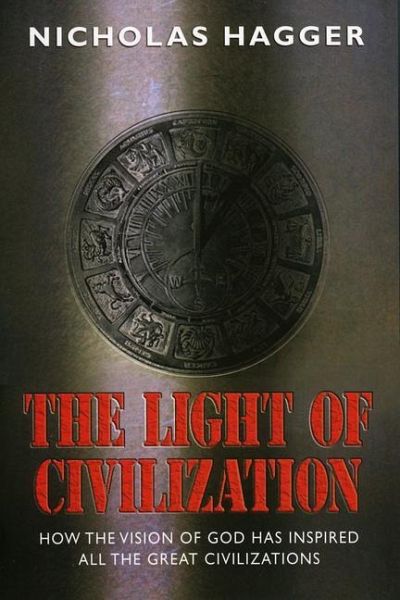
Understanding the nature of civilization is more key than ever today with huge changes like the collapse of the Soviet Empire and the hostility of Arab civilization towards the West. Hagger sees civilizations as growing around a human response to the spiritual vision of God as Light. This passes into their religions and expresses itself in culture, particularly in buildings. They decline through progressively secularizing stages when their central idea of the Light is lost. The revival of the metaphysical vision in our time could lead to its culminating stage being that of a world government.