
Andere Kunden interessierten sich auch für
 Occult Chemistry12,99 €
 Occult Chemistry15,99 €
 The Banshee17,99 €
 Mules and Men12,99 €
 The Lost City of the Exodus15,99 €
 The Lost Continent of Pan18,99 €
 The 1886 Bulletin of the Supreme Council for France Concerning Joseph Cerneau15,99 €



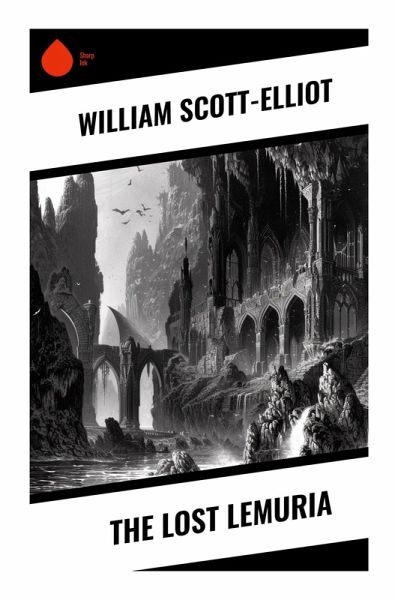
In 'The Lost Lemuria,' William Scott-Elliot presents a captivating exploration of the mythical continent of Lemuria, purportedly situated in the Indian and Pacific Oceans. Blending elements of speculative fiction, esoteric philosophy, and historical narrative, Scott-Elliot constructs a vivid tableau of an advanced civilization steeped in spiritual wisdom and scientific marvels. The novel is marked by its rich descriptive prose and imaginative world-building, which invite readers to contemplate the intersection of myth, history, and the possibility of lost civilizations. Positioned within the late 19th-early 20th century literary context, the book engages with contemporary fascination for the occult and the questioning of orthodox historical narratives, capturing the zeitgeist of an era eager for revelation and exploration beyond the known boundaries of existence. William Scott-Elliot, a British author and theosophist, was deeply influenced by the spiritual currents of his time, particularly those surrounding theosophy and Atlantis. His professional background as a writer enabled him to articulate complex ideas regarding spiritual evolution and the metaphysical dimensions of lost worlds. With a keen interest in ancient civilizations and spiritual philosophies, Scott-Elliot's work reflects both his scholarly pursuits and personal convictions, blending imagination with what he perceived as spiritual truths. Readers interested in the confluence of myth and history will find 'The Lost Lemuria' an engrossing journey into a past that mingles profound mystery with introspective reflection. Ideal for enthusiasts of speculative fiction and those captivated by theosophical discourses, this book not only entertains but also provokes thought about humanity's spiritual heritage and the eternal quest for understanding.