
Andere Kunden interessierten sich auch für
 Hans Holbein's Madonna von Solothurn und der Stifter Nicolaus Conrad17,99 €
 The Venetian School of Painting25,99 €
") The Complete Woodcuts of Albrecht Dürer (Dover Fine Art, History of Art)35,99 €
The Complete Woodcuts of Albrecht Dürer (Dover Fine Art, History of Art)35,99 € A History of Painting in Italy, Umbria, Florence and Siena, From the Second to the Sixteenth Century; Volume 530,99 €
 The History Of Painting In Italy,: The Schools Of Lombardy, Mantua, Modena, Parma, Cremona, And Milan23,99 €
 Tuscan Sculpture of the Fifteenth Century: A Collection of Sixteen Pictures Reproducing Works by Donatello, the Della Robbia, Mina Da Fiesole, and Oth17,99 €
 A History of Painting in Italy26,99 €

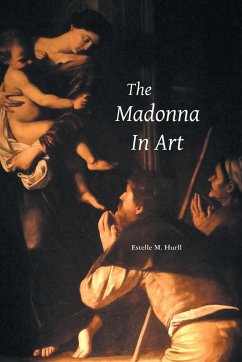
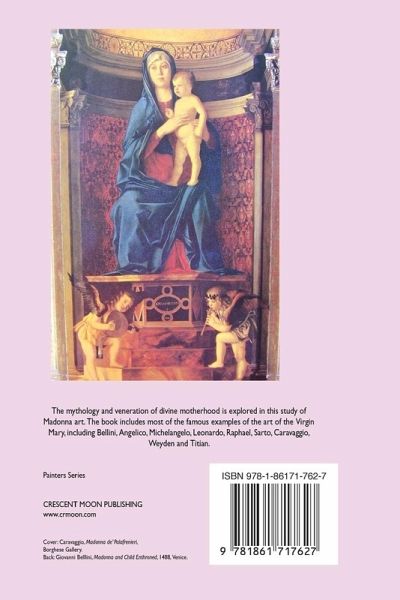
THE MADONNA IN ART By Estelle M. Hurll A book about representations of the Virgin Mary in art. The book (first published in 1898) is illustrated by works of the many incarnations of the Madonna in art history, including mother and child, the pastoral Madonna, the Madonna in adoration, and the Madonna enthroned. As Hurll explains, the book ' is a study of Madonna art as a revelation of motherhood'. Paperback edition, with a full colour cover. Fully illustrated in a brand new format. Includes bibliography. 192 pages. www.crmoon.com