
Andere Kunden interessierten sich auch für
 The Madonna of the Future18,99 €
 Ruskin and the Religion of Beauty23,99 €
 The Lay of the Cid17,99 €
 The Two Boyhoods; the Slave Ship; the Mountain Gloom; the Mountain Glory; Venice; St. Mark's; Art and Morals: The Mystery of Life; Peace20,99 €
 Art & Religion22,99 €
 On art and Artists24,99 €
 Art in the Modern State22,99 €




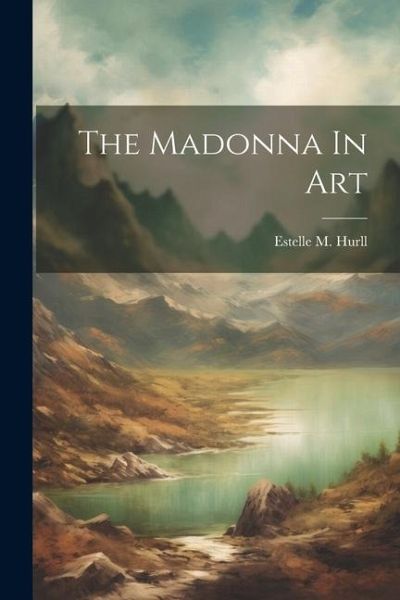
This book is a comprehensive study that explores the significance of the Madonna as a religious icon in art throughout history. Hurll examines the cultural, social, and theological influence of the Madonna in the art world and provides readers with a deeper understanding of the power of religious art. With beautiful illustrations and in-depth analysis, this book is a must-read for art historians and enthusiasts alike. This work has been selected by scholars as being culturally important, and is part of the knowledge base of civilization as we know it. This work is in the "public domain in the United States of America, and possibly other nations. Within the United States, you may freely copy and distribute this work, as no entity (individual or corporate) has a copyright on the body of the work. Scholars believe, and we concur, that this work is important enough to be preserved, reproduced, and made generally available to the public. We appreciate your support of the preservation process, and thank you for being an important part of keeping this knowledge alive and relevant.