
Andere Kunden interessierten sich auch für
 Ferguson's Gang - The Maidens behind the Masks18,99 €
 The Mortal Moon or Bacon and his Masks28,99 €
 The Book of Masks22,99 €
 Test Of Gas Masks And Respirators For Protection From Locomotive Smoke In Railroad Tunnels With Analysies Of Tunnel Atmospheres14,99 €
 Black Skins, Black Masks52,99 €
 Masks and Minstrels of new Germany22,99 €
 The Mask That Laughs at Empire15,99 €

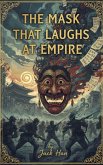
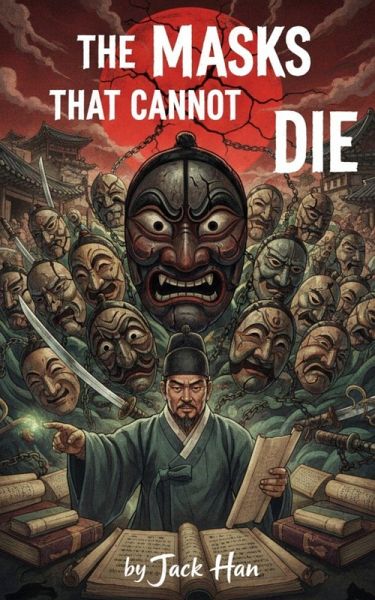
Seoul, 1946. Liberation has come, but the wounds remain. In the ruins of a teahouse near Jongno, a troupe of talchum performers gathers around a sacred mask-cracked during a Japanese police raid, half-burned, blackened with soot. For years, they survived by burying their art, whispering forbidden songs, and dancing in secret. Now, in the uncertain days after occupation, they must decide: is it safe to laugh again? Old Cho wraps the broken mask like an injured friend and makes a choice: "We've all broken, so let's dance as we are." What follows is a ritual of remembrance-stories the war tried to erase, told through the language of fools and monks, widows and butchers. But when soldiers arrive with rifles raised, something miraculous happens. The mask flies into the night sky, and for one breathtaking moment, everyone sees it whole again. A lyrical tale of cultural resistance, where laughter becomes sacred rebellion and broken things become holy. Based on the true spirit of Korean mask dance traditions that survived empire, erasure, and time itself. "The tal taught a nation that the face of resistance could be joyful, that dignity could dance, and that no empire-however powerful-can silence a people who still remember how to laugh."