

Andere Kunden interessierten sich auch für
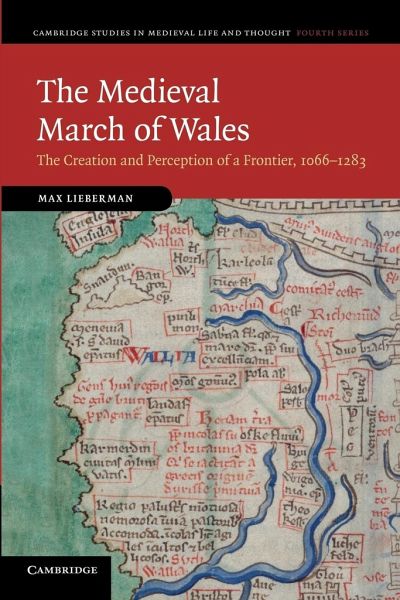
 The Medieval March of Wales103,99 €
") In The March And Borderland Of Wales (1905)36,99 €
In The March And Borderland Of Wales (1905)36,99 € The Medieval Castle in England and Wales61,99 €
 The March of the Women208,99 €
 No. 38, March 20, 1841") The Irish Penny Journal, (Volume I) No. 38, March 20, 184114,99 €
The Irish Penny Journal, (Volume I) No. 38, March 20, 184114,99 € The March of the Women81,99 €
 No. 37, March 13, 1841") The Irish Penny Journal, (Volume I) No. 37, March 13, 184114,99 €
The Irish Penny Journal, (Volume I) No. 37, March 13, 184114,99 €






This book examines the making of the March of Wales and the crucial role its lords played in the politics of medieval Britain between the Norman conquest of England of 1066 and the English conquest of Wales in 1283. Max Lieberman argues that the Welsh borders of Shropshire, which were first, from c.1165, referred to as Marchia Wallie, provide a paradigm for the creation of the March. He reassesses the role of William the Conqueror's tenurial settlement in the making of the March and sheds new light on the ways in which seigneurial administrations worked in a cross-cultural context. Finally, he explains why, from c.1300, the March of Wales included the conquest territories in south Wales as well as the highly autonomous border lordships. This book makes a significant and original contribution to frontier studies, investigating both the creation and the changing perception of a medieval borderland.