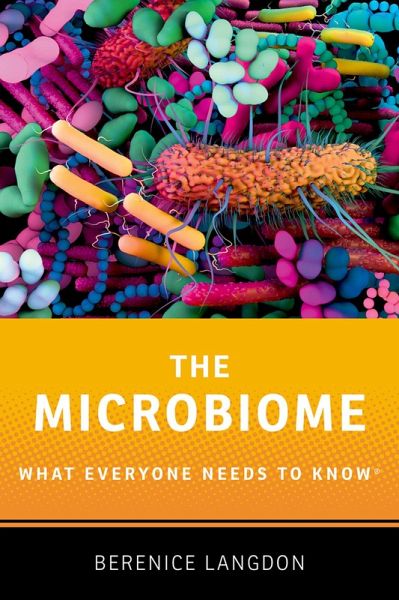
A lively guide to the fast-moving and fascinating debates on what is going on with the trillions of microorganisms that live on and around us, and what we need to know to keep ourselves healthy. There are microbiomes--communities of microbes--everywhere we can imagine: in every environment, on every surface, and in every creature, including us. They are an inevitable, if largely invisible, part of life, and understanding how our microbiome works can improve our health. In The Microbiome: What Everyone Needs to Know®, Dr. Berenice Langdon provides a foundational understanding of the microbiome…mehr
A lively guide to the fast-moving and fascinating debates on what is going on with the trillions of microorganisms that live on and around us, and what we need to know to keep ourselves healthy. There are microbiomes--communities of microbes--everywhere we can imagine: in every environment, on every surface, and in every creature, including us. They are an inevitable, if largely invisible, part of life, and understanding how our microbiome works can improve our health. In The Microbiome: What Everyone Needs to Know®, Dr. Berenice Langdon provides a foundational understanding of the microbiome and what it does--and does not--do. Tracing the history of microbiome research, up to the most recent scientific advancements, she dispels common misunderstandings to better acquaint readers with the form and function of the human body's microbial community. In an accessible style, Dr. Langdon covers the microbiomes of the human body--from the skin to the gut-brain axis, the growing microbiome industry, the creation of the microbiome on newborns, the effects of microbiome changes, and even the possibilities for microbiome evolution into the future. In a fast-moving and oft-overhyped area of research, The Microbiome is a timely and significant contribution to the What Everyone Needs to Know® series.
Dr. Berenice Langdon is a Senior Lecturer and Honorary Consultant at City, St George's, University of London. She is also a general practitioner in South West London. She became clinical teaching consultant at St George's Medical school in 2020, advising on infection curriculum development, and Clinical Senior Lecturer in 2023. Dr. Langdon trained in Medicine at the Royal London Hospital Medical School and obtained her BSc Genetics at Edinburgh University. She has authored Learning Microbiology through Clinical Consultation, a textbook for medical students, and over twenty science and medical articles for The Independent.
Inhaltsangabe
* Acknowledgements * Chapter 1: What Is the Microbiome and Why Should I Care about It? * What is the microbiome? * Why should I care about the Microbiome? * Which microbes are in the microbiome? * Who was the first person to see microbes? * When was the microbiome first described? * What exactly is Germ theory and how does it fit in with the microbiome? * Chapter 2: Where are Microbiomes Found and How Do We Know? * What is the Environmental Microbiome? * What is the Bioaerosol? * What does the Ocean microbiome do? * What does the Soil microbiome do? * Is it possible to remove the Microbiome? * Can animals survive without a microbiome? * How are germ-free animals housed? * Can a Human live without a Microbiome? * How has Environmental research affected Human Microbiome Science? * What is16SrRNA sequencing? * What is metagenomic sequencing? * What is the Human Microbiome Project? * Chapter 3: The Microbiome and the Skin * Are there microbes in our skin as well as on our skin? * Is our skin an attractive living place for microbes? * How do we know which microbes are on our skin? * Which microbes are on our skin right now? * Which bacteria are part of our skin microbiome, and which are temporary? * Where do we get our skin microbiome from? * What happens to our skin microbiome when we wash? * What is better, soap or hand sterilizer? * Is the microbiome the cause of dermatological problems such as eczema? * Chapter 4: How do New-born Babies get their Microbiome? * How long does It take a baby to get a microbiome? * How do we know what is happening? * Does the baby's microbiome change over time? * Which bacteria are in a baby's microbiome? * Do babies get their bacteria from the mother's vagina? * Where do babies born by caesarean get their bacteria from? * Does missing out on bacteria at birth cause future health problems? * How do Anaerobic Bacteria survive the transfer? * Are New-born Babies Born Sterile? * How reliable is microbiome research when studying 'low or no biomass' areas of the body? * How does the baby survive in a microbial world? * Does the fetal microbiome cause problems for the new-born? * What are bifidobacteria? * Chapter 5: The Microbiome and the Gut * Should I get a gut test to check my microbes? * What does the intestinal tract look like from the inside? * Which microbes are in the Gut? * How reliable is microbiome research? * How do we get microbes in our Gut? * Are there microbes in our tap water? * Do we get gut microbes from our toilets? * Do the nutrients in our diet affect our microbiomes? * How can we make sense of the gut microbiome if the microbes in it are so variable? * Is there a Core Microbiome? * Does our gut microbiome affect our calorie intake? * Do all animals have a microbiome? * Can germ-free animals absorb their food properly? * Can we lose microbes from our gut microbiome? * Does our fiber intake affect our gut microbes? * Chapter 6: The Microbiome and the Brain * How long have we known about the link between the gut and the brain? * What is the Gut-Brain axis? * Does the gut and the brain work differently in Germ-free mice? * How do we study the brain and behaviors in mice? * What do Microbiome-gut-brain studies in mice show? * How could the gut microbiome be directing the gut-brain axis? * Do microbial metabolites affect the gut-brain axis? * Can microbes affect depression? * Could microbes have evolved to affect the gut-brain axis? * Chapter 7: The Microbiome and the Genitals * Why are the microbes of the genital tract important? * What was the importance of aseptic technique when it came to childbirth? * What did early research on the vaginal microbiome show? * What does vaginal discharge consist of? * Which microbes are in the vaginal microbiome? * What do the microbes in the vaginal microbiome do? * Do microbes from the vaginal microbiome cause post-puerperal infection? * Are vaginal examinations in pregnancy still a recognized cause of infections? * Are lactobacilli still regarded as a key vaginal microbe today? * Do all women have lactobacilli? * Which lifestyle factors can affect the composition of the vaginal microbiome? * What about the male genital microbiome? * Is the male urethra sterile? * What is bacterial vaginosis? * Chapter 8: Probiotics and the Microbiome Industry * What are Probiotics? * What other products does the Microbiome Industry support? * Where did the idea of manipulating our gut microbes first start? * What would make an effective probiotic? * What are some examples of well-known probiotic microbes? * Are probiotics regulated? * What does the research on probiotics show? * Do probiotics work for Antibiotic Associated Diarrhea? * Are probiotics safe? * What do Metagenomic techniques have to say about probiotics? * What is a Fecal Microbiota Transplant? * What is Clostridium difficile infection? * What are DIY Fecal Microbiota Transplants? * Are there any other microbiome therapies in the pipeline? * What is the supplement paradox? * Chapter 9: Loss of Microbiome Diversity * What do we mean by diversity? * Is research on the Microbiome diverse enough? * How is the microbiome different between people in urban areas compared to rural? * Do hunter gatherers have a distinctive microbiome? * What is the cause of these differences in microbiome diversity? * Can archaeological samples tell us about microbiome diversity in the past? * Can samples from other mammals show how our microbiome evolved? * Do the changes in our microbiome diversity have an impact on our health? * What is the hygiene hypothesis? * Can we rewild our microbiomes? * What will Future Human Microbiomes look like? * Conclusion * Notes * Index
* Acknowledgements * Chapter 1: What Is the Microbiome and Why Should I Care about It? * What is the microbiome? * Why should I care about the Microbiome? * Which microbes are in the microbiome? * Who was the first person to see microbes? * When was the microbiome first described? * What exactly is Germ theory and how does it fit in with the microbiome? * Chapter 2: Where are Microbiomes Found and How Do We Know? * What is the Environmental Microbiome? * What is the Bioaerosol? * What does the Ocean microbiome do? * What does the Soil microbiome do? * Is it possible to remove the Microbiome? * Can animals survive without a microbiome? * How are germ-free animals housed? * Can a Human live without a Microbiome? * How has Environmental research affected Human Microbiome Science? * What is16SrRNA sequencing? * What is metagenomic sequencing? * What is the Human Microbiome Project? * Chapter 3: The Microbiome and the Skin * Are there microbes in our skin as well as on our skin? * Is our skin an attractive living place for microbes? * How do we know which microbes are on our skin? * Which microbes are on our skin right now? * Which bacteria are part of our skin microbiome, and which are temporary? * Where do we get our skin microbiome from? * What happens to our skin microbiome when we wash? * What is better, soap or hand sterilizer? * Is the microbiome the cause of dermatological problems such as eczema? * Chapter 4: How do New-born Babies get their Microbiome? * How long does It take a baby to get a microbiome? * How do we know what is happening? * Does the baby's microbiome change over time? * Which bacteria are in a baby's microbiome? * Do babies get their bacteria from the mother's vagina? * Where do babies born by caesarean get their bacteria from? * Does missing out on bacteria at birth cause future health problems? * How do Anaerobic Bacteria survive the transfer? * Are New-born Babies Born Sterile? * How reliable is microbiome research when studying 'low or no biomass' areas of the body? * How does the baby survive in a microbial world? * Does the fetal microbiome cause problems for the new-born? * What are bifidobacteria? * Chapter 5: The Microbiome and the Gut * Should I get a gut test to check my microbes? * What does the intestinal tract look like from the inside? * Which microbes are in the Gut? * How reliable is microbiome research? * How do we get microbes in our Gut? * Are there microbes in our tap water? * Do we get gut microbes from our toilets? * Do the nutrients in our diet affect our microbiomes? * How can we make sense of the gut microbiome if the microbes in it are so variable? * Is there a Core Microbiome? * Does our gut microbiome affect our calorie intake? * Do all animals have a microbiome? * Can germ-free animals absorb their food properly? * Can we lose microbes from our gut microbiome? * Does our fiber intake affect our gut microbes? * Chapter 6: The Microbiome and the Brain * How long have we known about the link between the gut and the brain? * What is the Gut-Brain axis? * Does the gut and the brain work differently in Germ-free mice? * How do we study the brain and behaviors in mice? * What do Microbiome-gut-brain studies in mice show? * How could the gut microbiome be directing the gut-brain axis? * Do microbial metabolites affect the gut-brain axis? * Can microbes affect depression? * Could microbes have evolved to affect the gut-brain axis? * Chapter 7: The Microbiome and the Genitals * Why are the microbes of the genital tract important? * What was the importance of aseptic technique when it came to childbirth? * What did early research on the vaginal microbiome show? * What does vaginal discharge consist of? * Which microbes are in the vaginal microbiome? * What do the microbes in the vaginal microbiome do? * Do microbes from the vaginal microbiome cause post-puerperal infection? * Are vaginal examinations in pregnancy still a recognized cause of infections? * Are lactobacilli still regarded as a key vaginal microbe today? * Do all women have lactobacilli? * Which lifestyle factors can affect the composition of the vaginal microbiome? * What about the male genital microbiome? * Is the male urethra sterile? * What is bacterial vaginosis? * Chapter 8: Probiotics and the Microbiome Industry * What are Probiotics? * What other products does the Microbiome Industry support? * Where did the idea of manipulating our gut microbes first start? * What would make an effective probiotic? * What are some examples of well-known probiotic microbes? * Are probiotics regulated? * What does the research on probiotics show? * Do probiotics work for Antibiotic Associated Diarrhea? * Are probiotics safe? * What do Metagenomic techniques have to say about probiotics? * What is a Fecal Microbiota Transplant? * What is Clostridium difficile infection? * What are DIY Fecal Microbiota Transplants? * Are there any other microbiome therapies in the pipeline? * What is the supplement paradox? * Chapter 9: Loss of Microbiome Diversity * What do we mean by diversity? * Is research on the Microbiome diverse enough? * How is the microbiome different between people in urban areas compared to rural? * Do hunter gatherers have a distinctive microbiome? * What is the cause of these differences in microbiome diversity? * Can archaeological samples tell us about microbiome diversity in the past? * Can samples from other mammals show how our microbiome evolved? * Do the changes in our microbiome diversity have an impact on our health? * What is the hygiene hypothesis? * Can we rewild our microbiomes? * What will Future Human Microbiomes look like? * Conclusion * Notes * Index
Es gelten unsere Allgemeinen Geschäftsbedingungen: www.buecher.de/agb
Impressum
www.buecher.de ist ein Internetauftritt der buecher.de internetstores GmbH
Geschäftsführung: Monica Sawhney | Roland Kölbl | Günter Hilger
Sitz der Gesellschaft: Batheyer Straße 115 - 117, 58099 Hagen
Postanschrift: Bürgermeister-Wegele-Str. 12, 86167 Augsburg
Amtsgericht Hagen HRB 13257
Steuernummer: 321/5800/1497
USt-IdNr: DE450055826