
Andere Kunden interessierten sich auch für
 An American Painter in Venice136,99 €
![The Philosophy of Andy Warhol [50th Anniversary Edition]]( "The Philosophy of Andy Warhol [50th Anniversary Edition]") The Philosophy of Andy Warhol [50th Anniversary Edition]15,99 €
The Philosophy of Andy Warhol [50th Anniversary Edition]15,99 € Nick Cardy18,99 €
 Everlasting Flowers Between the Pages159,99 €
 Sculpture Collections in Europe and the United States 1500-193082,99 €
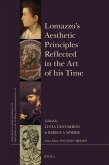
 Lomazzo's Aesthetic Principles Reflected in the Art of His Time156,99 €
 The Story of Looking19,99 €
![The Philosophy of Andy Warhol [50th Anniversary Edition]](https://bilder.buecher.de/produkte/73/73850/73850649m.jpg "The Philosophy of Andy Warhol [50th Anniversary Edition]")

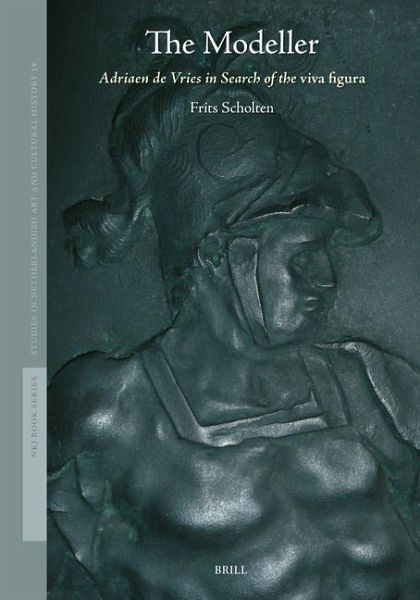
"In these days the most famous modeller" this is how the Dutch sculptor Adriaen de Vries (1556-1626) was characterised in 1621. A virtuoso modeller, De Vries explored new ways to enliven his art. His bronze sculptures were made in a radically new, sketchy style, with free figure compositions and a vigorous treatment of human anatomy, often balancing on the border between realism and distortion. This book explores how and why a Late-Renaissance sculptor broke so drastically with the prevailing stylistic paradigm of his time, in search of vivezza, natural liveliness, and the viva figura, the statue on the brink of coming to life. Adriaen de Vries aimed to create sculptures that move in the metaphorical no-man's land between death and life, back and forth from inert bronze to apparent vitality, as this study will argue.