
Andere Kunden interessierten sich auch für
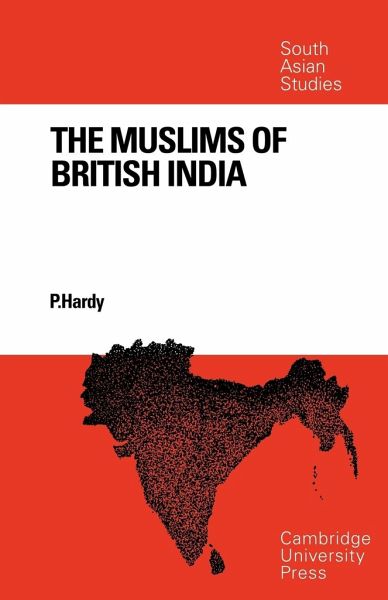
 Muslims and the State in Britain, France, and Germany87,99 €
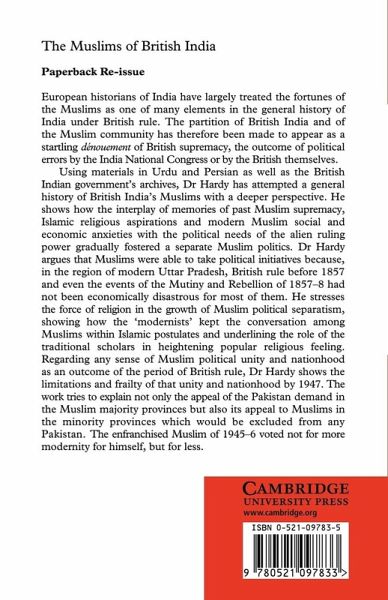
 British Muslims under the Influence of Globalization and Migration17,95 €
 Muslims in India Since 1947169,99 €
 Muslims in the West75,99 €
 The Gate to China26,99 €
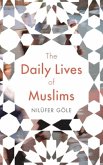
 The Daily Lives of Muslims105,99 €
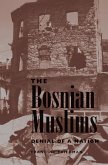
 The Bosnian Muslims168,99 €
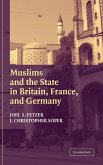
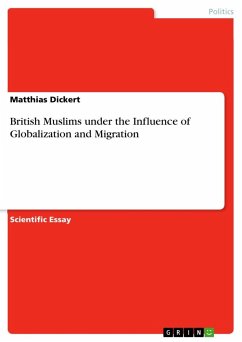
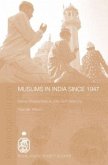


Dr Hardy has attempted a general history of British India's Muslims with a deeper perspective. He shows how the interplay of memories of past Muslim supremacy, Islamic religious aspirations and modern Muslim social and economic anxieties with the political needs of the alien ruling power gradually fostered a separate Muslim politics. Dr Hardy argues (contrary to the usual view) that Muslims were able to take political initiatives because, in the region of modern Uttar Pradesh, British rule before 1857 and even the events of the Mutiny and Rebellion of 1857-8 had not been economically disastrous for most of them. He stresses the force of religion in the growth of Muslim political separatism, showing how the 'modernists' kept the conversation among Muslims within Islamic postulates and underlining the role of the traditional scholars in heightening popular religious feeling. Regarding any sense of Muslim political unity and nationhood as an outcome of the period of British rule, Dr Hardy shows the limitations and frailty of that unity and nationhood by 1947.