
Andere Kunden interessierten sich auch für
 The Narcotic Drug Diseases and Allied Ailments: Pathology, Pathogenesis, and Treatment26,99 €
 Prostate! Prostate! Prostate! A Problem of Men32,99 €
 Sex, Diet and Tanning: The Curious Story of the Drug to Induce a Natural Tan Including All You Ever Wanted to Know About Tanning12,99 €
 Year Book of the Oil, Paint, and Drug Reporter23,99 €
 Drug Delivery to the Lung83,99 €
 Handbook of the Medical Consequences of Alcohol and Drug Abuse136,99 €
 The Problem Of Typhoid Fever In The United States14,99 €


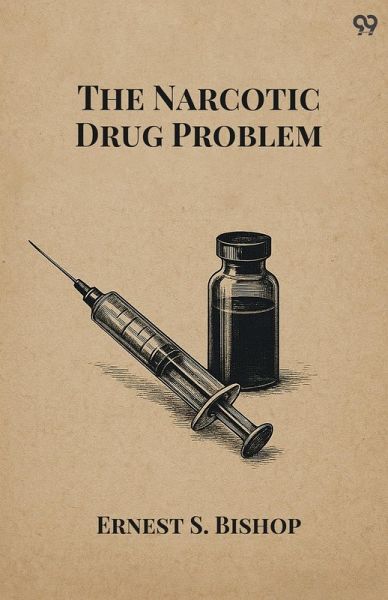
The narcotic drug problem is a scientific work addressing narcotic addiction as a physical disease rather than a moral failing. The author draws from clinical experience to argue that addiction should be seen through a medical lens, focusing on its physiological realities. The opening of the text reveals the author's initial misconceptions about addicts, which are later challenged by a deeper understanding of addiction's medical aspects. The narrative critiques previous treatment approaches, urging a paradigm shift toward recognizing addiction as a complex physical condition. This work highlights the suffering of narcotic addicts, emphasizing their need for empathy and medical intervention rather than judgment. The author stresses the importance of shifting public perception and medical practice to focus on addiction s physiological nature, arguing that many addicts are victims of a serious health issue rather than moral weakness. The publication aims to raise awareness, ultimately advocating for more effective treatments that can alleviate the societal burden of addiction and provide a compassionate, science-based approach to its management.