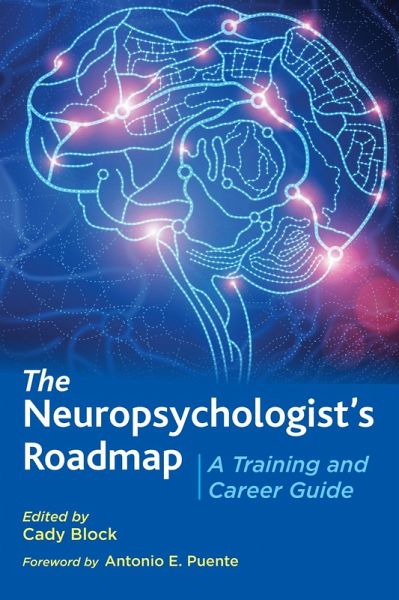
Expert contributors offer a step-by-step guide to launching a neuropsychology career by covering graduate admissions, internships, fellowships, licensure, and job searches. The text also delves into teaching, supervision, research, ethics, diversity, advocacy, mentorship, and workâ life integration.
Expert contributors offer a step-by-step guide to launching a neuropsychology career by covering graduate admissions, internships, fellowships, licensure, and job searches. The text also delves into teaching, supervision, research, ethics, diversity, advocacy, mentorship, and workâ life integration.
Cady Block, PhD, is an assistant professor and neuropsychologist in the Department of Neurology at Emory. Dr. Block amp rsquo s doctoral, internship, and fellowship training all included emphases in clinical neuropsychology, comprising a PhD at the University of Alabama at Birmingham, internship at the University of Oklahoma Health Sciences Center, and postdoctoral fellowship at Baylor College of Medicine. She has a number of published peer-reviewed articles related to the training ,education, and practice of clinical neuropsychology in national journals, and has served in a variety of leadership roles in national and international neuropsychological societies.
Inhaltsangabe
Contributors Foreword. What It Means to Be a Neuropsychologist in an Evolving Field Antonio E. Puente Acknowledgments Introduction. On Becoming a Neuropsychologist Cady Block Part I: Timeline for Training and Career Entry in Neuropsychology Chapter 1. Applying and Getting Into Graduate School Julie Suhr, Steven Paul Woods, Claire Alexander, and Michelle Babicz Chapter 2. Preparing for and Obtaining a Predoctoral Internship in Neuropsychology Emily Kellogg, Brittany Cerbone, Laura Kenealy, and Robert Collins Chapter 3. Preparing for and Obtaining a Postdoctoral Fellowship Douglas Bodin Chapter 4. Professional Licensure and Credentialing Joseph Ackerson and Cady Block Chapter 5. Board Certification in Neuropsychology Christopher Grote, Jason R. Soble, and Adeline León Chapter 6. Finding a Job: Clinical Careers in Neuropsychology Heather G. Belanger, Jason R. Soble, Edward Peck III, Patrick Armistead-Jehle, Mark Barisa, Lucien Roberts III, and Mike R. Schoenberg Chapter 7. Finding a Job: Research Careers in Neuropsychology Yana Suchy and Matthew J. Euler Part II: Foundational Competencies in Neuropsychology Chapter 8. Training, Education, and Competencies in Neuropsychology Brad Roper and Scott Sperling Chapter 9. Classroom Teaching and Clinical Supervision Competencies Leslie Guidotti Breting and Douglas M. Whiteside Chapter 10. Consultation, Assessment, and Intervention Competencies Amy Heffelfinger and Julie Janecek Chapter 11. Neuroanatomy Training and Competencies Michael Parsons and Cady Block Chapter 12. Research Development and Dissemination Competencies Derin Cobia, Dalin Pulsipher, and Cady Block Chapter 13. Research Awards and Grantsmanship Competencies Stephanie Kielb and Cady Block Chapter 14. Ethics, Legal Standards, and Policy in Neuropsychology Dede Ukueberuwa, Christopher Nguyen, and Daniel Tranel Chapter 15. Individual and Cultural Diversity Competencies Christopher Nguyen, Octavio Santos, and Daryl Fujii Chapter 16. Self-Care and Work–Life Integration Competencies Laura Flashman and Robin Hilsabeck Chapter 17. Mentorship in Clinical Neuropsychology C. Munro Cullum, Shawn McClintock, and Laura Lacritz Chapter 18. Interdisciplinary Science, Practice, and Education Competencies
Joanne Festa and Christina A. Palmese Chapter 19. Leadership Development Competencies Cynthia S. Kubu Chapter 20. Advocacy Competencies Scott A. Sperling, Beth C. Arredondo, Stephanie D. Bajo, and Lucas D. Driskell Index About the Editor
Contributors Foreword. What It Means to Be a Neuropsychologist in an Evolving Field Antonio E. Puente Acknowledgments Introduction. On Becoming a Neuropsychologist Cady Block Part I: Timeline for Training and Career Entry in Neuropsychology Chapter 1. Applying and Getting Into Graduate School Julie Suhr, Steven Paul Woods, Claire Alexander, and Michelle Babicz Chapter 2. Preparing for and Obtaining a Predoctoral Internship in Neuropsychology Emily Kellogg, Brittany Cerbone, Laura Kenealy, and Robert Collins Chapter 3. Preparing for and Obtaining a Postdoctoral Fellowship Douglas Bodin Chapter 4. Professional Licensure and Credentialing Joseph Ackerson and Cady Block Chapter 5. Board Certification in Neuropsychology Christopher Grote, Jason R. Soble, and Adeline León Chapter 6. Finding a Job: Clinical Careers in Neuropsychology Heather G. Belanger, Jason R. Soble, Edward Peck III, Patrick Armistead-Jehle, Mark Barisa, Lucien Roberts III, and Mike R. Schoenberg Chapter 7. Finding a Job: Research Careers in Neuropsychology Yana Suchy and Matthew J. Euler Part II: Foundational Competencies in Neuropsychology Chapter 8. Training, Education, and Competencies in Neuropsychology Brad Roper and Scott Sperling Chapter 9. Classroom Teaching and Clinical Supervision Competencies Leslie Guidotti Breting and Douglas M. Whiteside Chapter 10. Consultation, Assessment, and Intervention Competencies Amy Heffelfinger and Julie Janecek Chapter 11. Neuroanatomy Training and Competencies Michael Parsons and Cady Block Chapter 12. Research Development and Dissemination Competencies Derin Cobia, Dalin Pulsipher, and Cady Block Chapter 13. Research Awards and Grantsmanship Competencies Stephanie Kielb and Cady Block Chapter 14. Ethics, Legal Standards, and Policy in Neuropsychology Dede Ukueberuwa, Christopher Nguyen, and Daniel Tranel Chapter 15. Individual and Cultural Diversity Competencies Christopher Nguyen, Octavio Santos, and Daryl Fujii Chapter 16. Self-Care and Work–Life Integration Competencies Laura Flashman and Robin Hilsabeck Chapter 17. Mentorship in Clinical Neuropsychology C. Munro Cullum, Shawn McClintock, and Laura Lacritz Chapter 18. Interdisciplinary Science, Practice, and Education Competencies
Joanne Festa and Christina A. Palmese Chapter 19. Leadership Development Competencies Cynthia S. Kubu Chapter 20. Advocacy Competencies Scott A. Sperling, Beth C. Arredondo, Stephanie D. Bajo, and Lucas D. Driskell Index About the Editor
Es gelten unsere Allgemeinen Geschäftsbedingungen: www.buecher.de/agb
Impressum
www.buecher.de ist ein Internetauftritt der buecher.de internetstores GmbH
Geschäftsführung: Monica Sawhney | Roland Kölbl | Günter Hilger
Sitz der Gesellschaft: Batheyer Straße 115 - 117, 58099 Hagen
Postanschrift: Bürgermeister-Wegele-Str. 12, 86167 Augsburg
Amtsgericht Hagen HRB 13257
Steuernummer: 321/5800/1497
USt-IdNr: DE450055826