
Andere Kunden interessierten sich auch für
 The Diplomatic Background of the War, 1870-191423,99 €
 Military and Naval Recognition Book: A Handbook on the Organization, Insignia of Rank, and Customs O20,99 €
 Diplomatic Reminiscences Before and During the World War, 1911-191728,99 €
 The Role of the Royal Navy in South America, 1920-197051,99 €
 Nigeria and the the politics of Unreason22,99 €
 The Brazilian Green Book: Consisting of Diplomatic Documents Relating to Brazil's Attitude With Regard to the European War, 1914-191717,99 €
 Lake LBJ and the Rebirth of Kingsland: 1951-1970 Volume 111,99 €



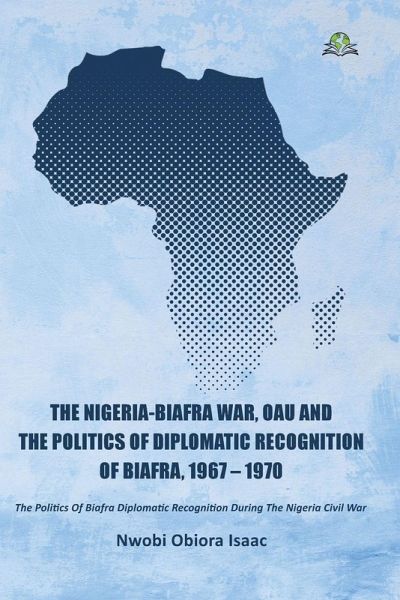
Drawing upon a rich historical methodology that is thematic, chronological, and descriptive, this book delves into one of Africa's most defining conflicts - the Nigeria-Biafra War (1967-1970) - with a particular focus on the Organization of African Unity (OAU) and the politics of recognition extended to Biafra during the Civil War. It explores the factors that motivated four African states to defy the OAU's collective stance by granting de facto recognition to the Biafran regime, examining the nature, dimensions, and far-reaching implications of such actions. Spanning the disciplines of History, International Relations, Political Science, and International Law, this compelling study offers fresh insight into the complex interplay between African diplomacy, national interest, and moral responsibility during a time of continental upheaval. The findings reveal that the recognition of Biafra by four African nations not only prolonged the war but also exposed contradictions within the OAU's charter and Nigeria's internal policy claims. Furthermore, while the blockade and humanitarian crisis galvanized global sympathy for Biafra, the conflict ultimately underscored how power politics and realist interests prevailed over humanitarian ideals. This book is an essential read for scholars, students, and readers seeking to understand the diplomatic dynamics, ideological divides, and moral dilemmas that shaped Africa's response to one of its most tragic wars.