

Andere Kunden interessierten sich auch für
 The Nigger of The Narcissus18,99 €
 The Nigger of the "Narcissus"17,99 €
 The Nigger Of The Narcissus A Tale Of The Forecastle12,99 €
 A Concordance to Conrad's The Nigger of the Narcissus44,99 €
 The Book-Bills of Narcissus15,99 €
 The Nigger Of The Narcissus: A Tale Of The Forecastle14,99 €
 The Nigger of the 'Narcissus' and Other Stories13,99 €






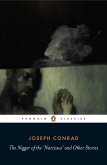
The Nigger of the Narcissus (1897) is a novella by Joseph Conrad that explores themes of race, isolation, duty, and the nature of solidarity aboard a merchant ship. Set on the ship Narcissus during a voyage from Bombay to London, the story follows a West Indian sailor, James Wait, whose illness becomes the focal point for a crisis among the crew. Conrad uses the ship as a microcosm of society, examining how compassion and suspicion vie for dominance as the men confront moral ambiguity and their own instincts for survival. Blending realism with symbolic undertones, this powerful narrative marks a key transition in Conrad's literary career, heralding the stylistic innovations and psychological depth that would define his later works. It is also a profound meditation on human nature and the complex interplay between individual identity and communal responsibility.
Joseph Conrad (3 December 1857 - 3 August 1924) was a Polish-British writer regarded as one of the greatest novelists to write in the English language. Though he did not speak English fluently until his twenties, he was a master prose stylist who brought a non-English sensibility into English literature Conrad wrote stories and novels, many with a nautical setting, that depict trials of the human spirit in the midst of what he saw as an impassive, inscrutable universe Conrad is considered an early modernist, though his works contain elements of 19th-century realism. His narrative style and anti-heroic characters have influenced numerous authors, and many films have been adapted from, or inspired by, his works. Numerous writers and critics have commented that Conrad's fictional works, written largely in the first two decades of the 20th century, seem to have anticipated later world events. Writing near the peak of the British Empire, Conrad drew, among other things, on his native Poland's national experiences and on his own experiences in the French and British merchant navies, to create short stories and novels that reflect aspects of a European-dominated world-including imperialism and colonialism-and that profoundly explore the human psyche.
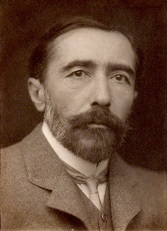
Foto: George Charles Beresford