
Andere Kunden interessierten sich auch für
![The Odyssey [Unabridged Prose version]]( "The Odyssey [Unabridged Prose version]") The Odyssey [Unabridged Prose version]28,99 €
The Odyssey [Unabridged Prose version]28,99 € The Iliad and the Odyssey20,99 €
") The Odyssey (World Classics, Unabridged)20,99 €
The Odyssey (World Classics, Unabridged)20,99 € The Odyssey10,99 €
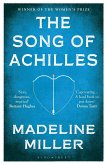
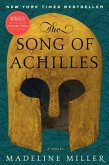
 The Song of Achilles9,49 €
 The Song of Achilles23,99 €
 The Odyssey19,99 €
![The Odyssey [Unabridged Prose version]](https://bilder.buecher.de/produkte/74/74253/74253432m.jpg "The Odyssey [Unabridged Prose version]")
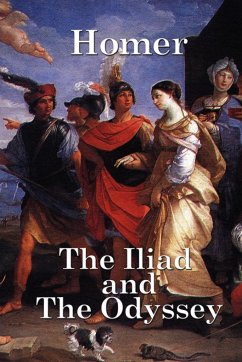

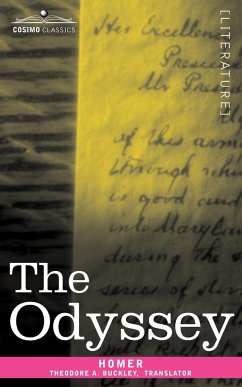
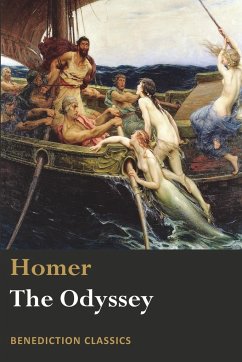
The Odyssey, Homer's epic tale of Odysseus and his ten-year journey home after the Trojan war, is one of the earliest and greatest works of literature. It is a wonderful story that has entranced generations over the last two and a half millennia. The characters and events are well known, and the form - a long journey of discovery and testing - has become a standard device in storytelling. Odysseus is known as "polytropos," a man of many twists and turns and tricks, a man who lives by his wits. As the Greeks leave for Troy, it is Odysseus' cleverness that allows him to find the hero Achilles who is crucial to their victory. Then, after ten years camped outside Troy and the loss of countless lives on both sides, he brings the Trojan war to a dramatic conclusion with the now famous Trojan horse. One expects Odysseus' story to end with his returning home as a hero. Instead, Homer and the fates send him on another ten years of travels. This is the story of the Odyssey. But it is much more than an exciting story; it is also about faithful marital love, and the love of home and country. Aristotle says that while The Iliad is about events, The Odyssey is about character. The word "odyssey" has entered the English language, and many regard The Odyssey as the world's most enduring narrative. Plato called Homer "the teacher of all Greece" and "the leader of Greek culture." Indeed, in the classical age, the Greeks regarded the Iliad and Odyssey as more than works of literature; they knew much of them by heart, and they valued them not only as symbols of Hellenic unity and heroism but also as sources of moral and even practical instruction. Homer's works have been studied, quoted and translated in every corner of Europe and his influence on the Western imagination is immense. This unabridged prose edition was translated by Samuel Butler, the iconoclastic English author of the Utopian satirical novel Erewhon and the semi-autobiographical novel The Way of All Flesh. The latter was published posthumously as he was afraid to publish it in his lifetime.