Act
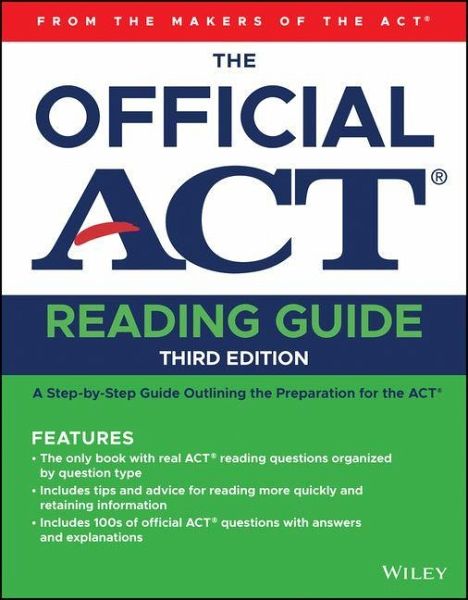
The Official ACT Reading Guide
Versandkostenfrei innerhalb Deutschlands
18,99 €
inkl. MwSt.
Versandkostenfrei*
Erscheint vorauss. 25. Februar 2026
Melden Sie sich
hier
hier
für den Produktalarm an, um über die Verfügbarkeit des Produkts informiert zu werden.
9 °P sammeln
Act
The Official ACT Reading Guide
- Broschiertes Buch
Andere Kunden interessierten sich auch für
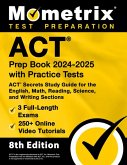
ACT Prep Book 2024-2025 with Practice Tests - 3 Full-Length Exams, 250+ Online Video Tutorials, ACT Secrets Study Guide for the English, Math, Reading, Science, and Writing Sections29,99 €
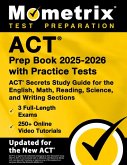
ACT Prep Book 2025-2026 with Practice Tests - 3 Full-Length Exams, 250+ Online Video Tutorials, ACT Secrets Study Guide for the English, Math, Reading, Science, and Writing Sections32,99 €
The University of Chicago: An Official Guide17,99 €
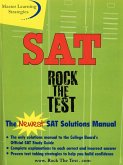
Solutions and Inc Strategic ConceptsThe New SAT Solutions Manual to the College Board's Official Study Guide28,99 €
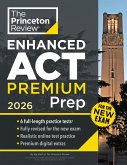
The Princeton ReviewPrinceton Review Enhanced ACT Premium Prep, 202638,99 €
Michael SmithACT Math Test Preparation and study guide17,99 €
Seymour E. PondThe Official Atlas and Directory of Antrim County, Michigan17,99 €-
-
-
Produktdetails
- Verlag: Wiley
- 3rd edition
- Seitenzahl: 400
- Erscheinungstermin: 25. Februar 2026
- Englisch
- ISBN-13: 9781394407385
- ISBN-10: 1394407386
- Artikelnr.: 75233657
- Herstellerkennzeichnung
- Libri GmbH
- Europaallee 1
- 36244 Bad Hersfeld
- gpsr@libri.de
ACT Education Corp. (Iowa City, IA) is a public benefit corporation providing assessment, research, information, and program management services to support education and workforce development. Known most widely as the makers of the ACT exam-the college readiness and placement assessment taken by some 1.8 million high school students each year-ACT produces a number of assessments and services reaching more than 10 million people along the kindergarten through career continuum. ACT's rigorous research informs policy decisions and helps develop programs that boost lifelong learning potential in schools and workplaces around the world. To learn more, visit www.act.org.
Introduction vii
Chapter 1: An Overview of the ACT Reading Test 1
Passage Types 1
Timing and Pacing 3
Checking Your Answers 3
Scaled Scoring 3
Take a Diagnostic Practice Test 4
How to Use This Guide 4
Chapter 2: General Reading Skills 7
Skimming 7
Scanning 15
Speed Reading 16
Annotating 17
Chapter 3: Test-Taking Strategies 19
Invest Most of Your Time in Answering the Questions 20
Invest Your Time in Reading Upfront 20
Save Your Worst Passage for the End 21
Worry Less about Each Individual Answer 22
Vary Your Reading Pace According to the Passage 22
Change the Order of the Passages 22
Read Half the Passage Then Answer Half the Questions 23
Answer the "Easy" Questions First 23
Chapter 4: Question and Answer Types 27
EXCEPT and NOT Questions 27
Common Wrong Answer Types 37
Chapter 5: Skills and Reporting Categories 45
Chapter 6: Key Ideas and Details 47
Main Idea Questions 47
Strategies for Determining the Main Idea for Social Science, Humanities, or
Natural Science Passages 48
Function of Detail Questions 52
Fact Finding 58
Inferences 67
Paraphrasing Complex Ideas 75
Compare and Contrast 76
Questions about Shifts 100
Chapter 7: Craft and Structure 105
Using Context Clues 105
Word-Meaning Questions 106
Vocabulary 118
Interpreting Figurative Language 123
The Author's Point of View 127
The Primary Purpose of the Passage 133
Chapter 8: Integration of Knowledge and Ideas 139
Arguments 141
Reasoning and Evidence 142
Chapter 9: Passage Types 143
Literary Narrative Genre Conventions 143
Social Science and Humanities Genre Conventions 157
Natural Science Genre Conventions 160
Paired Passages 166
Chapter 10: Practice Questions 177
Chapter 11: Answers and Explanations 239
Answer Key 240
Explanatory Answers 242
Chapter 1: An Overview of the ACT Reading Test 1
Passage Types 1
Timing and Pacing 3
Checking Your Answers 3
Scaled Scoring 3
Take a Diagnostic Practice Test 4
How to Use This Guide 4
Chapter 2: General Reading Skills 7
Skimming 7
Scanning 15
Speed Reading 16
Annotating 17
Chapter 3: Test-Taking Strategies 19
Invest Most of Your Time in Answering the Questions 20
Invest Your Time in Reading Upfront 20
Save Your Worst Passage for the End 21
Worry Less about Each Individual Answer 22
Vary Your Reading Pace According to the Passage 22
Change the Order of the Passages 22
Read Half the Passage Then Answer Half the Questions 23
Answer the "Easy" Questions First 23
Chapter 4: Question and Answer Types 27
EXCEPT and NOT Questions 27
Common Wrong Answer Types 37
Chapter 5: Skills and Reporting Categories 45
Chapter 6: Key Ideas and Details 47
Main Idea Questions 47
Strategies for Determining the Main Idea for Social Science, Humanities, or
Natural Science Passages 48
Function of Detail Questions 52
Fact Finding 58
Inferences 67
Paraphrasing Complex Ideas 75
Compare and Contrast 76
Questions about Shifts 100
Chapter 7: Craft and Structure 105
Using Context Clues 105
Word-Meaning Questions 106
Vocabulary 118
Interpreting Figurative Language 123
The Author's Point of View 127
The Primary Purpose of the Passage 133
Chapter 8: Integration of Knowledge and Ideas 139
Arguments 141
Reasoning and Evidence 142
Chapter 9: Passage Types 143
Literary Narrative Genre Conventions 143
Social Science and Humanities Genre Conventions 157
Natural Science Genre Conventions 160
Paired Passages 166
Chapter 10: Practice Questions 177
Chapter 11: Answers and Explanations 239
Answer Key 240
Explanatory Answers 242
Introduction vii
Chapter 1: An Overview of the ACT Reading Test 1
Passage Types 1
Timing and Pacing 3
Checking Your Answers 3
Scaled Scoring 3
Take a Diagnostic Practice Test 4
How to Use This Guide 4
Chapter 2: General Reading Skills 7
Skimming 7
Scanning 15
Speed Reading 16
Annotating 17
Chapter 3: Test-Taking Strategies 19
Invest Most of Your Time in Answering the Questions 20
Invest Your Time in Reading Upfront 20
Save Your Worst Passage for the End 21
Worry Less about Each Individual Answer 22
Vary Your Reading Pace According to the Passage 22
Change the Order of the Passages 22
Read Half the Passage Then Answer Half the Questions 23
Answer the "Easy" Questions First 23
Chapter 4: Question and Answer Types 27
EXCEPT and NOT Questions 27
Common Wrong Answer Types 37
Chapter 5: Skills and Reporting Categories 45
Chapter 6: Key Ideas and Details 47
Main Idea Questions 47
Strategies for Determining the Main Idea for Social Science, Humanities, or
Natural Science Passages 48
Function of Detail Questions 52
Fact Finding 58
Inferences 67
Paraphrasing Complex Ideas 75
Compare and Contrast 76
Questions about Shifts 100
Chapter 7: Craft and Structure 105
Using Context Clues 105
Word-Meaning Questions 106
Vocabulary 118
Interpreting Figurative Language 123
The Author's Point of View 127
The Primary Purpose of the Passage 133
Chapter 8: Integration of Knowledge and Ideas 139
Arguments 141
Reasoning and Evidence 142
Chapter 9: Passage Types 143
Literary Narrative Genre Conventions 143
Social Science and Humanities Genre Conventions 157
Natural Science Genre Conventions 160
Paired Passages 166
Chapter 10: Practice Questions 177
Chapter 11: Answers and Explanations 239
Answer Key 240
Explanatory Answers 242
Chapter 1: An Overview of the ACT Reading Test 1
Passage Types 1
Timing and Pacing 3
Checking Your Answers 3
Scaled Scoring 3
Take a Diagnostic Practice Test 4
How to Use This Guide 4
Chapter 2: General Reading Skills 7
Skimming 7
Scanning 15
Speed Reading 16
Annotating 17
Chapter 3: Test-Taking Strategies 19
Invest Most of Your Time in Answering the Questions 20
Invest Your Time in Reading Upfront 20
Save Your Worst Passage for the End 21
Worry Less about Each Individual Answer 22
Vary Your Reading Pace According to the Passage 22
Change the Order of the Passages 22
Read Half the Passage Then Answer Half the Questions 23
Answer the "Easy" Questions First 23
Chapter 4: Question and Answer Types 27
EXCEPT and NOT Questions 27
Common Wrong Answer Types 37
Chapter 5: Skills and Reporting Categories 45
Chapter 6: Key Ideas and Details 47
Main Idea Questions 47
Strategies for Determining the Main Idea for Social Science, Humanities, or
Natural Science Passages 48
Function of Detail Questions 52
Fact Finding 58
Inferences 67
Paraphrasing Complex Ideas 75
Compare and Contrast 76
Questions about Shifts 100
Chapter 7: Craft and Structure 105
Using Context Clues 105
Word-Meaning Questions 106
Vocabulary 118
Interpreting Figurative Language 123
The Author's Point of View 127
The Primary Purpose of the Passage 133
Chapter 8: Integration of Knowledge and Ideas 139
Arguments 141
Reasoning and Evidence 142
Chapter 9: Passage Types 143
Literary Narrative Genre Conventions 143
Social Science and Humanities Genre Conventions 157
Natural Science Genre Conventions 160
Paired Passages 166
Chapter 10: Practice Questions 177
Chapter 11: Answers and Explanations 239
Answer Key 240
Explanatory Answers 242