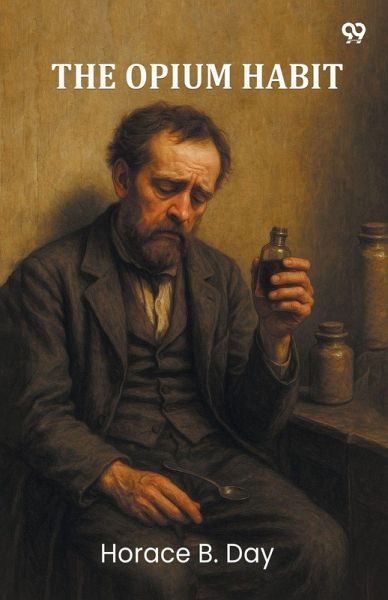
The opium habit confronts the harsh psychological and physical realities of addiction with an unwavering tone of introspection and honesty. The narrative delves into the intricate relationship between dependency and the human will, emphasizing the internal conflict faced by those who seek to overcome a powerful grip on their lives. Through first-hand observation and collected testimonies, the text exposes the depth of suffering endured in silence and the quiet courage required to face withdrawal. Rather than sensationalizing, it frames addiction as a condition deserving compassion and…mehr
The opium habit confronts the harsh psychological and physical realities of addiction with an unwavering tone of introspection and honesty. The narrative delves into the intricate relationship between dependency and the human will, emphasizing the internal conflict faced by those who seek to overcome a powerful grip on their lives. Through first-hand observation and collected testimonies, the text exposes the depth of suffering endured in silence and the quiet courage required to face withdrawal. Rather than sensationalizing, it frames addiction as a condition deserving compassion and understanding, urging readers to recognize the emotional toll and social isolation experienced by those afflicted. The account underscores the slow and often painful journey toward recovery, insisting that hope remains even when physical strength fades. By examining the emotional endurance demanded of those attempting to reclaim control, the book elevates recovery as a moral and personal struggle. It encourages a patient, determined path forward, offering solidarity to readers through its sober insight and unflinching portrayal of weakness, resilience, and eventual clarity.
Horace B. Day was an author known for addressing the psychological and moral dimensions of opium addiction through reflective and practical writing, he contributed significantly to early discussions on substance dependency at a time when addiction was widely misunderstood. Drawing on both personal experience and close observation, Day approached the topic with empathy, aiming to inform and encourage individuals affected by opium use. His work, while grounded in the challenges of his era, remains notable for its introspective tone and its insistence on hope and human resilience. He combined anecdotal evidence with broader social insight, attempting to guide readers through the complex emotional and physical trials of withdrawal. Although not widely recognized in literary circles, his writing had a focused purpose: to offer support and practical reflection to those in need. Through his clear, direct prose and willingness to share uncomfortable truths, Day left a modest but meaningful contribution to American health literature, particularly in the context of 19th-century substance recovery.
Es gelten unsere Allgemeinen Geschäftsbedingungen: www.buecher.de/agb
Impressum
www.buecher.de ist ein Internetauftritt der buecher.de internetstores GmbH
Geschäftsführung: Monica Sawhney | Roland Kölbl | Günter Hilger
Sitz der Gesellschaft: Batheyer Straße 115 - 117, 58099 Hagen
Postanschrift: Bürgermeister-Wegele-Str. 12, 86167 Augsburg
Amtsgericht Hagen HRB 13257
Steuernummer: 321/5800/1497
USt-IdNr: DE450055826