
Andere Kunden interessierten sich auch für
 Teaching in the First Person22,95 €
 Interrupting History39,15 €
 Finding Freedom in the Classroom26,10 €
 Curriculum208,05 €
 Aesthetics, Politics, and Educational Inquiry36,55 €
 Interrupting History137,35 €
 Foucault and Education Primer20,85 €
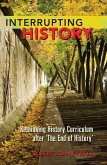
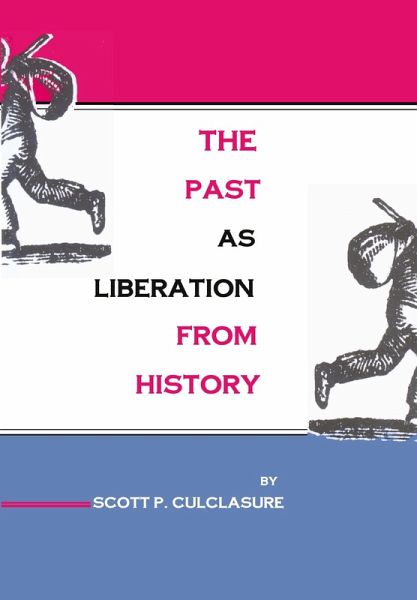
The Past as Liberation from History explores the difference between the social construction we call history and the lived experience we call the past, arguing that by failing to distinguish between the two, we risk unquestionably accepting as authoritative accounts of the past in which we have no voice. It shows that identities rooted in the richness and variety of the past, even when the history is painful, serve the purpose of drawing us closer to one another as we seek to realize our shared dreams of life, liberty, and the pursuit of happiness. By placing in counterpoint broader educational concerns with the teaching experiences of the author, the study also explores this individual's testimony as a teacher seeking to make relevant for his students the examination of the past.
"Scott Culclasure's book brushes history teaching against the grain. He has provided a powerful and eloquent meditation on the emptiness of so much of what passes for history in our schools; its disconnection from the lives of students, its abstractness and blandness. Drawing on his knowledge and experience as both scholar and public schoolteacher, Culclasure offers us a moving exploration of what it means to teach history as cultural memory and as human possibility. He has produced a pedagogic vision that is, at once, Freire, Benjamin, and Dewey. History for Culclasure is a vehicle for students to see how the present world has come to be what it is. It provides them, too, with those 'dangerous memories' through which they may come to see how injustice and inhumanity have been challenged. Most important, it offers students the means to find purpose and identity as they see themselves connected to the hopes and struggles of previous generations. This book should be read by all those who still retain some faith that education has an ethical and social purpose beyond today's concerns with test scores and academic efficiency". (Svi Shapiro, Professor of Education and Cultural Studies, University of North Carolina at Greensboro)