
Andere Kunden interessierten sich auch für
 The Archaeology of the Caucasus153,99 €
 Peopling the Mesolithic in a Northern Environment87,99 €
 Tales from the Caucasus18,99 €
 Cultural paradigms and political change in the Caucasus52,99 €
 The Northwest Caucasus178,99 €
 Culture and Customs of the Caucasus33,99 €
 The Northwest Caucasus70,99 €
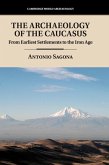
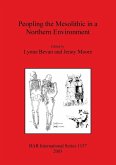

Located at the crossroads of Europe, Asia, and the Middle East, the Caucasus region has played a critical role in the dissemination of languages, ideas, and cultures since prehistoric times. In this study, Aram Yardumian and Theodore Schurr explore the dispersal of human groups in the Caucasus beginning in the Palaeolithic period. Using evidence from archaeology, linguistics, and anthropological genetics, they trace changes in settlement patterns, cultural practices, and genetic variation. Highlighting the region's ecological diversity, natural resources, and agricultural productivity, Yardumian and Schurr reconstruct the timings and likely migration routes for human settlement following the Last Glacial Maximum, as well as the possible connections to regional economies for these expansions. Based on analysis of archaeological site reports, linguistic relationships, and genetic data previously published separately and in different languages, their synthesis of the most up to date evidence opens new vistas into the chronology and human dynamics of the Caucasus' prehistory.