

Andere Kunden interessierten sich auch für
 The Routledge Handbook of Scientific Realism276,99 €
 The Routledge Companion to Philosophy of Social Science322,99 €
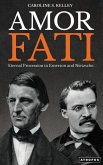
 AMOR FATI28,99 €
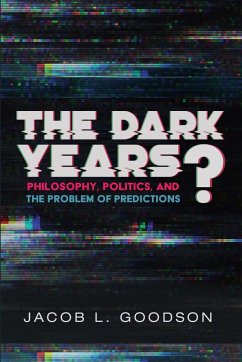
 The Dark Years?21,99 €
 The Russian Mind Since Stalin's Death39,99 €
 The Civilization of China and the Civilizations of the World106,99 €
 Trust: The Tacit Demand76,99 €



On 20 January 1961, 18-year-old George Jackson received an indeterminate sentence, one year to life, that would turn out to be prophetic: he was killed escaping San Quinten Prison a little over 10 years later. The Philosophy of Aggressiveness argues that Jackson's experience reveals philosophical truths that society tries to sweep under the rug, or into prison, through aggression and violence. Despite aggression's ubiquity, it is nevertheless a game of poker, drawing out the necessity of philosophical inquiry. By affirming escape as an alternative to the negativity of escapism, this inquiry forges a zigzag path through the establishment of virtue and vice in the prevailing social paradigm. On 20 January 1961, 18-year-old George Jackson received an indeterminate sentence, one year to life, that would turn out to be prophetic: he was killed escaping San Quinten Prison a little over 10 years later. The Philosophy of Aggressiveness argues that Jackson's experience reveals philosophical truths that society tries to sweep under the rug, or into prison, through aggression and violence. Despite aggression's ubiquity, it is nevertheless a game of poker, drawing out the necessity of philosophical inquiry. By affirming escape as an alternative to the negativity of escapism, this inquiry forges a zigzag path through the establishment of virtue and vice in the prevailing social paradigm. Geoffrey BrodakSilva theorizes at the intersection of games, myth, and radical social change from the Communication Studies department at California State University, Los Angeles. He earned a Ph.D. in Philosophy, Art and Critical Thought from the European Graduate School.