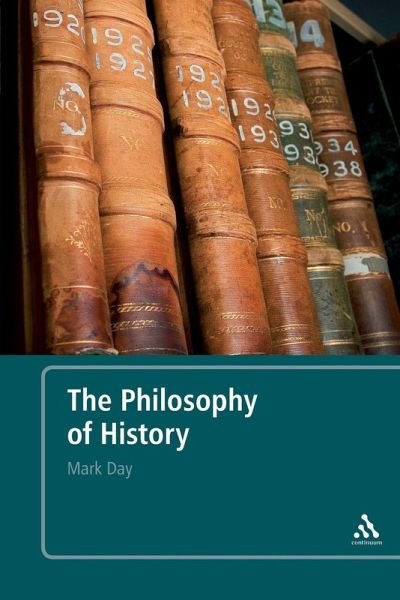
This is the definitive companion to the study of the philosophy of history. It provides an accessible and comprehensive introduction to all the major philosophical concepts, issues and debates raised by history. Ideal for undergraduate students in philosophy and history, the structure and content closely reflect the way the philosophy of history is studied and taught. The book offers a lucid treatment of existing approaches to the philosophy of history and also breaks new ground by extending the major debates in this area of growing philosophical interest. Subjects examined include: the…mehr
This is the definitive companion to the study of the philosophy of history. It provides an accessible and comprehensive introduction to all the major philosophical concepts, issues and debates raised by history. Ideal for undergraduate students in philosophy and history, the structure and content closely reflect the way the philosophy of history is studied and taught. The book offers a lucid treatment of existing approaches to the philosophy of history and also breaks new ground by extending the major debates in this area of growing philosophical interest. Subjects examined include: the centrality of historical language; objections to historical truth and realism; the relationship between the philosophy of history and the philosophy of science; historical interpretation and narrative; philosophical accounts of historical reasoning from the evidence. The text clearly presents and criticizes the arguments of the major philosophers and historians who have contributed to our understanding of the philosophy of history. Mark Day's rigorous analysis is supplemented by useful pedagogical features, including key examples from historical and philosophical writing; summaries of core debates; study questions; and guides to further reading.
Mark Day is Lecturer in Philosophy at Nottingham Trent University, UK.
Inhaltsangabe
Preface Part I: Evidence for the Past Chapter One: An introduction to historical practice 1. The Past in the Present 2. The professionalisation of history 3. Relations with the Past 4. Forms of historical production 5. Further Reading and Study Questions Chapter Two: Historical methodology 1. Scissors and Paste 2. Rules of historical reasoning 3. Peer reviews 4. A philosophical approach to historical reasoning 5. Primary sources 6. Further reading and study questions Chapter Three: Reasoning from the evidence 1. Bayesianism 2. The limitations of Bayesianism 3. Explanation and interference 4. Unwinding the spool 5. Explanatory virtues 6. The preservation of testimony 7. Further reading and study questions Part II: History as Science Chapter Four: Abstraction and laws 1. What's so great about science? 2. Abstraction and quantification 3. Positivism 4. Laws 5. Against universality 6. Rehabilitating causation Further reading and study questions Chapter Five: The Causal sciences 1. Against causation in history 2. Singular causation 3. Causation and contrasts 4. What is historical theory? 5. Justifying historical theories: comparison and contrast 6. Justifying historical theories: explaining how 7. Further reading and study questions Chapter Six: Theory and particular 1. The historian's role 2. A priori argument from particularity 3. Applying in general terms 4. The 'chemical' sciences 5. Combining theories in practice 6. Narrative and theory 7. Interim conclusion: is naturalism the best account of historical practice? 8. Further reading and study questions Part III: History and interpretation Chapter Seven: Feeling and thought 1. Questions in the philosophy of interpretation 2. Empathy 3. Collingwood and re-enactment 4. Living history 5. All history is the history of thought 6. Further reading and study questions Chapter Eight: Actions, reasons and norms 1. Rationality 2. What is it to act rationally? Instrumentality and re-enactment 3. Meaning and society 4. Social norms 5. The Great Cat Massacre 6. Interim conclusion: interpretation and evidence 7. Further reading and study questions Part IV: From Interpretation to Discourse Chapter Nine: Subject and object 1. Historicism 2. Objectivity and evaluation 3. Selection and importance 4. Dialogue Further reading and study questions Chapter Ten: Narrative 1. What are narratives? 2. Narrative and discourse 3. Metahistory 4. Narrative and truth 5. Collective narrative and metanarrative 6. Further reading and study questions Part V: Truth and Reality Chapter Eleven: The absent past 1.Overview: correspondence to reality 2. Overview: anti-realism and justification 3. Beyond statement truth 4. Qualified scepticism: degradation over time 5. Construction of the past 6. Present truth and past truth 7. Further reading and study questions Chapter Twelve: Undetermination 1.Coherence and choice 2. Bayesianism reconsidered 3. Historiographical disagreement 4. Social construction 5. Linguistic Idealism 6.Practical relations to the past 7. Further reading and study questions Conclusion References
Preface Part I: Evidence for the Past Chapter One: An introduction to historical practice 1. The Past in the Present 2. The professionalisation of history 3. Relations with the Past 4. Forms of historical production 5. Further Reading and Study Questions Chapter Two: Historical methodology 1. Scissors and Paste 2. Rules of historical reasoning 3. Peer reviews 4. A philosophical approach to historical reasoning 5. Primary sources 6. Further reading and study questions Chapter Three: Reasoning from the evidence 1. Bayesianism 2. The limitations of Bayesianism 3. Explanation and interference 4. Unwinding the spool 5. Explanatory virtues 6. The preservation of testimony 7. Further reading and study questions Part II: History as Science Chapter Four: Abstraction and laws 1. What's so great about science? 2. Abstraction and quantification 3. Positivism 4. Laws 5. Against universality 6. Rehabilitating causation Further reading and study questions Chapter Five: The Causal sciences 1. Against causation in history 2. Singular causation 3. Causation and contrasts 4. What is historical theory? 5. Justifying historical theories: comparison and contrast 6. Justifying historical theories: explaining how 7. Further reading and study questions Chapter Six: Theory and particular 1. The historian's role 2. A priori argument from particularity 3. Applying in general terms 4. The 'chemical' sciences 5. Combining theories in practice 6. Narrative and theory 7. Interim conclusion: is naturalism the best account of historical practice? 8. Further reading and study questions Part III: History and interpretation Chapter Seven: Feeling and thought 1. Questions in the philosophy of interpretation 2. Empathy 3. Collingwood and re-enactment 4. Living history 5. All history is the history of thought 6. Further reading and study questions Chapter Eight: Actions, reasons and norms 1. Rationality 2. What is it to act rationally? Instrumentality and re-enactment 3. Meaning and society 4. Social norms 5. The Great Cat Massacre 6. Interim conclusion: interpretation and evidence 7. Further reading and study questions Part IV: From Interpretation to Discourse Chapter Nine: Subject and object 1. Historicism 2. Objectivity and evaluation 3. Selection and importance 4. Dialogue Further reading and study questions Chapter Ten: Narrative 1. What are narratives? 2. Narrative and discourse 3. Metahistory 4. Narrative and truth 5. Collective narrative and metanarrative 6. Further reading and study questions Part V: Truth and Reality Chapter Eleven: The absent past 1.Overview: correspondence to reality 2. Overview: anti-realism and justification 3. Beyond statement truth 4. Qualified scepticism: degradation over time 5. Construction of the past 6. Present truth and past truth 7. Further reading and study questions Chapter Twelve: Undetermination 1.Coherence and choice 2. Bayesianism reconsidered 3. Historiographical disagreement 4. Social construction 5. Linguistic Idealism 6.Practical relations to the past 7. Further reading and study questions Conclusion References
Es gelten unsere Allgemeinen Geschäftsbedingungen: www.buecher.de/agb
Impressum
www.buecher.de ist ein Internetauftritt der buecher.de internetstores GmbH
Geschäftsführung: Monica Sawhney | Roland Kölbl | Günter Hilger
Sitz der Gesellschaft: Batheyer Straße 115 - 117, 58099 Hagen
Postanschrift: Bürgermeister-Wegele-Str. 12, 86167 Augsburg
Amtsgericht Hagen HRB 13257
Steuernummer: 321/5800/1497
USt-IdNr: DE450055826