The first known work of Greek theatrical philosophy is Aristotle's Poetics. The concentration on literary theory makes it the first existing philosophical book to do so. Aristotle categorizes poetry into three categories: lyric poetry, epic poetry, and verses theatre. Although the text is widely accepted in the Western critical tradition, there has been a lot of scholarly discussion over it.According to Aristotle, poetry must have five essential elements in order to be considered well-written. Tragic poetry is seen as being superior than epic poetry since it has all of the elements of the…mehr
The first known work of Greek theatrical philosophy is Aristotle's Poetics. The concentration on literary theory makes it the first existing philosophical book to do so. Aristotle categorizes poetry into three categories: lyric poetry, epic poetry, and verses theatre. Although the text is widely accepted in the Western critical tradition, there has been a lot of scholarly discussion over it.According to Aristotle, poetry must have five essential elements in order to be considered well-written. Tragic poetry is seen as being superior than epic poetry since it has all of the elements of the epic, including the usage of the epic meter. Good, relevant, realistic, and consistent characters are a necessary; discovery must take place inside the storyline. The tragic style of poetry is more enjoyable and has a more concentrated impact than one that uses a lot of time to dilute it. A single epic poem can serve as the basis for several tragedies, although imitations of epic poets tend to lack cohesion. Such poetry approximates a knowledge of universals, making it more philosophical than historical.
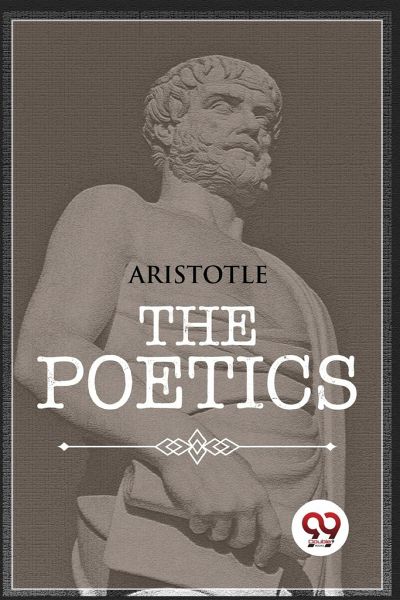
Aristotle (384 - 322 bce) Born in Stagira, in Greece, in 384 bce, Aristotle was a Classical Greek philosopher who wrote on multiple subjects, including and not limited to psychology, politics, ethics, economics, biology, music, theatre, government, and logic. Once in a hierarchy of famous philosophers, he was Plato's student, who was in turn a student of Socrates. Aristotle turned out to be one of the finest scholars of his time and his thoughts and treatises have had a profound effect on scholars ever since. His influence led him to be enlisted by the then king of Macedonia, Philip II, to tutor his son, Alexander, who would go on to become one of the greatest kings and conquerors of all time. Although not all of Aristotle's philosophies and doctrines have survived criticism down the centuries, it must be said that he was a trailblazer in his own right. A polymath who could hold a conversation or debate on any topic, Aristotle's influence is such that his ways of thinking are still implemented in one form or the other to this day. He has been depicted in multiple artworks across the millennia, and is without a doubt one of the cornerstones of philosophy as a discipline.
Es gelten unsere Allgemeinen Geschäftsbedingungen: www.buecher.de/agb
Impressum
www.buecher.de ist ein Internetauftritt der buecher.de internetstores GmbH
Geschäftsführung: Monica Sawhney | Roland Kölbl | Günter Hilger
Sitz der Gesellschaft: Batheyer Straße 115 - 117, 58099 Hagen
Postanschrift: Bürgermeister-Wegele-Str. 12, 86167 Augsburg
Amtsgericht Hagen HRB 13257
Steuernummer: 321/5800/1497
USt-IdNr: DE450055826