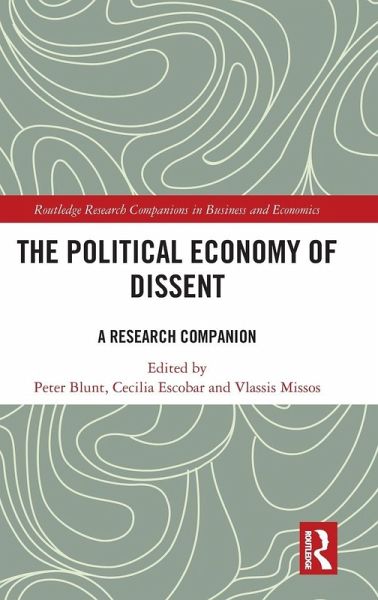
In 2020 Noam Chomsky asserted that the time to panic about the existential threats posed by nuclear war, global warming, and the stifling of informed debate in supposedly open and democratic societies was upon us, and that it was the duty of concerned citizens to act accordingly. Hastened by the lingering aftermath of the 2008 financial crisis, the COVID-19 pandemic, the proxy war in Ukraine, the decline of US economic hegemony, and increasing hostility between the US and China, he concluded in early 2023 that unless the US could be persuaded to cooperate with its declared adversaries and…mehr
In 2020 Noam Chomsky asserted that the time to panic about the existential threats posed by nuclear war, global warming, and the stifling of informed debate in supposedly open and democratic societies was upon us, and that it was the duty of concerned citizens to act accordingly. Hastened by the lingering aftermath of the 2008 financial crisis, the COVID-19 pandemic, the proxy war in Ukraine, the decline of US economic hegemony, and increasing hostility between the US and China, he concluded in early 2023 that unless the US could be persuaded to cooperate with its declared adversaries and capitalism could be overthrown or 'defanged', there was little hope for survival. The authors of this book argue that achieving these ends will depend greatly on effective individual and collective worldwide dissent. The book analyses and exemplifies dissent in the main domains of institutionalised capitalist control and the manufacture of uninformed consent, namely: political economy; education; the media and IT; work and trade unions; the commons and communities; and culture. And thereby gives voice and hope to the downtrodden and marginalised, including indigenous peoples and those of the global south. It provides an uplifting counter to the otherwise seemingly overwhelming expression of uninformed consent, one that will inspire by example and be an antidote to the fear and defeatism instilled by capitalist intransigence, indoctrination, and control. The book is addressed to students, scholars and researchers primarily, but its breadth of coverage, authenticity and plain writing style will appeal to activists, community organisers, and concerned citizens, both in industrialised countries and the global south.
Peter Blunt is Honorary Professor, School of Business, University of New South Wales (Canberra), Australia. Before then, he had held a senior position with the World Bank in Jakarta, Indonesia, and tenured full professorships of management in universities in Australia (Charles Darwin University), Norway (University of Nordland), and the UK (Cardiff University). Cecilia Escobar has worked as a lecturer and researcher for the Department of Economics of the Central American University, El Salvador, and as an independent researcher and consultant. She holds a PhD and an MPhil in Economics and a BA in Archaeology, History, and Literature of Ancient Greece from the University of Athens, a Master in Economic Development from the Carlos III University of Madrid, and a BA in Economics from the Central American University. Vlassis Missos is Research Fellow at the Centre of Planning and Economic Research in Athens, Greece, and a staff member in the Department of Economics at the University of Athens. He has served as a consultant to the General Secretariat of Fiscal Policy at the Greek Ministry of Finance and as a short-term consultant to the Government of Samoa on a development assistance project funded by the Australian Government.
Inhaltsangabe
Introduction Peter Blunt, Cecilia Escobar, and Vlassis Missos 1. Savage Capitalism: From Climate Change to Bank Failures to War David Barsamian and Noam Chomsky 2. The New Geopolitics Jeffrey D. Sachs 3. Dealing with Despair about Global Catastrophe: Agents of Change or 'Sack of Potatoes'? Peter Blunt 4. The West's Reckoning? Michael Brenner 5. Is there, and Can there be, Method to Trump's Madness? Peter Blunt 6. Ukraine, Palestine, Latin America and the Caribbean: The US China Rivalry and Dissent in a Multipolar World Oliver Villar 7. The Aetiology of the 2011 Syrian Crisis: Why the Social Base of the Baath State Rebelled Marwan Kabalan 8. A North American's Reflections on Post WWII Governance in Germany Victor Grossman 9. Gaza and the Zionist Settler Colonial Politics of Genocide Yosefa Loshitzky 10. The United States and Accountability for Extra Territorial Human Rights Violations Gerald Gahima 11. Undersea Internet Cables and Satellite Communication Networks (SATCOM): The New 'Great Game' for the Imperialist Superstructure of the 21st Century Oliver Villar 12. Deep Sea Mining and Geopolitics in the Pacific Pascale Hatcher and Peter Blunt 13. The Search for Climate Justice in Africa Kola Ibrahim 14. The Market Panacea: The Co option of Gender Equality Discourse as Part of Neoliberal Development Selver B. Sahin and Stepan Verkhovets 15. False Realities: Media Opacity in the Age of the Customised Experience Vangelis Chirmpilidis 16. Julian Assange and the US Imperium: Targeting the Information Insurgency Binoy Kampmark 17. Against Managerialism Ronald Purser 18. Precarious Labour: The Case of Filipina Domestic Migrant Workers Susan Reyes Kurdli 19. Social Movements in Argentina: From One Crisis (2001) to Another (2023) Mariano Féliz 20. Building and Sustaining Alliances as a Crucial Strategy for Platform Resistance and Unionisation: The Cases of efood and Wolt in Greece Alexandros Minotakis 21. Popular Culture, Terror Capitalism, and Orientalism Hizer Mir 22. Whatever it Takes Australia's Ruthless Quest for Sovereignty in the Timor Sea Kim McGrath 23. 'Where Are you Really From?': The Politics of 'Pink' in 'Down Under' Capitalism Peter Blunt 24. Postcolonialism and Elite Centric Ways of Explaining the Past Borja Legarra Herrero 25. Explaining the Erasure of Gaza Caroline Sandes 26. Shaking the Superflux: Why Shakespeare Should be Compulsory Reading for Economists Yanis Varoufakis 27. Notes on an Afrocentric Educational Alternative to Human Capital Theory in Africa Aminu Mamman and Jianing Song 28. Academic Job Placement in Post Communist Studies: Politics and Meritocracy Ivan Katchanovski 29. Whom Does the State Serve? The Role of the State in Capitalism Cecilia Escobar
Introduction Peter Blunt, Cecilia Escobar, and Vlassis Missos 1. Savage Capitalism: From Climate Change to Bank Failures to War David Barsamian and Noam Chomsky 2. The New Geopolitics Jeffrey D. Sachs 3. Dealing with Despair about Global Catastrophe: Agents of Change or 'Sack of Potatoes'? Peter Blunt 4. The West's Reckoning? Michael Brenner 5. Is there, and Can there be, Method to Trump's Madness? Peter Blunt 6. Ukraine, Palestine, Latin America and the Caribbean: The US China Rivalry and Dissent in a Multipolar World Oliver Villar 7. The Aetiology of the 2011 Syrian Crisis: Why the Social Base of the Baath State Rebelled Marwan Kabalan 8. A North American's Reflections on Post WWII Governance in Germany Victor Grossman 9. Gaza and the Zionist Settler Colonial Politics of Genocide Yosefa Loshitzky 10. The United States and Accountability for Extra Territorial Human Rights Violations Gerald Gahima 11. Undersea Internet Cables and Satellite Communication Networks (SATCOM): The New 'Great Game' for the Imperialist Superstructure of the 21st Century Oliver Villar 12. Deep Sea Mining and Geopolitics in the Pacific Pascale Hatcher and Peter Blunt 13. The Search for Climate Justice in Africa Kola Ibrahim 14. The Market Panacea: The Co option of Gender Equality Discourse as Part of Neoliberal Development Selver B. Sahin and Stepan Verkhovets 15. False Realities: Media Opacity in the Age of the Customised Experience Vangelis Chirmpilidis 16. Julian Assange and the US Imperium: Targeting the Information Insurgency Binoy Kampmark 17. Against Managerialism Ronald Purser 18. Precarious Labour: The Case of Filipina Domestic Migrant Workers Susan Reyes Kurdli 19. Social Movements in Argentina: From One Crisis (2001) to Another (2023) Mariano Féliz 20. Building and Sustaining Alliances as a Crucial Strategy for Platform Resistance and Unionisation: The Cases of efood and Wolt in Greece Alexandros Minotakis 21. Popular Culture, Terror Capitalism, and Orientalism Hizer Mir 22. Whatever it Takes Australia's Ruthless Quest for Sovereignty in the Timor Sea Kim McGrath 23. 'Where Are you Really From?': The Politics of 'Pink' in 'Down Under' Capitalism Peter Blunt 24. Postcolonialism and Elite Centric Ways of Explaining the Past Borja Legarra Herrero 25. Explaining the Erasure of Gaza Caroline Sandes 26. Shaking the Superflux: Why Shakespeare Should be Compulsory Reading for Economists Yanis Varoufakis 27. Notes on an Afrocentric Educational Alternative to Human Capital Theory in Africa Aminu Mamman and Jianing Song 28. Academic Job Placement in Post Communist Studies: Politics and Meritocracy Ivan Katchanovski 29. Whom Does the State Serve? The Role of the State in Capitalism Cecilia Escobar
Es gelten unsere Allgemeinen Geschäftsbedingungen: www.buecher.de/agb
Impressum
www.buecher.de ist ein Internetauftritt der buecher.de internetstores GmbH
Geschäftsführung: Monica Sawhney | Roland Kölbl | Günter Hilger
Sitz der Gesellschaft: Batheyer Straße 115 - 117, 58099 Hagen
Postanschrift: Bürgermeister-Wegele-Str. 12, 86167 Augsburg
Amtsgericht Hagen HRB 13257
Steuernummer: 321/5800/1497
USt-IdNr: DE450055826