
Andere Kunden interessierten sich auch für
 Living the Christian Story124,99 €
 Breakpoint A True Account of Brainwashing and the Greater Power of the Gospel27,68 €
 The History Of Sacerdotal Celibacy In The Christian Church, Volume 126,99 €
 Priestly Celibacy Exposed: a Lecture Delivered in the Borough Hall, Stockton-upon-Tees, on Wednesday Evening, 11th October, 185414,99 €
 Surviving Celibacy17,99 €
![The Doctrine of Holy Scripture and of the Primitive Church, on the Subject of Religious Celibacy [microform]: With a Vindication of the Early Church F]( "The Doctrine of Holy Scripture and of the Primitive Church, on the Subject of Religious Celibacy [microform]: With a Vindication of the Early Church F") The Doctrine of Holy Scripture and of the Primitive Church, on the Subject of Religious Celibacy [microform]: With a Vindication of the Early Church F22,99 €
The Doctrine of Holy Scripture and of the Primitive Church, on the Subject of Religious Celibacy [microform]: With a Vindication of the Early Church F22,99 € The Inevitable Crimes of Celibacy14,99 €

![The Doctrine of Holy Scripture and of the Primitive Church, on the Subject of Religious Celibacy [microform]: With a Vindication of the Early Church F](https://bilder.buecher.de/produkte/66/66194/66194598m.jpg "The Doctrine of Holy Scripture and of the Primitive Church, on the Subject of Religious Celibacy [microform]: With a Vindication of the Early Church F")

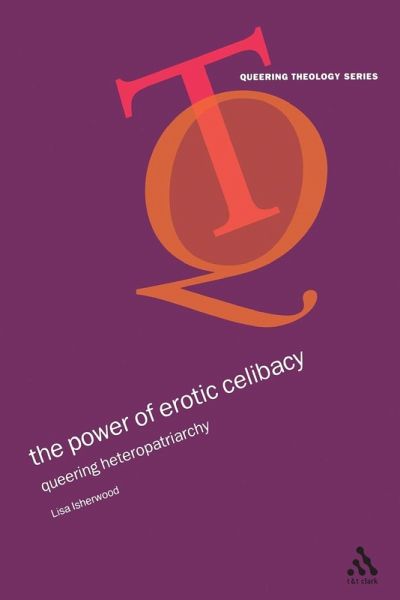
How do we develop a concept of erotic celibacy that is both personally sexually fulfilling and allows the bodies of women to be sites of resistance to patriarchy? How can such a way of living be called queer? Ultimately, Isherwood shows that being erotically celibate challenges patriarchal society, and opens up new theological understanding.
This title considers various issues regarding celibacy and Christianity including the following: how the female body is used to underpin exploitative social systems, how Christianity has tried to control the bodies of women through regulations about the female body, how women have used celibacy to subvert the social order, how radical incarnationalism and queer theory create new challenges to traditional understandings of celibacy, how being erotic and celibate may manifest in social, sexual and political ways. It also explores how being erotically celibate challenges patriarchal society and opens up new theological understanding.
This title considers various issues regarding celibacy and Christianity including the following: how the female body is used to underpin exploitative social systems, how Christianity has tried to control the bodies of women through regulations about the female body, how women have used celibacy to subvert the social order, how radical incarnationalism and queer theory create new challenges to traditional understandings of celibacy, how being erotic and celibate may manifest in social, sexual and political ways. It also explores how being erotically celibate challenges patriarchal society and opens up new theological understanding.