- Broschiertes Buch
- Merkliste
- Auf die Merkliste
- Bewerten Bewerten
- Teilen
- Produkt teilen
- Produkterinnerung
- Produkterinnerung
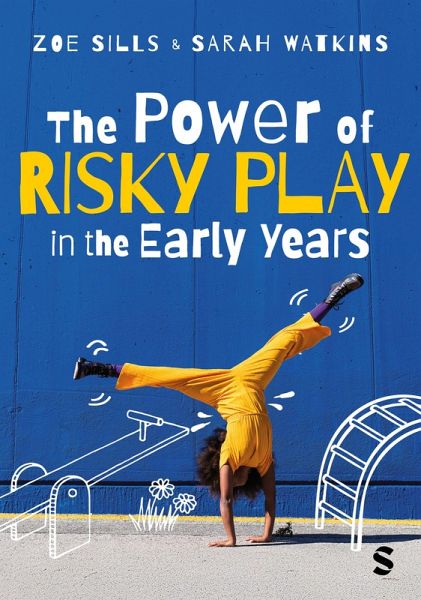
Harness the learning Power of Risky Play in the Early Years.
Andere Kunden interessierten sich auch für
Communication and Language in Early Childhood Today28,99 €
Learning MattersThe Early Years Foundation Stage (EYFS) 202416,99 €
Sue CowleyThe Ultimate Guide to Mark Making in the Early Years31,99 €
Linda MillerPolicy Issues in the Early Years36,99 €
Ute WardWorking with Parents in the Early Years37,99 €
Aaron BradburyA Child Centred EYFS31,99 €
Jonathan GlazzardAssessment for Learning in the Early Years Foundation Stage49,99 €-
-
Produktdetails
- Produktdetails
- Verlag: SAGE Publications Ltd
- Seitenzahl: 192
- Erscheinungstermin: 25. August 2025
- Englisch
- Abmessung: 240mm x 170mm x 14mm
- Gewicht: 342g
- ISBN-13: 9781529685817
- ISBN-10: 1529685818
- Artikelnr.: 73579776
- Herstellerkennzeichnung
- Libri GmbH
- Europaallee 1
- 36244 Bad Hersfeld
- gpsr@libri.de
- Verlag: SAGE Publications Ltd
- Seitenzahl: 192
- Erscheinungstermin: 25. August 2025
- Englisch
- Abmessung: 240mm x 170mm x 14mm
- Gewicht: 342g
- ISBN-13: 9781529685817
- ISBN-10: 1529685818
- Artikelnr.: 73579776
- Herstellerkennzeichnung
- Libri GmbH
- Europaallee 1
- 36244 Bad Hersfeld
- gpsr@libri.de
Zoe Sills is a Forest School leader who delivers training and outdoor learning opportunities as Jackdaw Forest School, as well as working for Play Scotland as an OPAL mentor. Previously, Zoe has been a pastoral leader, secondary and middle school teacher and manager of Early Years settings.
Part one: Exploring 'risky play'
Chapter 1: What is risky play?
Chapter 2: The history of risk in play
Chapter 3: Why does it matter?
Chapter 4: The benefits of risky play
Chapter 5: The rights of the child
Part two: Creating an environment for risky play
Chapter 6: What are we trying to facilitate and foster?
Chapter 7: Things to consider for the physical environment
Chapter 8: Loose parts
Chapter 9: Small spaces and expeditions
Chapter 10: The emotional environment
Chapter 11: Staff development - hearing and supporting staff
Chapter 12: Getting parents on board
Part three: Risky play in practice
Chapter 13: Risk assessment
Chapter 14: Areas that are most often asked about
Chapter 15: Observation and adaptation
Chapter 16: Rules and boundaries
Chapter 17: Why does discrimination in play matter?
Chapter 18: The role of the adult

Chapter 1: What is risky play?
Chapter 2: The history of risk in play
Chapter 3: Why does it matter?
Chapter 4: The benefits of risky play
Chapter 5: The rights of the child
Part two: Creating an environment for risky play
Chapter 6: What are we trying to facilitate and foster?
Chapter 7: Things to consider for the physical environment
Chapter 8: Loose parts
Chapter 9: Small spaces and expeditions
Chapter 10: The emotional environment
Chapter 11: Staff development - hearing and supporting staff
Chapter 12: Getting parents on board
Part three: Risky play in practice
Chapter 13: Risk assessment
Chapter 14: Areas that are most often asked about
Chapter 15: Observation and adaptation
Chapter 16: Rules and boundaries
Chapter 17: Why does discrimination in play matter?
Chapter 18: The role of the adult
Part one: Exploring 'risky play'
Chapter 1: What is risky play?
Chapter 2: The history of risk in play
Chapter 3: Why does it matter?
Chapter 4: The benefits of risky play
Chapter 5: The rights of the child
Part two: Creating an environment for risky play
Chapter 6: What are we trying to facilitate and foster?
Chapter 7: Things to consider for the physical environment
Chapter 8: Loose parts
Chapter 9: Small spaces and expeditions
Chapter 10: The emotional environment
Chapter 11: Staff development - hearing and supporting staff
Chapter 12: Getting parents on board
Part three: Risky play in practice
Chapter 13: Risk assessment
Chapter 14: Areas that are most often asked about
Chapter 15: Observation and adaptation
Chapter 16: Rules and boundaries
Chapter 17: Why does discrimination in play matter?
Chapter 18: The role of the adult
Chapter 1: What is risky play?
Chapter 2: The history of risk in play
Chapter 3: Why does it matter?
Chapter 4: The benefits of risky play
Chapter 5: The rights of the child
Part two: Creating an environment for risky play
Chapter 6: What are we trying to facilitate and foster?
Chapter 7: Things to consider for the physical environment
Chapter 8: Loose parts
Chapter 9: Small spaces and expeditions
Chapter 10: The emotional environment
Chapter 11: Staff development - hearing and supporting staff
Chapter 12: Getting parents on board
Part three: Risky play in practice
Chapter 13: Risk assessment
Chapter 14: Areas that are most often asked about
Chapter 15: Observation and adaptation
Chapter 16: Rules and boundaries
Chapter 17: Why does discrimination in play matter?
Chapter 18: The role of the adult