
Andere Kunden interessierten sich auch für
 Leader's reliance on types of power to influence their employee in the private sector of Afghanistan42,95 €
 Leadership in Extreme Situations98,99 €
 Leadership in Extreme Situations151,99 €
 Central Asian Women in Leadership129,99 €
 The Leadership Trap32,99 €
 The Power of Habit11,99 €
 The Daily Perils of Executive Life27,99 €







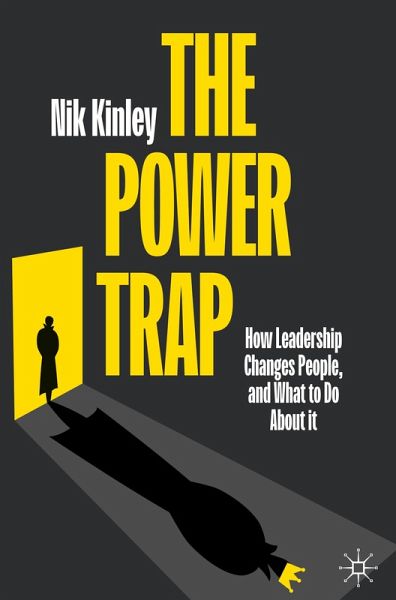
We have an entirely messed-up relationship with power. It is something that almost everyone wants, that promises much and can help us achieve great things. Yet power isn't something we openly talk about or understand, and that s a problem. While power is an essential part of every leadership role, it is also a difficult and sometimes toxic partner that changes everyone who holds it. And often, in ways that make being a good leader much harder.
Approached carefully, however, the worst of power's negative effects can be avoided and balanced by its positives. This book shows you how. It reveals what power does to people, and how it both affects them as leaders and the people they lead. And it shows how, in turn, leaders can affect the positions of power they hold, too.
Incorporating the latest neuroscience, the book offers clear lessons for how to successfully manage power. For leaders, it provides practical advice on how to survive having power, avoiding its worsteffects. For organisations and institutions, it is about how to ensure that the people who have power are equipped and supported to thrive with it. And for us all, as people who choose and follow leaders, it is about how we can identify those most at risk of falling to power's dark side.
Ultimately, this book provides a plan for how we can have a healthier relationship with power, so that as individuals we can be better leaders, and as organisations and societies we can be better led.
Approached carefully, however, the worst of power's negative effects can be avoided and balanced by its positives. This book shows you how. It reveals what power does to people, and how it both affects them as leaders and the people they lead. And it shows how, in turn, leaders can affect the positions of power they hold, too.
Incorporating the latest neuroscience, the book offers clear lessons for how to successfully manage power. For leaders, it provides practical advice on how to survive having power, avoiding its worsteffects. For organisations and institutions, it is about how to ensure that the people who have power are equipped and supported to thrive with it. And for us all, as people who choose and follow leaders, it is about how we can identify those most at risk of falling to power's dark side.
Ultimately, this book provides a plan for how we can have a healthier relationship with power, so that as individuals we can be better leaders, and as organisations and societies we can be better led.